







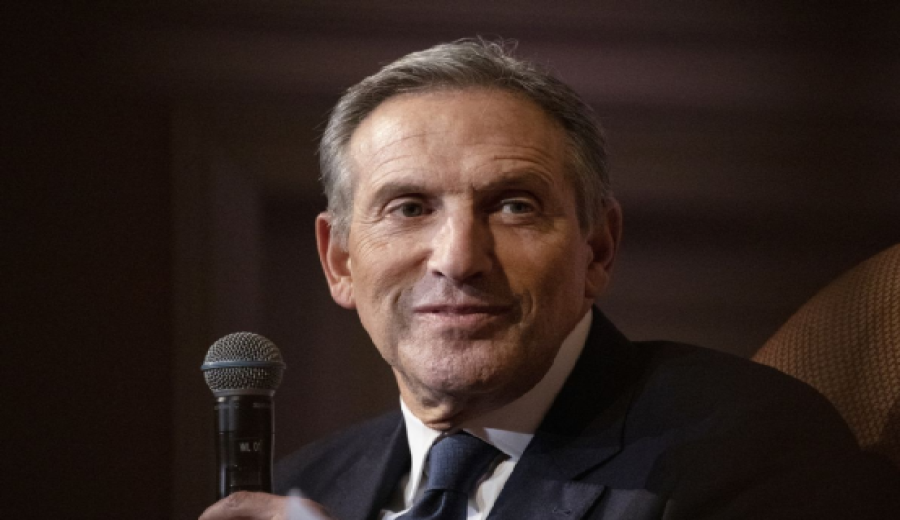
Introduction:Recent leadership changes at Starbucks have drawn significant attention. Current CEO Kevin Johnson has announced his retirement, and the legendary founder Howard Schultz will return in April 2022 to serve as interim CEO. This leader, who once spearheaded the brand’s global expansion, now faces challenges such as turmoil in the Chinese market and labor issues in the United States. This article delves into Schultz’s leadership journey and the pressing operational problems Starbucks must address today.
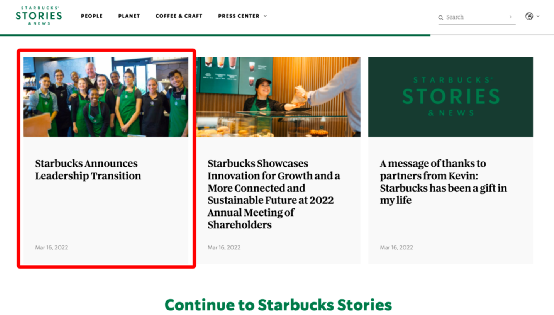
The international coffee chain giant Starbucks recently announced a major personnel change, with current CEO Kevin Johnson stepping down and retiring. The brand’s legendary figure, Howard Schultz, will return on April 4, 2022, to serve as interim CEO until a new candidate is appointed.This is the leader who twice expanded Starbucks from 11 stores to over 28,000 locations across 77 countries.Now, he is making a comeback to tackle a complex set of challenges including expansion bottlenecks in the Chinese market, food safety controversies, and the wave of unionization in the United States.
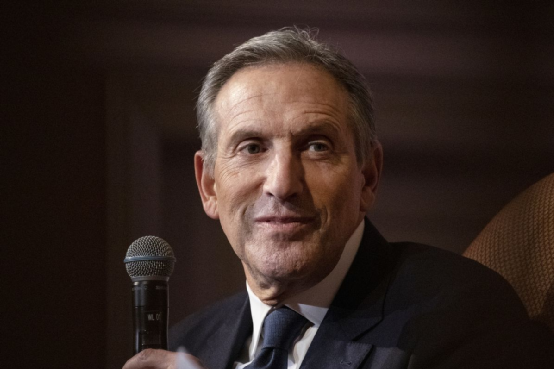
Industry insiders are no strangers to Howard Schultz. The long-time spiritual leader of the brand, who served as its founder, suddenly announced his interim role as CEO just before Starbucks’ annual shareholders meeting on March 16, replacing Kevin Johnson, who had already expressed his intention to retire.Notably, Schultz’s return comes with a symbolic salary of just $1 per year, while retaining full employee benefits.
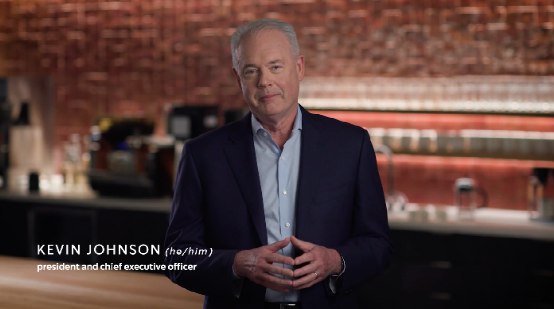
During the pandemic, current CEO Kevin Johnson leveraged his background in the tech industry to successfully drive Starbucks’ digital transformation, accelerating the rollout of takeaway, delivery, and drive-thru services. These moves helped the brand maintain resilience despite the impact of the pandemic.By spring 2021, coffee sales in the U.S. market had fully recovered to pre-pandemic levels, laying a stable foundation for this leadership transition.
At the shareholders meeting, the Starbucks board chair publicly acknowledged Johnson’s contributions in leading the brand through the crisis, and emphasized that Howard Schultz is “entirely qualified to serve as interim CEO.” This personnel decision reflects the board’s cautious assessment of the current business environment — during the transitional period before finding a suitable successor, there is a need for a leader with both strategic vision and crisis management experience.
Looking back at Starbucks’ history, although Howard Schultz was not the brand’s founder (it was founded in 1971 by three academics in Seattle), he was the key figure who turned the brand’s fate around.In 1987, he purchased Starbucks’ retail operations for $3.8 million, when the brand had only 11 stores and a little over a hundred employees in the United States.
During his first tenure as CEO (1987–2000), Schultz reshaped coffee drinking culture with the concept of the “third place,” elevating Starbucks to a global coffee chain exemplar through refined store design and standardized customer service.In 2008, during the financial crisis, he returned to the helm again, leading the brand out of a quality crisis through measures such as store closures and staff retraining.
In this interim role, Schultz must confront three core challenges: operational efficiency and quality control pressures stemming from rapid expansion in the Chinese market in recent years, including last year’s expired ingredient incident and recent store safety controversies; labor disputes in the U.S. market due to staffing shortages, with six stores having voted to unionize and over a hundred petitions pending; and the impact of rising global supply chain costs on profitability.
Bloomberg senior restaurant analyst Michael Halen pointed out:“In the process of seeking a new CEO during a stable transition period, Schultz’s experience and prestige make him the most suitable leadership choice at this stage.”Market observers are generally watching to see whether this leader can clarify the brand’s strategic direction during the transition period and establish a sustainable operational framework for his successor.
It is worth noting that Howard Schultz has not yet publicly revealed his future career plans. His return term will directly influence Starbucks’ development trajectory over the next 3–5 years. From deepening digital transformation, expanding into emerging markets, to reconstructing employee relations, how this architect of the coffee empire resolves the current crises is something to watch closely.
The above content is compiled by CoffeeHunters, a coffee news website.


