







Introduction:Starbucks announced that it will completely eliminate food packaging containing PFAS from all its global stores by the end of 2023, with U.S. stores completing the phase-out even earlier by the end of 2023. This decision not only responds to years of advocacy by environmental groups but also highlights the brand’s commitment to sustainability. This article delves into the potential health and environmental risks of PFAS, Starbucks’ alternatives and challenges, and takes you through the efforts and progress other brands are making in sustainable packaging.
Starbucks recently announced a major sustainability policy: it plans to stop using food packaging containing per- and polyfluoroalkyl substances (PFAS) in all its global stores by the end of 2023. U.S. stores will implement this measure even earlier, by the end of 2023. This policy is a key component of Starbucks’ global sustainable packaging strategy and a positive response to long-standing advocacy by the environmental organization “Toxic-Free Future.”
PFAS are a group of chemicals commonly found in takeout food containers. Due to their excellent oil- and water-resistant properties, they have been widely used in packaging materials such as paper boxes and cups for a long time. However, these chemical components are extremely difficult to break down naturally, can persist in the environment for thousands of years, and may accumulate in living organisms, posing serious threats to human health and ecosystems.
As early as 2020, an international environmental agency released an investigative report indicating that several fast-food brands, including McDonald’s and Burger King, were found to have PFAS in their takeout food packaging. Although the companies subsequently clarified, especially regarding products in the Chinese market, that they did not add such chemicals, the incident still sparked widespread consumer concern about the safety of food packaging.
Research shows that PFAS are closely linked to a variety of health issues, including kidney cancer, testicular cancer, liver and thyroid diseases, as well as potential reproductive dysfunction, pregnancy-induced hypertension, low birth weight in newborns, birth defects, and even impacts on the normal functioning of the immune system. These risks have led more consumers and brands to take seriously the potential hazards of these “forever chemicals.”
Starbucks’ PFAS ban is part of its overall sustainable packaging strategy. In addition to gradually phasing out harmful chemicals, Starbucks is also actively sourcing packaging paper certified by the Forest Stewardship Council (FSC) and continuously optimizing the design of single-use packaging, moving toward a higher proportion of reusable packaging. Currently, Starbucks operates over 34,000 stores globally, including more than 15,000 in the United States, meaning the impact of this policy is extremely broad.
After Starbucks publicly announced this policy, the “Toxic-Free Future” organization quickly issued a statement expressing support and praising Starbucks for taking concrete action to ensure the health and safety of consumers. It is worth noting that Starbucks has previously received the lowest rating (F grade) in retailer chemical safety evaluations multiple times, indicating past challenges in chemical management. This move now symbolizes an important shift in the brand’s direction.
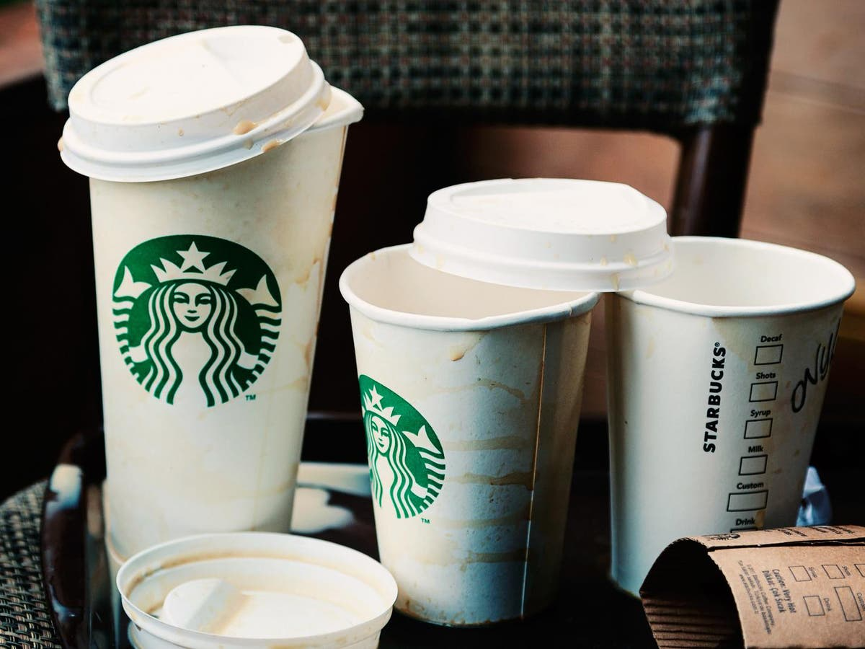
Although PFAS have long been favored by the industry due to their low production costs, with the rise in health and environmental awareness, well-known brands including Starbucks, Tims, and McDonald’s have publicly committed to gradually phasing out these chemicals. However, finding alternative materials that are both cost-effective and offer equivalent functionality is not easy. Currently, some in the industry are considering PBS (polybutylene succinate) as a substitute. While it also offers good oil resistance, its production cost is about five times that of PFAS, presenting a significant challenge for businesses.
Beyond the policy shifts of large chain brands, many small specialty coffee shops are also beginning to promote the habit of bringing one’s own cup to reduce the use of single-use packaging. For consumers, while takeout coffee offers convenience, long-term exposure to packaging materials containing PFAS may pose potential health risks. It is recommended that the public bring their own eco-friendly cups when purchasing coffee out, which can not only reduce plastic pollution but also lower the risk of exposure to harmful chemicals.
Starbucks’ global policy is not only a commitment to environmental protection by the brand but will also set an example for the entire coffee and food delivery industry, prompting more companies to re-evaluate the safety and sustainability of their packaging materials. In the future, we can expect to see more innovative, safe, and environmentally friendly packaging solutions emerge, offering consumers more reassuring choices.
The above content is compiled by CoffeeHunters, a coffee news website.


