







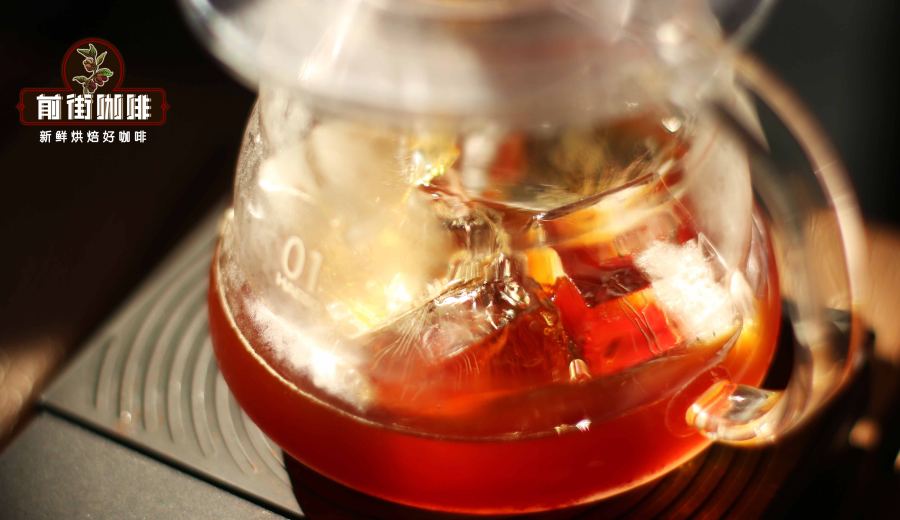
Introduction:Cold brew pour over is actually an "ice-chilled pour over" that rapidly cools the coffee using ice, and it follows a completely different extraction logic compared to regular hot pour over. If you directly apply hot brewing parameters, it often leads to flavor loss and a flat taste. This article will delve into how to adjust the coffee-to-water ratio, grind size, and water temperature, and provide a practical 1:10:5 formula, along with tips on segmented pouring techniques and filter cone selection, to help you make a rich and layered cold brew pour over.
Many people think cold brew pour over is just pouring hot coffee over ice to cool it down, but it’s actually a professional extraction method known as "ice-chilled pour over." The key lies in using ice to rapidly lower the temperature of hot coffee while maintaining its flavor richness. However, if you directly use the conventional hot pour over parameters—such as coffee-to-water ratio, water temperature, and grind size—the final coffee often turns out weak and bland, lacking the desired layers and aromas.
To improve this, the key is to precisely adjust three core parameters: coffee-to-water ratio, grind fineness, and water temperature. These elements determine the extraction yield and concentration of the coffee, which in turn affect the final flavor profile. For cold brew pour over, it’s recommended to use a practical formula of “coffee grounds (fine grind) + 10 parts hot water + 5 parts ice.” This ratio helps retain enough extracted substances while cooling the coffee, resulting in a rich and balanced taste.
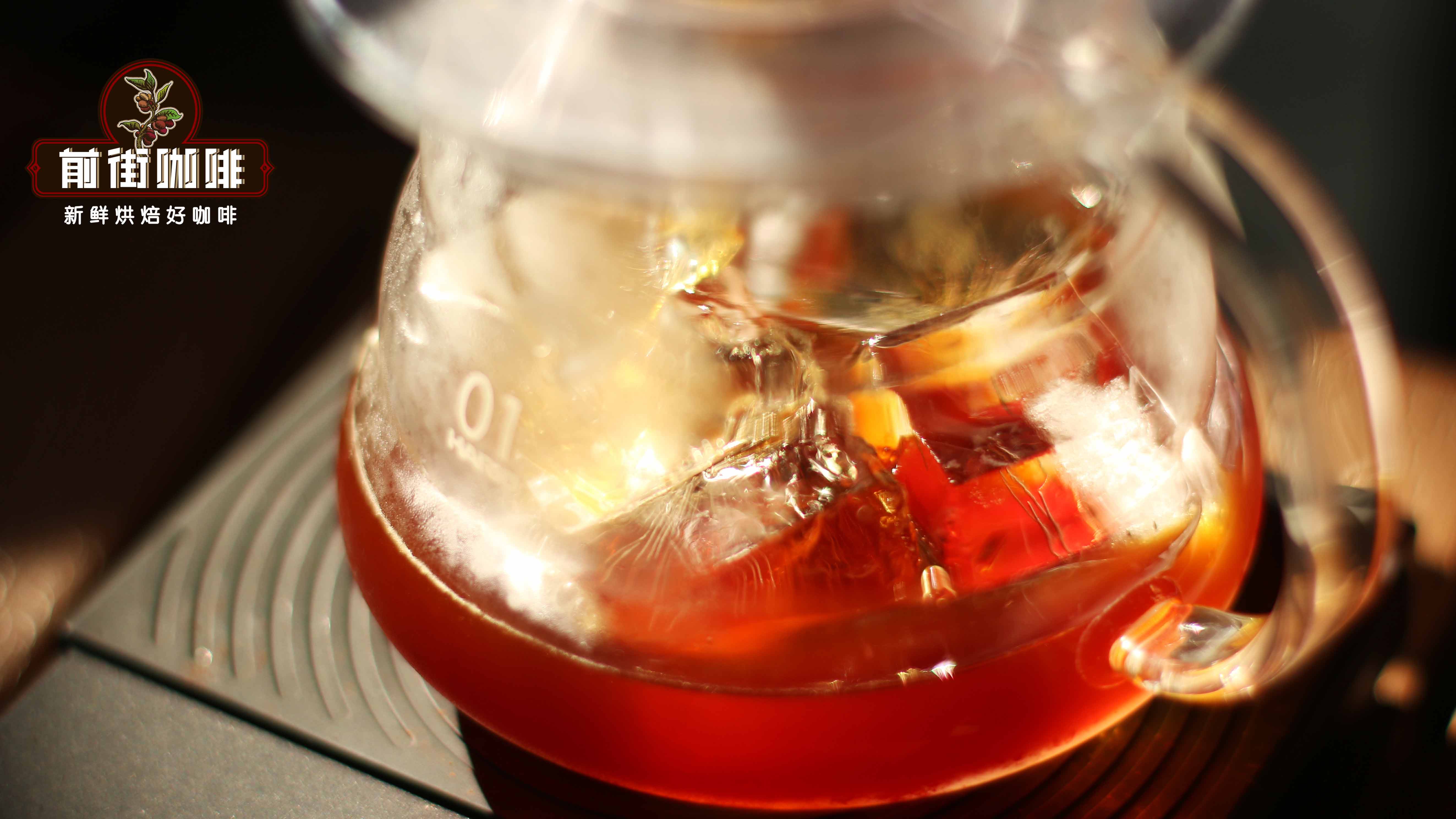
The core idea of cold brew pour over is to first complete the extraction in a way similar to hot pour over, then use ice to rapidly cool it down, thereby locking in the essential aromas and flavor compounds from the hot extraction stage. But unlike drinking hot coffee directly, when coffee is cooled by ice, the perception of acidity, sweetness, and body by the taste buds also changes. Therefore, the initial parameter settings are especially important.
A common mistake is directly applying the hot pour over coffee-to-water ratio to cold brew pour over, such as 1:15 or even 1:16. However, this results in a coffee extraction that is already relatively light, and when diluted further by ice, the final flavor becomes thin. The correct approach is to adjust the coffee-to-water ratio to about 1:10, meaning using 10 milliliters of hot water to extract 1 gram of coffee grounds, and then adding a corresponding amount of ice (about half the volume of the hot water, for example, 100 grams of ice for 150 milliliters of hot water). This way, you can achieve both concentration and a pleasant taste.
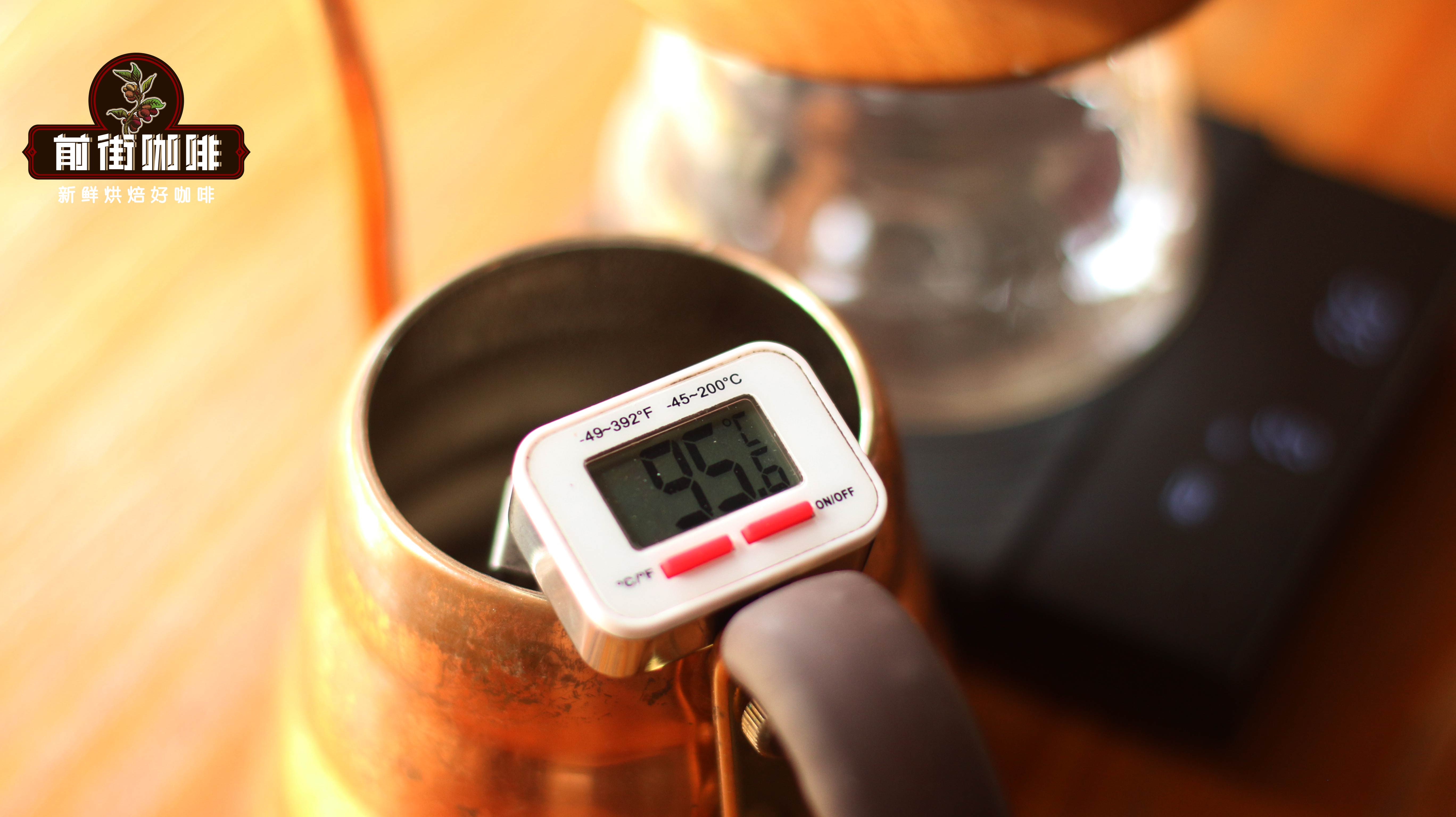
To further optimize the extraction, you can work on both grind size and water temperature. It’s recommended to adjust the grind to be slightly finer than normal pour over, such as setting the EK43s grinder to around 9.5 (approximately 85% passing through a #20 sieve), which increases the surface area of the coffee grounds and allows the hot water to more easily extract flavor compounds. At the same time, the water temperature can be set between 90–92°C, slightly higher than what is typically suggested for cold brew, which helps to effectively increase the extraction rate in a short time and compensate for any aroma or sweetness that might be lost due to reduced water volume.
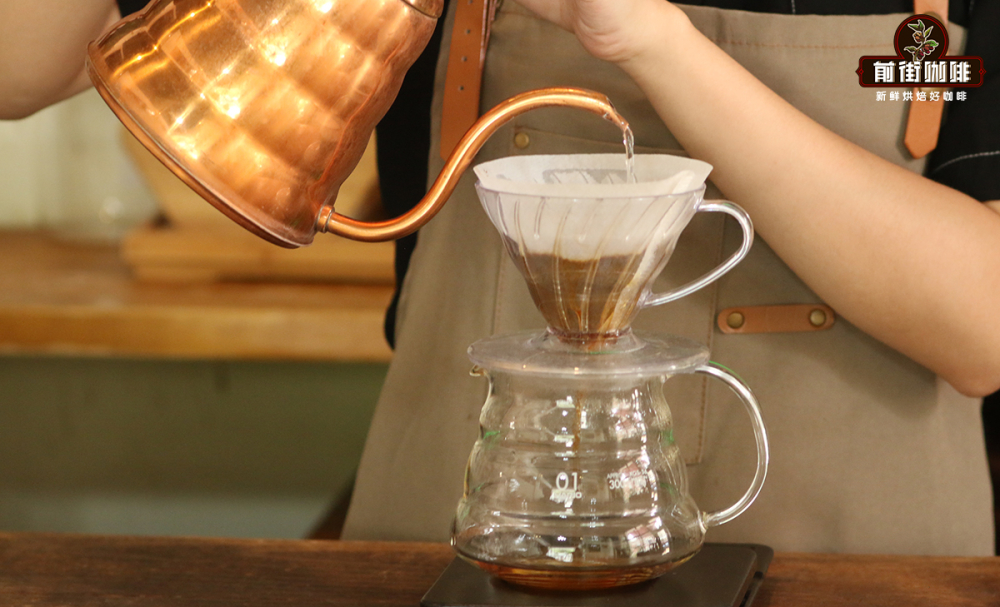
The choice of filter cone also affects the final extraction flavor. If you prefer bright fruit acidity and clear high-pitched tones, it’s recommended to choose a conical filter cone like V60, which has a faster flow rate and clear laminar flow, helping to highlight fruity notes. On the other hand, if you want a rounder taste and a fuller body, you might consider using a flat-bottomed cake filter cone, such as Kalita Wave, which extends the brewing time and enhances even extraction. In addition, it’s recommended to choose large, whole ice cubes and avoid crushed ice to reduce rapid melting when hot coffee is poured in, ensuring a more stable cooling process.
When it comes to choosing coffee beans, light to medium roasted fruity beans are usually the top choice for cold brew pour over, especially those processed via natural, honey, or anaerobic fermentation methods. These processing methods can bring rich tropical fruit, floral, and syrupy sweetness, which perform exceptionally well when chilled. Recommended regions include Ethiopia, Panama, Colombia, and Costa Rica, where beans often exhibit higher acidity brightness and aromatic complexity.
This demonstration uses a natural Ethiopian bean from Bensa town called “Alo Hattesa,” whose flavor profile is dominated by magnolia flower, tropical fruit sweetness, and a candy-like finish. Whether served hot or cold, it exhibits excellent balance. In practice, it’s recommended to use 15 grams of coffee grounds, pour 150 milliliters of hot water, and pair it with 100 grams of ice for rapid cooling. Set the grind size to EK43s scale 9.5 (approximately 85% passing through a #20 sieve), control the water temperature at 92°C, and use a V60 filter cone for a three-stage pour.
First, place the ice in the server, set up the filter cone and filter paper, add the coffee grounds, and then perform a 30-milliliter bloom for about 30 seconds. Next, pour the second stage of 60 milliliters of hot water in a circular motion from the center outward and back to the center. When the water level in the filter cone is nearly gone, proceed to the third stage with another 60 milliliters of water poured in the same manner. The total extraction time is recommended to be controlled between 1 minute 30 seconds and 1 minute 50 seconds, ensuring sufficient release of flavor compounds without over-extraction.
Finally, gently shake the server to allow the ice and coffee liquid to mix thoroughly. Once the temperature drops to a pleasant drinking level by touch, it’s ready to enjoy. The cold brew pour over made this way offers a mouthfeel with the juicy acidity and sweetness of yellow peaches, sweet oranges, dried fruits, and mango, presenting an overall warm yellow stone fruit tone. The stirring adds an extra layer of sweetness, delivering a refreshing grape juice-like drinking experience even at the cool temperature.
The above content is compiled by CoffeeHunters, a coffee news website.


