







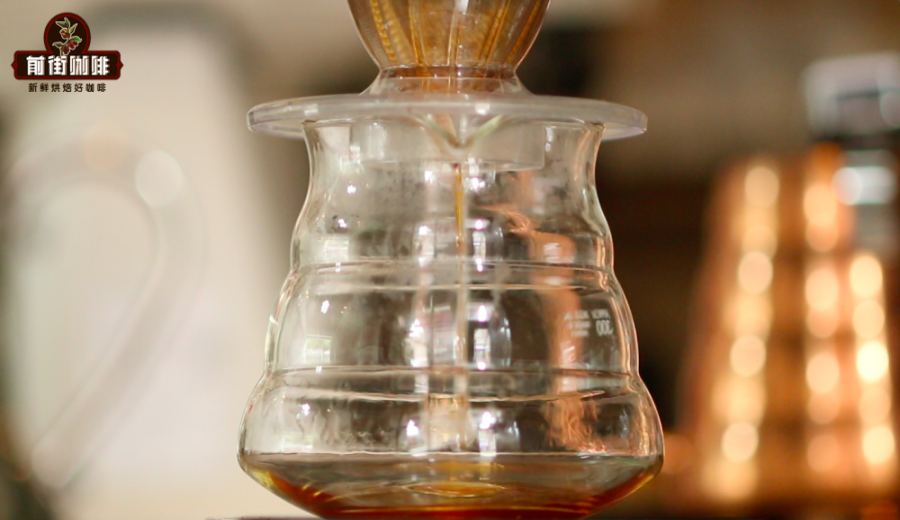
Introduction:Blooming is a crucial step in pour over brewing, but most discussions focus solely on the expansion of the coffee bed while overlooking the fact that the drips collecting beneath the filter can reveal a wealth of important information. This article takes a close look at the dripping phenomenon at the bottom to explain why the recommended blooming water volume is twice the coffee dose, whether it’s normal for excess liquid to flow into the server, and how grind size, roast level, and pouring technique affect blooming performance. It also provides reference drip volumes for both dark and light roasted beans under the condition of 15g coffee and 30ml water, along with practical time markers to help you more accurately assess the blooming stage.
In the pour over process, blooming is not just about “waking up” the coffee grounds—it directly impacts subsequent extraction efficiency and flavor expression. However, most discussions center on changes in the coffee bed above the filter, such as expansion and surface wetting, while few observe what happens below—that is, the coffee that has already dripped into the server. In reality, this liquid can provide key insights during the blooming phase.
It’s generally recommended to use about twice the weight of the coffee dose as blooming water. For beginners, this is a safer and easier standard to follow. For example, when using 15g of coffee, you’d pour around 30ml of water for blooming. This water volume is based on the coffee grounds’ ability to absorb roughly twice their own volume in water, which helps release CO₂ evenly.
However, many people notice in practice that even after pouring the double dose, quite a bit of coffee still drips into the server prematurely. This is actually normal. Since the grind size commonly used in pour over is similar to sugar granules, although the entire coffee bed may appear covered with water, most of it only sits on the surface of the particles, leaving the inside not fully saturated. As a result, some water will pass through the bed faster and start dripping.
So, what factors influence how this liquid drips? First,the grind size of the coffeeis one key element. A finer grind slows down water flow, keeping it in contact with the coffee bed longer and allowing for better saturation of each particle. But if too fine, it can cause pooling, channeling, or even throw off overall extraction balance. On the other hand, a coarser grind helps with degassing and avoids clogging, but the larger gaps between particles allow water to pass through quickly. If the gaps are too large, the bed structure may also become loose or collapse. From below, if using double the water for blooming results in slow drips into the server, it usually indicates a finer grind. Conversely, if the dripping is too fast and there's mid-bed collapse, the grind may be too coarse.
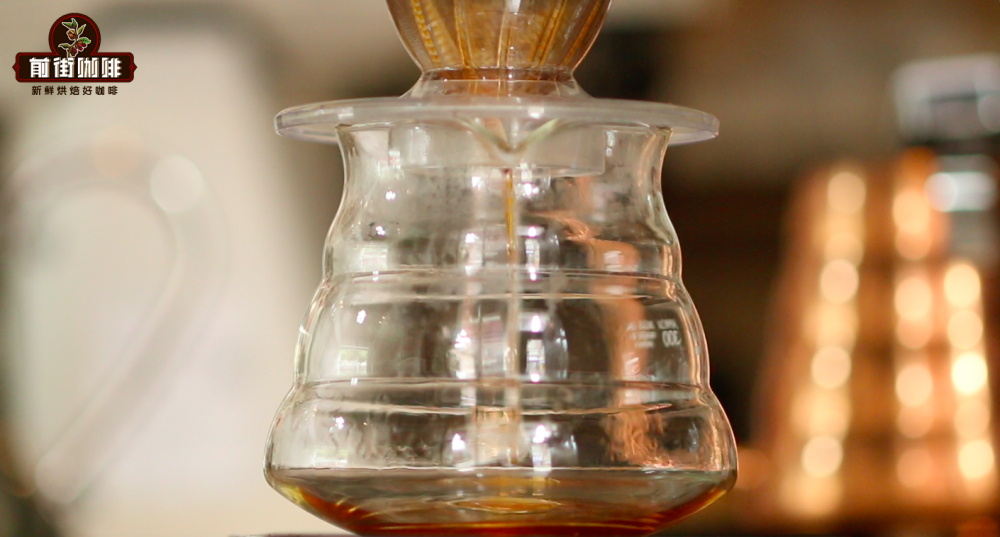
Secondly,the roast level of the coffeealso significantly affects the dripping behavior during blooming. Under the same grind size and pour volume, dark roasted coffee, due to its looser structure, absorbs water more quickly and thus drips less into the server. Light roasted coffee, being denser and slower to absorb, often results in more early-stage dripping. For example, using 15g of coffee and 30ml of water for blooming, dark roasts typically drip around 3–6ml, while light roasts may drip 5–10ml. These figures can serve as useful references during actual brewing.
Additionally,pouring techniqueshould not be overlooked. Pouring mostly around the outer edge of the filter can cause the edges to drain too quickly while the center remains under-saturated. Or, for light roasts with less noticeable expansion, pouring in a small circle may leave surrounding grounds insufficiently wet, also increasing drip volume. Furthermore, accidentally pouring too much—say planning for 30ml but actually pouring 35ml—will obviously increase the amount of liquid dripping during blooming. Therefore, controlling precise pour volume and ensuring even distribution are key techniques for effective blooming.
That said, a small amount of coffee dripping into the server during blooming with double the water is still normal and has limited impact on subsequent extraction. Experienced baristas might opt for a lower water volume to reduce early drips, but for beginners, the double-dose approach is safer, ensuring the coffee bed's surface is properly wetted to promote even degassing and flavor release.
Based on practical experience, a common blooming sequence is: only toward the end of the pour (around the 7-second mark) do you begin to see coffee slowly drip into the server—sometimes even appearing as a thin stream in the first second—followed by a general dripping period that typically lasts until around the 15th to 18th second before gradually stopping. This time range serves as a general reference, not an absolute rule. If you find excessive dripping during blooming, it may be worth revisiting the three main factors discussed above—grind size, roast level, and pouring technique—to identify possible adjustments.
The above content is compiled by CoffeeHunters, a coffee news website.


