







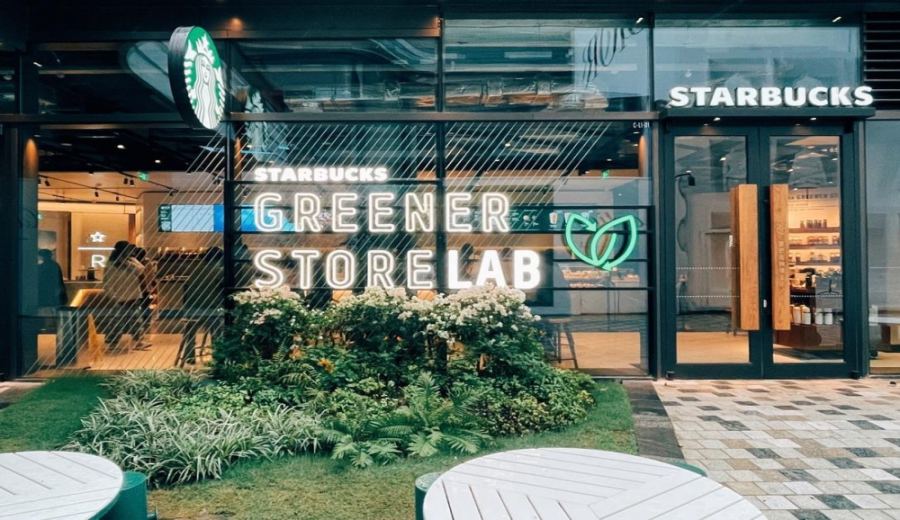
Introduction:In recent years, Starbucks has been actively promoting sustainable operations, with its "Greener Stores" eco-friendly outlets gradually being established worldwide. Following expansions in East China and South China, the first certified store in North China has made its debut in Beijing, offering discounts for purchasing reusable cups and incentives for bringing your own cup. This article delves into the eight environmental standards of Greener Stores, the global rollout progress, and the competitive challenges in the local market, helping readers understand how Starbucks is achieving its sustainability goals through store transformation.
In 2021, marking its 50th anniversary, Starbucks announced an acceleration in the global deployment of eco-friendly stores under the initiative named "Greener Stores." These stores made their first foray outside North America with the opening of the first location in Shanghai, China — a city with extremely fierce coffee competition. Subsequently, similar outlets have been launched in cities such as Suzhou and Shenzhen, showcasing Starbucks’ commitment to sustainable operation.
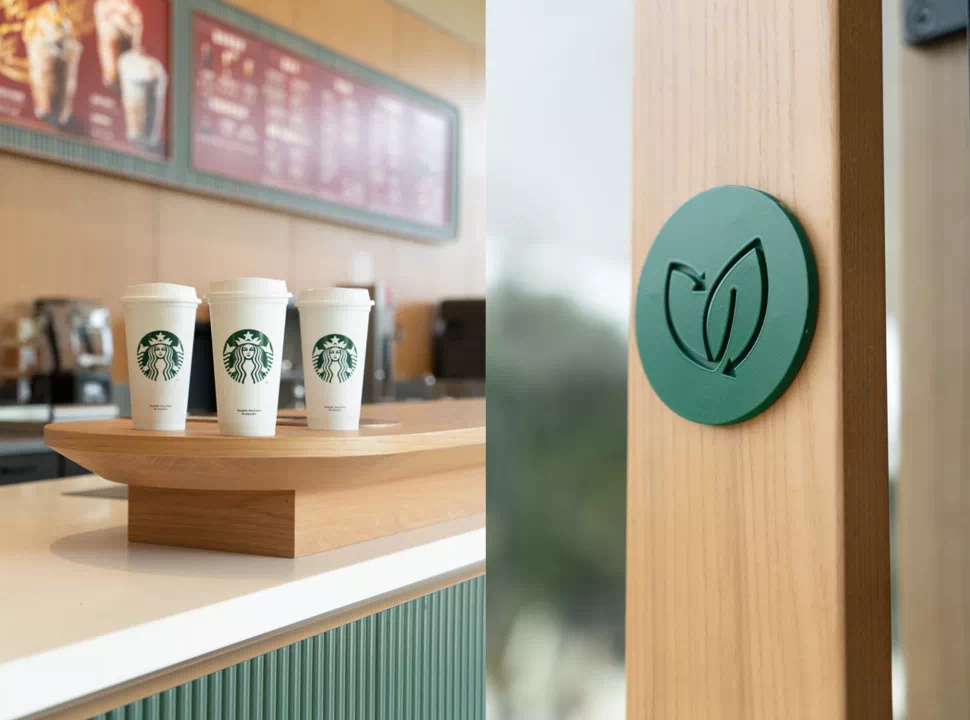
Recently, the first Starbucks store in North China to receive green certification — the CITIC-Prudential Store in Beijing — officially commenced operations. This marks the expansion of the "Greener Stores" certification system from East and South China into the North China market, with more such outlets expected to increase their presence in northern regions in the future. Customers purchasing any pour over or brewed coffee at this store can opt to add a 15-yuan reusable travel cup, which not only helps reduce the use of single-use paper cups but also allows for reuse. Meanwhile, bringing your own cup earns a direct 4-yuan discount per drink, encouraging consumers to participate in environmentally friendly actions.
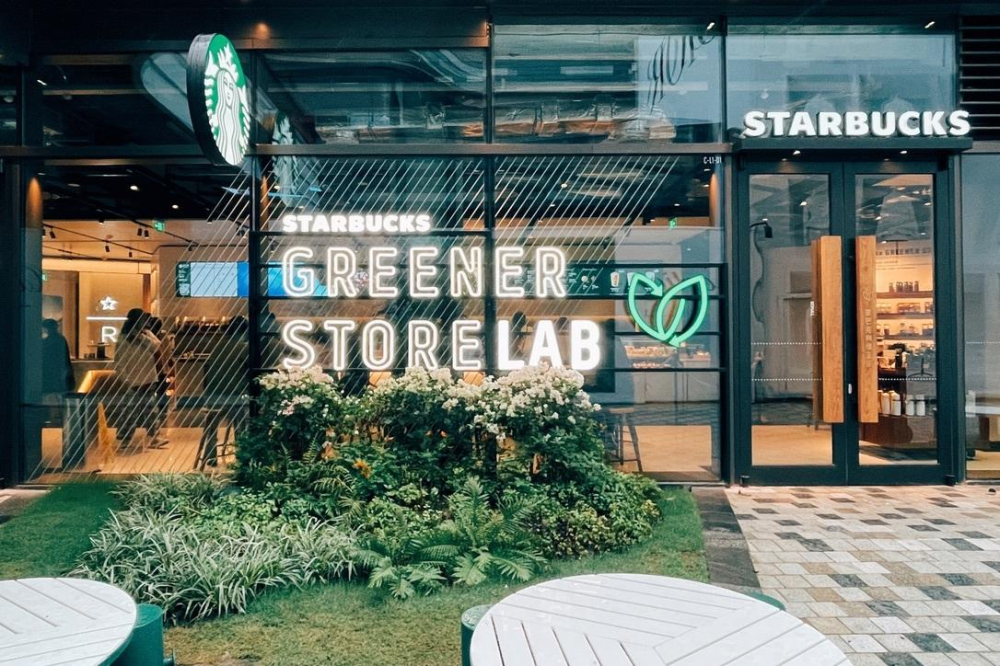
The "Greener Stores" certification system was jointly developed by Starbucks and the World Wildlife Fund (WWF) in 2018. To obtain certification, stores must meet stringent criteria across eight key areas. These include energy management, water conservation, and waste sorting and disposal, with specific requirements such as the exclusive use of high-efficiency, low-energy-consuming electrical equipment, 100% installation of mercury-free LED lighting, the use of low-flow faucets, and the implementation of rigorous waste sorting systems to ensure effective resource reuse and minimize environmental impact.
Even before expanding beyond North America, Starbucks had already operated over 2,300 stores meeting green standards locally. Now, the brand plans to apply the same framework globally, aiming to build or renovate 10,000 "Greener Stores" worldwide by 2025 to achieve large-scale sustainable transformation. In the Chinese market, Starbucks has set a clear target: it plans to open 60 green-certified stores on the mainland within a year and gradually integrate these standards into all new openings as well as the upgrade projects of existing stores.
However, with the rapid rise of domestic coffee brands in China, it remains to be seen whether Starbucks' green strategy can maintain its leading position. For example, Blue Bottle Coffee, hailed as the "Apple of the coffee world," has opened its first Chinese outlet in Shanghai; the local brand SEESAW COFFEE also announced on February 28 that it had completed hundreds of millions of yuan in A++ round funding, signaling intensified market competition. Additionally, Luckin Coffee, often referred to as the "Starbucks of China," has regained strong growth momentum, bringing further market challenges. Against this backdrop, whether Starbucks can continue to attract consumer support with the sustainability philosophy and practical approach of its "Greener Stores" will be key to its future market performance.
The above content is compiled by CoffeeHunters, a coffee news website.


