







Introduction:From the once-popular paper straws to the now highly anticipated PLA and edible straws, the evolution of eco-friendly utensils is not only a technological breakthrough but also a balancing act between user experience and environmental benefits. This article delves into the real reasons behind the withdrawal of paper straws, explores the advantages and limitations of PLA straws, and introduces the innovative progress of new edible straws, helping readers understand the actual performance and future trends of different options.
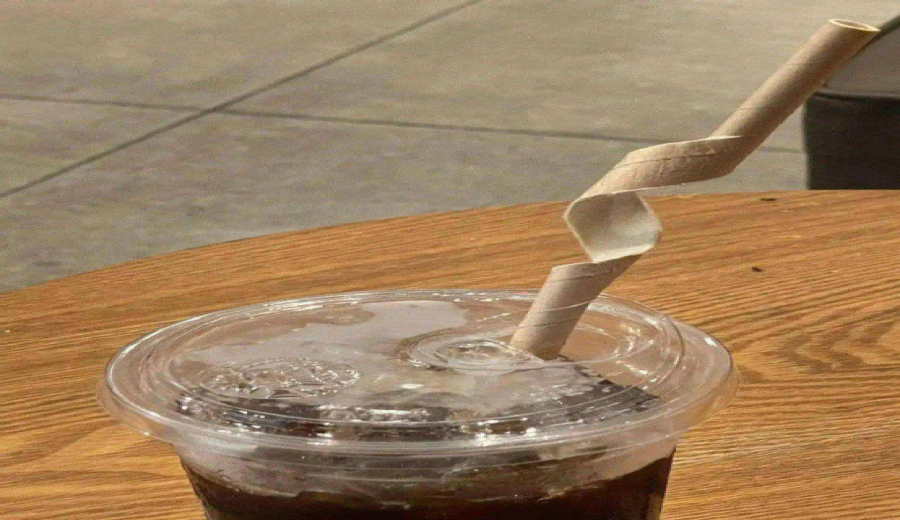
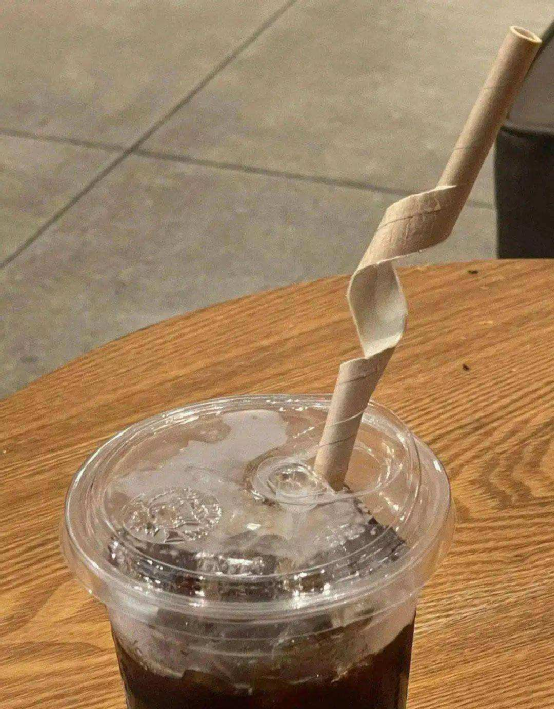
Paper straws once gained popularity under the banner of environmentalism, quickly taking over the straw compartments in beverage shops. However, just over a year later, they gradually exited the market due to poor user experience. Many consumers complained that paper straws softened easily in hot drinks, had an unpleasant texture, and even disintegrated "in the mouth," making them hard to accept. Such feedback turned what was once a highly promising product into a short-lived trend.
As paper straws lost favor, PLA (polylactic acid) straws rose to prominence, becoming the mainstream eco-friendly alternative. Made from plant starches such as corn and cassava, these straws are fully biodegradable and can be used in beverages ranging from -10°C to 70°C, maintaining their quality whether hot or cold. Compared to paper straws, PLA straws outperform in taste and durability, thus winning greater consumer preference.
However, PLA straws also face challenges. Although they are naturally degradable, they have a relatively short shelf life. After being stored for more than a year, their material properties significantly deteriorate, and they can even crumble with a light squeeze. This has led many manufacturers to avoid bulk stockpiling, further driving up production costs. Currently, the unit price of PLA straws is around 0.12 to 0.13 yuan, higher than the 0.07 to 0.08 yuan for paper straws and noticeably more expensive than traditional plastic straws at 0.05 to 0.06 yuan.
Cost pressures and shelf life limitations have created bottlenecks in the widespread adoption of PLA straws. However, as domestic polylactic acid production capacity has increased from 60,000 tons in 2020 to the current 150,000 tons, prices are expected to decrease further in the future, which may open up greater market potential for PLA straws.
Meanwhile, the scientific community is exploring even more environmentally friendly alternatives. A recent development by a Chinese research team is an edible straw based on bacterial cellulose, combined with natural ingredients such as sodium alginate. These straws are not only eco-friendly but can also completely decompose in soil within 60 days. Their strength and toughness are more than twice that of paper straws. Although their taste is ordinary, they are safe, have a longer shelf life, and are comparably priced to PLA straws.
It’s worth noting that whether it’s paper straws, PLA straws, or edible straws, these products still fall under the category of single-use items. To truly reduce environmental impact, the most effective approach is to minimize the use of single-use products at the source.
The above content is compiled by CoffeeHunters, a coffee news website.


