








Introduction:An online video claims that coffee may contain up to 10% cockroach remains, causing unease among many coffee drinkers. In reality, it is nearly impossible to completely avoid insect contamination during food processing, and regulatory authorities in various countries have set reasonable tolerance levels for insect residues. This article clearly explains the legal basis for these regulations, analyzes the impact of coffee roasting on insect residue levels, and offers advice on purchasing pre-ground coffee to help consumers develop a correct understanding.
Recently, a widely circulated and controversial video claimed that commercial coffee may contain up to 10% cockroach content. The news immediately sparked panic among coffee enthusiasts, especially among consumer groups particularly concerned about hygiene standards. However, upon closer investigation, while the claim is somewhat exaggerated, it does reflect a little-known fact: modern food processing indeed cannot guarantee 100% freedom from insect residues.
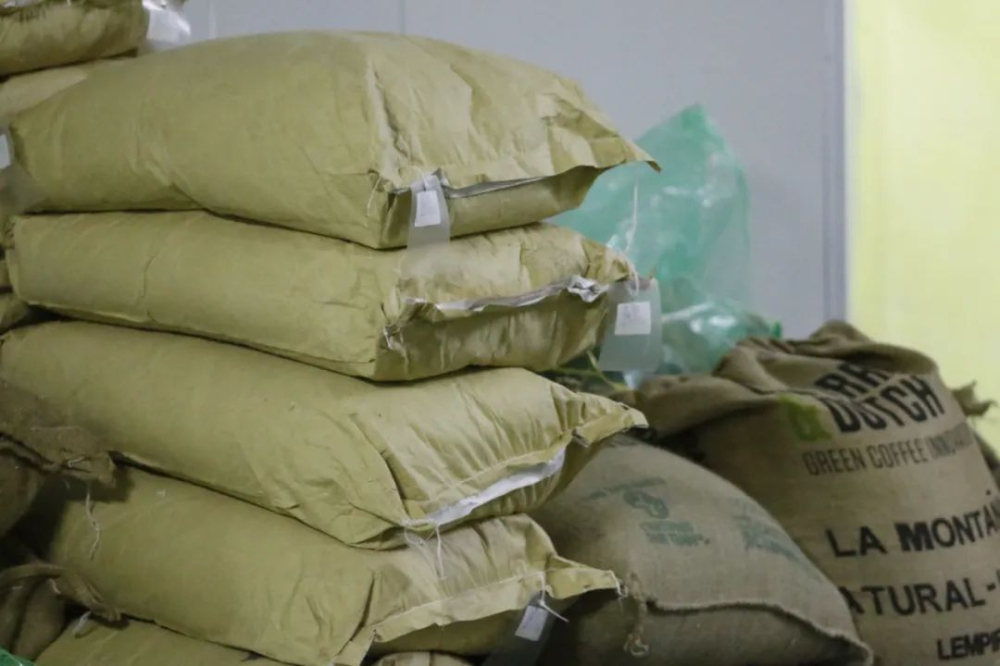
According to the standards set by the Codex Alimentarius Commission (International Food Standards), a variety of foods including coffee have established reasonable tolerance levels for insect residues. These standards are not meant to condone contamination but are scientifically determined limits based on real-world production conditions. For example, during the harvesting, transportation, and storage of coffee beans, it is inevitable that trace amounts of insects may be mixed in. However, after high-temperature roasting, these biological residues are largely rendered inert.

Experts point out that the sustained high temperatures during roasting (typically above 200°C) can effectively break down the protein structures within insects, converting them into harmless carbonized substances. Notably, modern coffee production lines are generally equipped with optical sorting equipment that can automatically remove over 99% of visible foreign matter. However, current technology still struggles to completely filter out tiny insect fragments or eggs.
Regarding the specific issue of cockroaches highlighted in the video, any common insect residues are not directly harmful to healthy individuals.However, for individuals with special sensitivities or allergies to insect proteins,it is recommended to avoid long-term consumption of pre-ground coffee, as the grinding process may make tiny residues more likely to be released into the beverage. Such consumers might consider purchasing whole coffee beans and grinding them themselves, or opting for premium products that have undergone special cleansing processes.
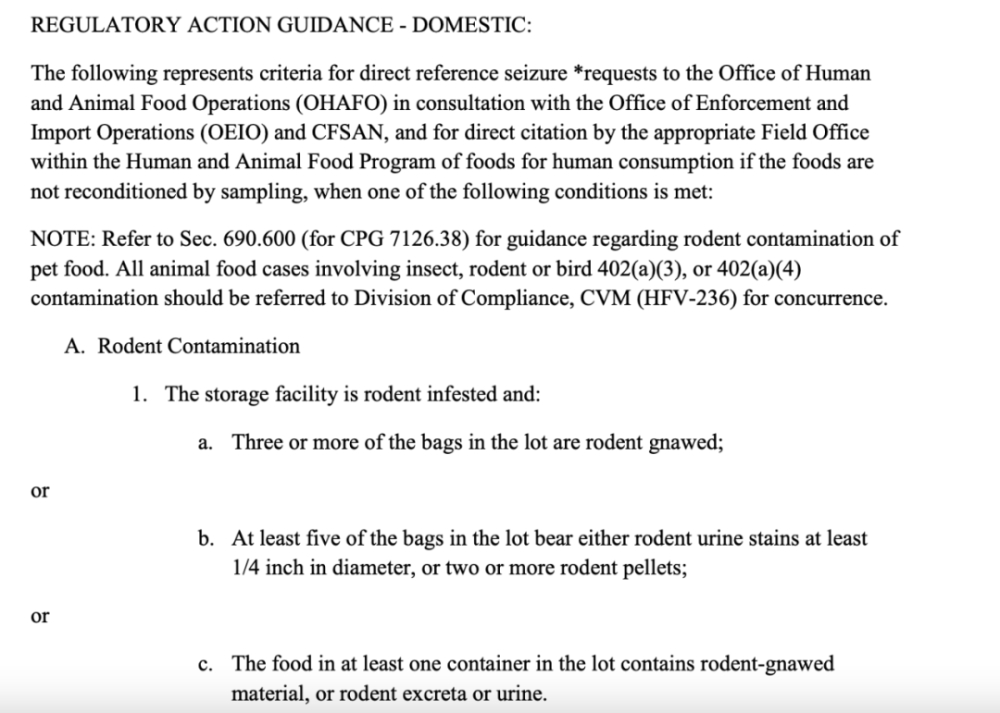
From a regulatory perspective, authorities such as the U.S. FDA and the EU EFSA have established clear Defect Action Levels for food. For example, with coffee beans, the presence of a small number of insect fragments per 100 grams is considered normal. These standards are developed through rigorous risk assessments, taking into account factors such as the biochemical properties of the residues, the ingested dosage, and the extent to which roasting temperatures degrade harmful substances.
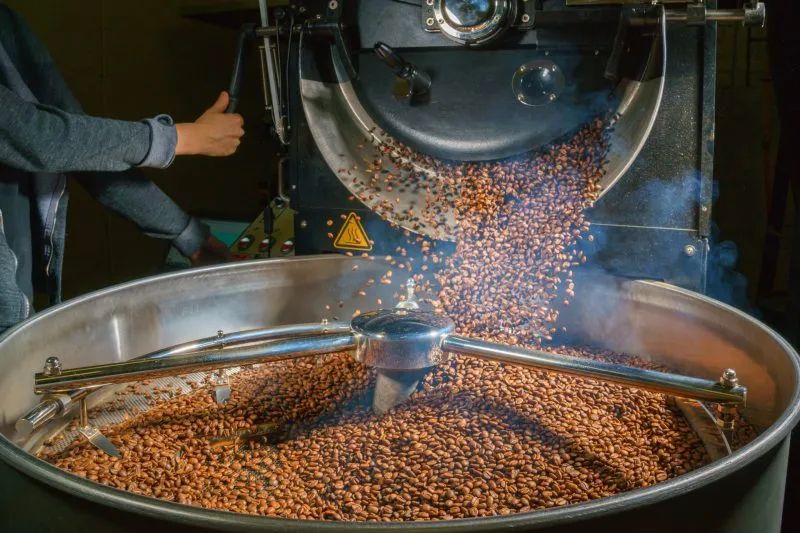
Roasting temperature is a key parameter affecting the safety of insect residues.Commercial-grade coffee beans are typically roasted at temperatures between 220-240°Cfor about 10-15 minutes. Under these conditions, the vast majority of organic materials (including potential insect residues) undergo thermal decomposition. Independent lab tests show that coffee products processed through standard roasting procedures have almost no remaining biological activity from insect residues.
For the average consumer, there is no need to overly worry about occasionally ingesting trace amounts of insect residues. Research from the World Health Organization (WHO) indicates that, within reasonable limits, the ingestion of insect proteins may even provide additional nutritional benefits. However, if a coffee product is found to contain obvious foreign objects (such as intact insect limbs or abnormally colored particles), consumption should be stopped immediately and the manufacturer notified.
When purchasing pre-ground coffee, it is advisable to pay attention to the production date and storage conditions indicated on the packaging. High temperature and humidity can accelerate the deterioration of residues, and products that are vacuum-sealed or nitrogen-flushed usually offer better preservation. Consumers with higher quality expectations may prioritize professionally roasted single-origin or small-batch products, which typically undergo stricter quality control processes.
The above content is compiled by CoffeeHunters, a coffee news website.


