







Introduction:Tagless bottled beverages are gradually entering consumers' view. From Nestlé Coffee in Japan to Kangshifu Iced Black Tea in China, these products respond to environmental concerns by simplifying their packaging. But can this model truly reduce carbon emissions, and what are its limitations and challenges? This article delves into the background of tagless beverage launches, market reactions, as well as practical details in their global promotion and future potential, helping readers gain a more comprehensive understanding of this new packaging trend.
With growing environmental awareness, more and more consumers are paying attention to the environmental impact of product packaging. Tagless bottled beverages have slowly moved from being "non-mainstream" to entering the public eye. Such products have gradually gained legal status in regions like Japan and Taiwan, with brands such as Nestlé Coffee, Asahi, and Suntory in Japan, as well as domestic brand Kangshifu, successively launching tagless versions. These are mainly sold by the case, with only necessary information such as the product name and expiration date printed on the bottle via laser etching. Other legally required information is printed on the outer packaging.
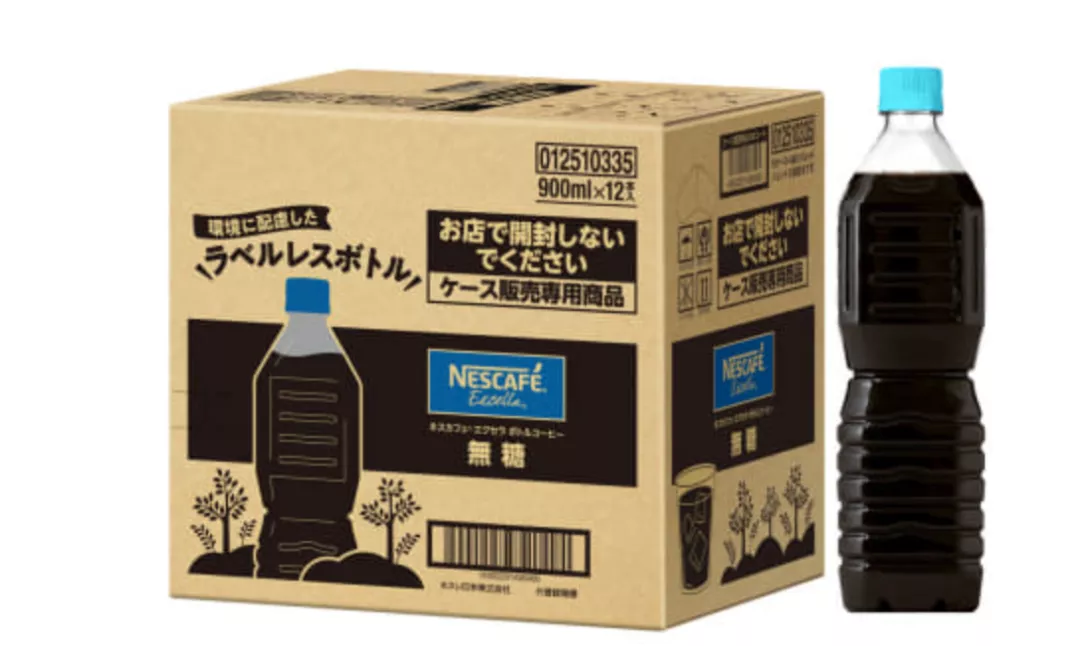
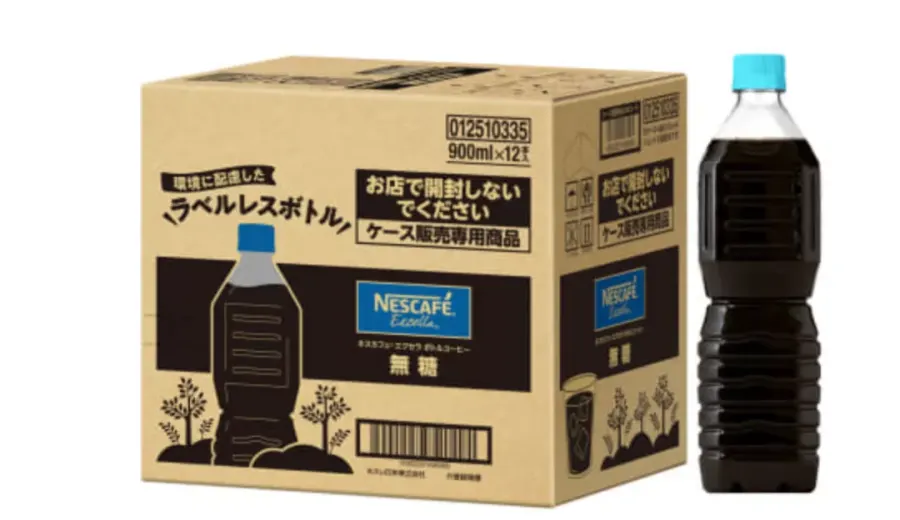
Taking the Japanese market as an example, Nestlé Coffee recently announced that it will launch two tagless bottled coffees in March this year: less sugar black coffee and sugar-free black coffee. Both will be sold in cases of 12 bottles and cannot be purchased individually. The outer packaging uses recycled materials and is designed with a resealable mechanism. The product’s shelf life and name are indicated via laser engraving on the bottle, and it clearly states “not for retail sale.” This design not only reduces the amount of plastic used in traditional labels but also helps streamline the recycling process.
In fact, Nestlé is not the first company to experiment with tagless packaging. As early as 2018, Japan’s Asahi launched tagless natural water, later expanding to multiple bottled beverages in 2019. In 2020, major beverage company Suntory followed suit, introducing tagless lemon soda and green tea products. In 2021, Asahi further adjusted its brand strategy by directly printing retail bottled beverage labels onto the bottle surface, while Suntory used patterned branding on some products without additional label paper—still clearly displaying production dates and expiration dates. In August 2021, international brand Evian also joined the tagless movement, launching tagless bottled water.
According to a Japanese market survey, about 60% of consumers are willing to buy tagless products, primarily because it reduces PVC label waste and avoids sorting difficulties. Heat-shrink labels on PET bottles often use PVC material, which is not easily decomposed. If not properly sorted, it increases recycling burdens. Removing these labels not only reduces carbon emissions but also improves overall recycling efficiency.
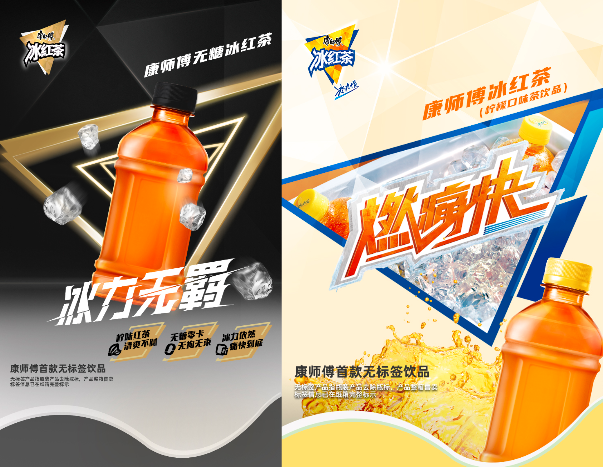
Turning to the Chinese market, Kangshifu has also recently listed tagless bottled Iced Black Tea on its official flagship store, becoming the first beverage brand in China to launch such a product. This product also adopts a case-only sales model, not available for single-bottle retail, and emphasizes its “low-carbon” philosophy, hoping to encourage more beverage brands to join the eco-friendly packaging movement. Kangshifu pointed out that to reduce ink pollution, bottle information is now directly presented via laser engraving, not only lowering the carbon footprint of the printing process but also aligning with the current trend of reducing plastic use.
However, the response to this approach in the domestic market is mixed. Some consumers believe that the tagless design demonstrates the brand’s commitment to the environment and is a proactive move in line with the national carbon reduction policy. However, many netizens have expressed skepticism, viewing it more as a short-term promotional tactic, questioning its long-term feasibility, and even worrying that tagless beverages may be mistaken for counterfeit products.

It is worth noting that, at present, the global sale of tagless bottled products is mostly subject to restrictions.They are generally not allowed to be sold individually.They must be distributed in case format. This is mainly due to considerations of consumer identification and product traceability, as well as to avoid market confusion. Additionally, while the tagless design reduces the use of label materials, direct laser printing on the bottle still requires control over energy usage and equipment carbon emissions. The overall carbon footprint must be assessed across the entire chain—from production and transportation to recycling.
In summary, as an attempt at low-carbon packaging, tagless bottled beverages indeed demonstrate brands’ innovative thinking in sustainability. However, whether they can become a mainstream trend depends on consumer acceptance, regulatory support, and a balance of technological costs. For readers who are concerned about environmental protection and the packaging trends of coffee beverages, understanding the actual benefits and challenges behind these innovations will help make more informed consumption choices.
The above content is compiled by CoffeeHunters, a coffee news website.


