







Introduction:Following the escalation of the Russia-Ukraine conflict, international food and beverage brands have successively adjusted their business layouts in Russia. Fast-food giants such as McDonald's and Starbucks, responding to public pressure, announced the suspension of operations at their local outlets and detailed measures to protect their employees. This article delves into the background of each company’s decision-making, the actual proportion of impact, and the ripple effects across market chains, while also exploring the potential challenges the conflict poses to global supply chains.
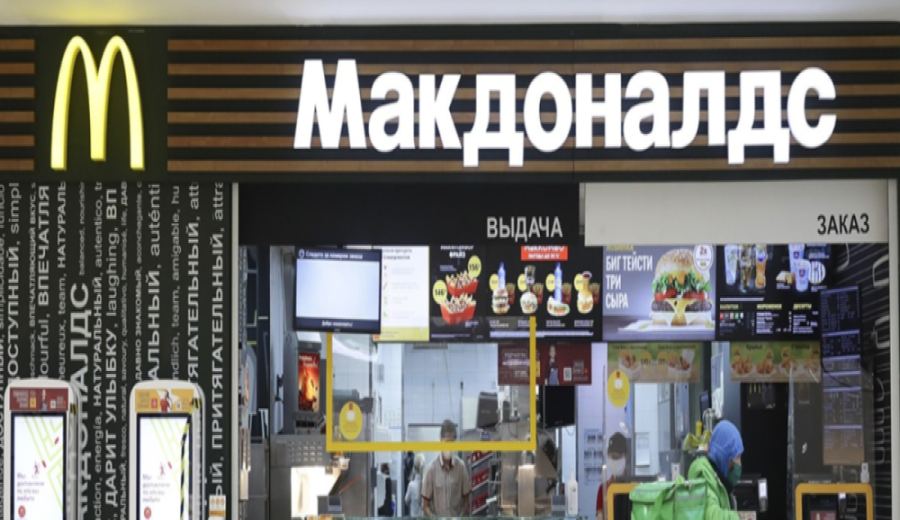
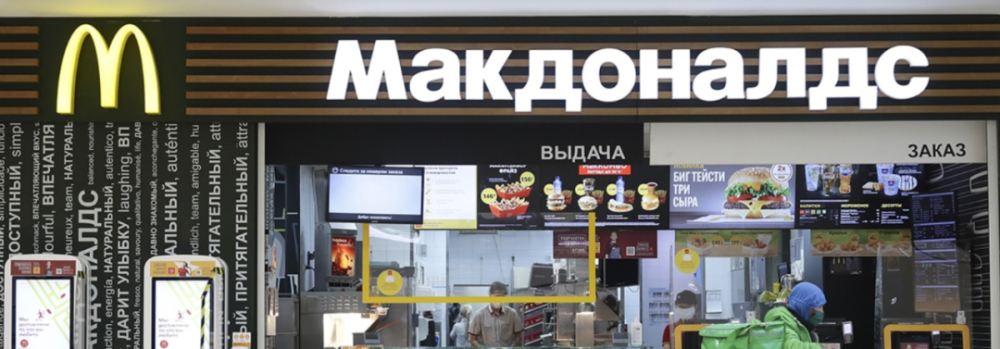
The Russia-Ukraine military conflict has triggered a chain reaction among global enterprises, with several international fast-food brands modifying their strategies in the Russian market under public scrutiny. McDonald's took the lead on March 8 by issuing a statement announcing the suspension of operations at its 850 outlets in Russia, citing the humanitarian crisis in Ukraine, and frankly admitted that it could not predict when they would reopen.
In an internal open letter, McDonald's CEO Chris Kempczinski emphasized that the conflict has caused immense suffering to innocent people, and that the company stands with the international community in condemning acts of violence.The company pledged to continue paying salaries to its 62,000 employees in Russia and additionally donated $5 million to an employee assistance fundto alleviate the economic pressure on the local team.
Subsequently, Starbucks also followed suit by announcing the suspension of its operations in Russia.CEO Kevin Johnson explicitly stated that all stores in Russia would cease operations, and the supply of merchandise would also be halted. Notably, Starbucks had already condemned Russia’s “unprovoked aggression” against Ukraine in a public letter on March 4, and pledged to donate profits from its Russian franchise operations to humanitarian relief efforts.
According to market data, Starbucks operates only about 130 stores in Russia and Ukraine combined, employing approximately 2,000 staff.These stores are all operated under franchise models, not directly by Starbucks, so their contribution to global revenue is less than 1%. Industry analysts pointed out that although this move has limited financial impact on the brand overall, it sends a clear message regarding corporate values.
In the beverage market, Coca-Cola and PepsiCo have also taken action in succession.Coca-Cola was the first to announce the suspension of its business in Russia, while continuing to assess the evolving situation; PepsiCo went further by announcing the termination of capital investment in Russia, as well as the suspension of all advertising and promotional activities.In a letter to employees, PepsiCo CEO Ramon Laguarta revealed that the brand will completely halt the sale of all beverage lines, including 7UP and Mirinda, reflecting the company’s cautious response to geopolitical risks.
It is worth noting that both Starbucks and McDonald's operate in Russia primarily through franchise models. This structure reduces direct operational risk for the parent companies but also highlights the strategic flexibility of international brands in the face of geopolitical conflicts. Market observers believe that this incident will accelerate the re-evaluation of global supply chains, especially in terms of layout adjustments in sensitive regions.
A review of the statements from various companies reveals that international brands, while pursuing commercial interests, must also balance social responsibility and the communication of their values. The chain reactions triggered by the Russia-Ukraine conflict not only affect short-term operational decisions but may also reshape the geopolitical strategy frameworks of multinational corporations in the future.
The above content is compiled by CoffeeHunters, a coffee news website.


