







Introduction:Have you ever wondered what lies behind coffee labels such as “Kenya AA,” “Yirgacheffe G1,” or “Jamaica Blue Mountain No.1”? These codes actually represent grading systems established by each origin according to local standards, reflecting the quality and value of the coffee beans. Understanding these grading logics not only helps you make more accurate judgments when purchasing coffee beans, but also allows you to better appreciate the unique flavors of different producing regions. This article will guide you through the green bean grading methods used in the world’s major coffee-producing regions.
When selecting coffee beans, you may often come across labels such as “Kenya AA,” “Yirgacheffe G1,” or “Jamaica Blue Mountain No.1.” These seemingly simple combinations of letters and numbers actually encapsulate each origin’s rigorous grading logic for coffee quality. Each country, based on its local growing environment, processing techniques, and market demand, has developed different green bean evaluation criteria to distinguish coffee grades and values.
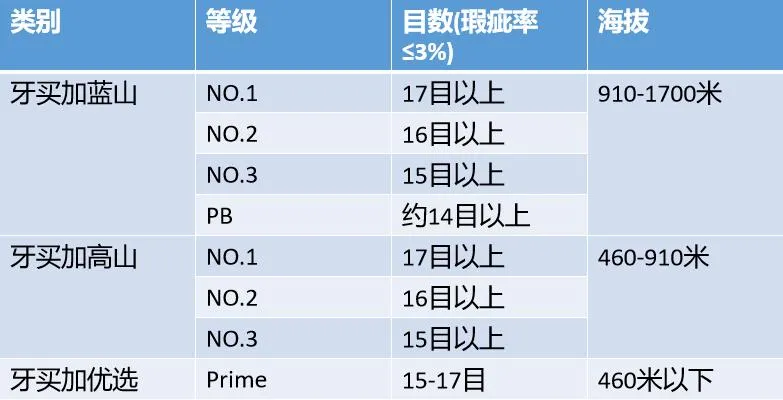
The establishment of green bean grading is primarily to provide international buyers with a common reference point during procurement. Different regions, when setting grading standards, take into comprehensive consideration factors such as bean size, defect rate, altitude, processing method, and cupping performance. For example, coffee grown at high altitudes typically exhibits more intense flavors and brighter acidity, which is why many regions also include altitude as one of their grading indicators.
However, once these coffee beans have been roasted, ground, and finally brewed into a hot cup of coffee, the original national grading standards become significantly less relevant to consumers. In most cafés—especially those that sell single-origin or estate beans—the beans used are usually already of the top grade within their region. Therefore, when making a purchase, consumers don’t need to obsess over the national grading names of the green beans; instead, they should pay more attention to the coffee’s origin, processing method, and roast style.
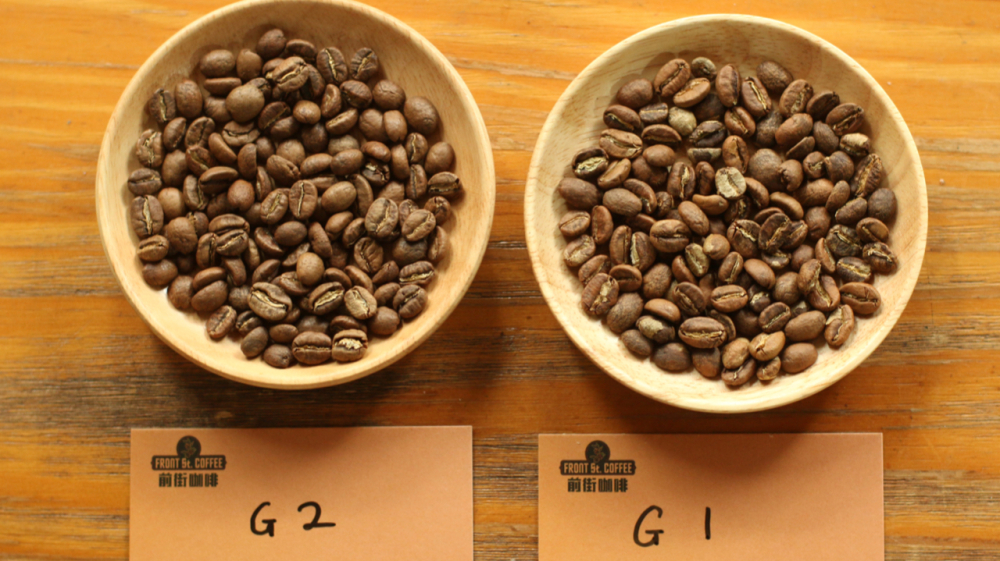
For example, Kenyan coffee beans often use “AA” as the representation of the highest grade. This grade indicates large bean size, low defect rate, and exceptionally high acidity and complexity in cupping. Yirgacheffe, on the other hand, uses “G1” as its top grade, emphasizing its bright citrus notes and floral characteristics. As for the legendary Blue Mountain coffee, the so-called “Jamaica Blue Mountain No.1” is the highest grade within that region—rarely produced, and esteemed as a premium coffee in the industry due to its balanced flavor and soft acidity-to-bitterness ratio.

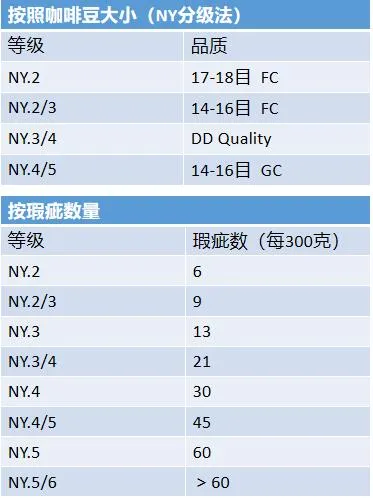
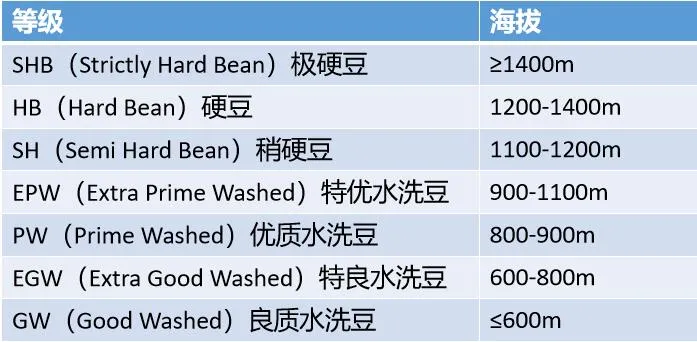
Each region’s grading approach has its own unique focal points. For instance, some countries place particular emphasis on bean size, believing that larger beans usually contain more complete flavor compounds. Others prioritize the proportion of defective beans, as defects can directly impact the purity of the final flavor. Additionally, altitude is often used as a grading criterion, since high-altitude regions experience greater diurnal temperature variations, helping the coffee cherries ripen slowly and accumulate more sugars and flavor compounds.
For beginner coffee enthusiasts, understanding these grading logics can help you choose coffee beans more wisely. When you see a bag labeled “G1” or “AA” online or in a physical store, you can roughly infer that it is a high-quality product from a carefully selected bean. However, don’t overlook other important information such as processing method (washed, natural, honey), roast level (light, medium, dark), and regional characteristics—all of which directly affect the flavor profile of your brewed coffee.
Furthermore, when brewing at home using pour over or other methods, knowing the grade and characteristics of your coffee beans can also help you adjust parameters such as grind size, water temperature, and brew time. High-quality green beans can usually withstand more flexible brewing approaches and showcase richer layers of flavor—this is why many coffee lovers are keen to try premium beans from various origins.
In summary, although green bean grading standards vary from country to country, their shared goal is to ensure the quality and consistency of the coffee. By understanding the logic behind these grading systems, you’ll be able to confidently choose coffee beans that suit your taste preferences and gain a deeper appreciation for the unique charm of different regions during your tasting journey. Whether you’re chasing bright acidity, rich body, or complex aroma layers, grasping the classification of grades is a crucial first step in exploring the world of specialty coffee.
The above content is compiled by CoffeeHunters, a coffee news website.


