







Introduction:When lightly roasted Ethiopian coffee beans enter the world of espresso, can they showcase unique flavors? This article takes three popular light-roast beans—natural, washed, and enzyme-washed—as subjects, analyzing their performance in making Americano and latte through practical extraction parameters and comprehensive cupping. From grind size, pre-infusion time, pressure settings to extraction time, we provide specific data and adjustment suggestions to help coffee enthusiasts explore the potential of light-roast beans in espresso-based drinks.
Traditional espresso is usually made with medium to dark roasted beans, which typically have a rich, caramel-like body and low acidity—qualities that pair well with milk. However, in recent years, more baristas and coffee enthusiasts have begun experimenting with light-roast beans for espresso, aiming to highlight brighter fruit acidity and a more complex aroma profile.
For this practical test, three popular light-roast Ethiopian beans were selected: a certain brand’s Huakui (natural process), a certain brand’s Guodingding (washed process), and a certain brand’s Dorothy (enzyme-washed process). The choice to focus solely on Ethiopian beans was due to their highly distinctive fruit and floral characteristics when brewed via pour over, making them ideal for comparing performance across different extraction methods.
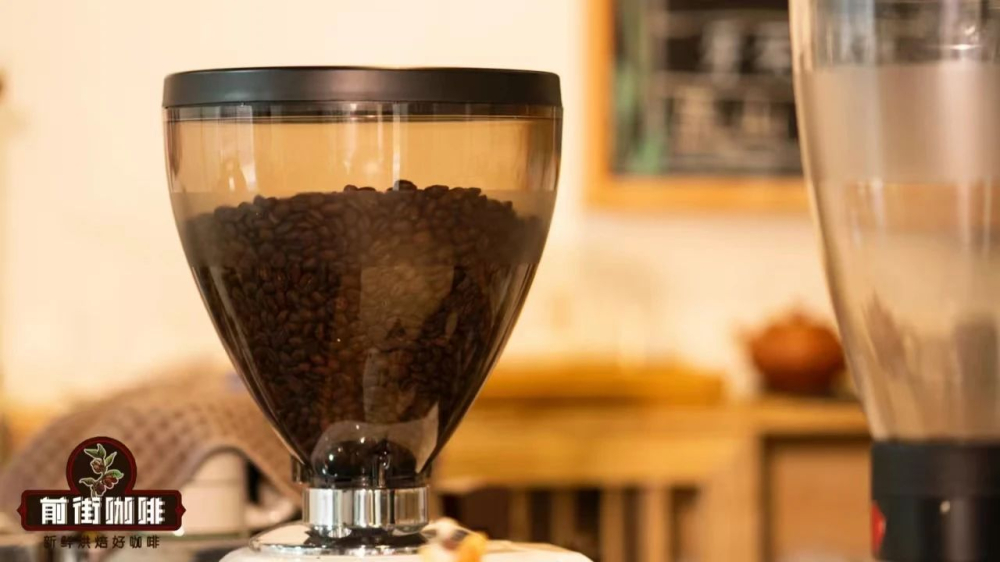
In espresso roast classifications, Agtron color values are commonly used as a reference for roast degree. Typically, "Italian Roast" falls under the dark roast category, with an Agtron value around 25—the darkest of the eight roast levels—and the bean surface often shows noticeable oil sheen. However, most commercially available espresso beans today are roasted lighter. Taking a common brand’s espresso series as an example, its Agtron usually falls around 55, categorized as "City Roast."
This challenge goes further by selecting "light roast (Light Roast)" and "cinnamon roast (Cinnamon Roast)" beans with Agtron values between 85–95—what we call light-roast beans. These beans typically exhibit pronounced acidity, high aroma, and complex fruity-floral notes, but they often face challenges in espresso extraction such as overly fast flow rate, under-extraction, and unstable crema, requiring more refined parameter adjustments.
To identify the optimal extraction conditions, we made multiple adjustments to all three light-roast beans, observing their performance in hot Americano and hot latte. Variables such as grind fineness, pre-infusion time, extraction pressure, coffee-to-water ratio, and brew time can all influence the final flavor outcome.
First up was a certain brand’s Huakui, an Ethiopian natural-processed bean rich in berry and dried fruit aromas. During initial attempts using standard espresso grind size, the flow rate was too fast, completing extraction in under 10 seconds—clearly failing to deliver the desired intensity and layered flavors.
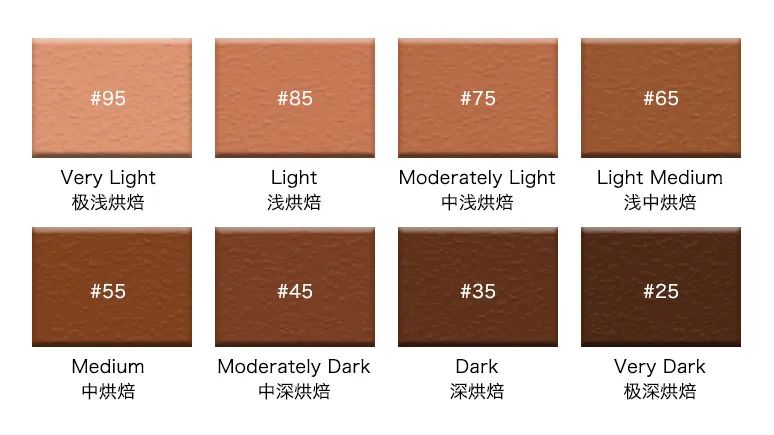
After repeated adjustments, the final parameters settled on: 20g dose, 8-second pre-infusion, 6 bar pressure, extracting 35g of coffee in 30 seconds. Under these settings, Huakui’s shot delivered intense berry aromas, a juice-like mouthfeel with slight jamminess and mild tangy acidity, all balanced nicely.
As a hot Americano, its berry sweetness became even more pronounced—tasting almost like raspberry juice with almost no bitterness, and a finish reminiscent of passion fruit nectar. However, when made into a hot latte, the coffee flavors were largely masked by the milk, with strong dairy notes overshadowing the original fruitiness, resulting in a rather plain overall impression.
The second test bean was a certain brand’s Guodingding, a washed Yirgacheffe known for its clear citrus and floral notes. Based on previous experience with Huakui, only minor parameter tweaks were needed: 20g dose, 6-second pre-infusion, extraction pressure reduced to 5 bar, yielding 32g of coffee in 30 seconds.
This shot produced thinner crema that dissipated quickly, so it had to be used promptly. The Americano remained impressive—with bright citrus aromas, rounded body, and a finish of soft white floral notes. It was refreshing and layered, though the aftertaste was somewhat short. However, when paired with milk for a latte, the overall flavor turned out rather mild; the coffee failed to complement the milk and even seemed to clash slightly, falling short of expectations.
The final test bean was a certain brand’s Dorothy, an enzyme-washed Ethiopian bean known internally by the team as "white peach oolong" due to its unique white peach and oolong tea notes. Based on its characteristics, a longer pre-infusion time was used: 20g dose, 10-second pre-infusion, 6 bar pressure, extracting 35g in 30 seconds.
This shot showcased intense peach aromas, with stable and long-lasting crema. As a hot Americano, it performed exceptionally well—rich peach notes paired with creamy smoothness and a trailing oolong tea aroma, outshining even the typical pour-over version.
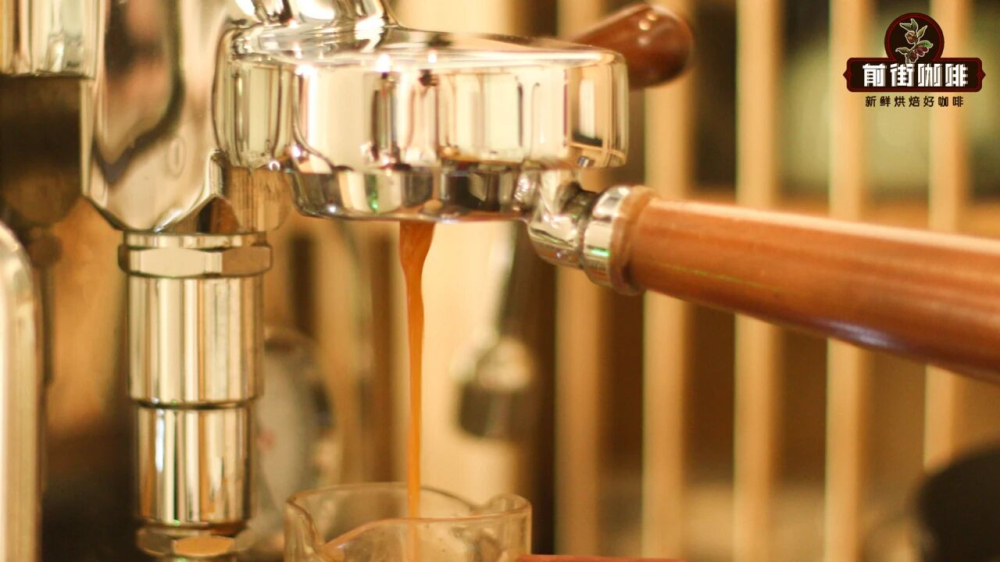
However, when paired with hot milk as a latte, it took on a flavor reminiscent of light cheese—an unusual but unique profile that diverges from the traditional rich milk coffee expectation.
Summarizing the performance of all three light-roast beans, we conclude: light roasts perform well in Americano by highlighting their innate fruit acidity, floral-fruity aromas, and bright profiles—ideal for those who prefer fresh and vibrant flavors. But when combined with milk in lattes, their flavors tend to be more delicate, easily muted or dominated by the milk, requiring more precise extraction and pairing techniques to truly shine.
For coffee enthusiasts eager to explore making espresso with light-roast beans, this is a rewarding path—but one that demands deep understanding of each bean’s character, continuous fine-tuning of grind and extraction parameters, and hands-on cupping experience to gradually master its nuances.
The above content is compiled by CoffeeHunters, a coffee news website.


