







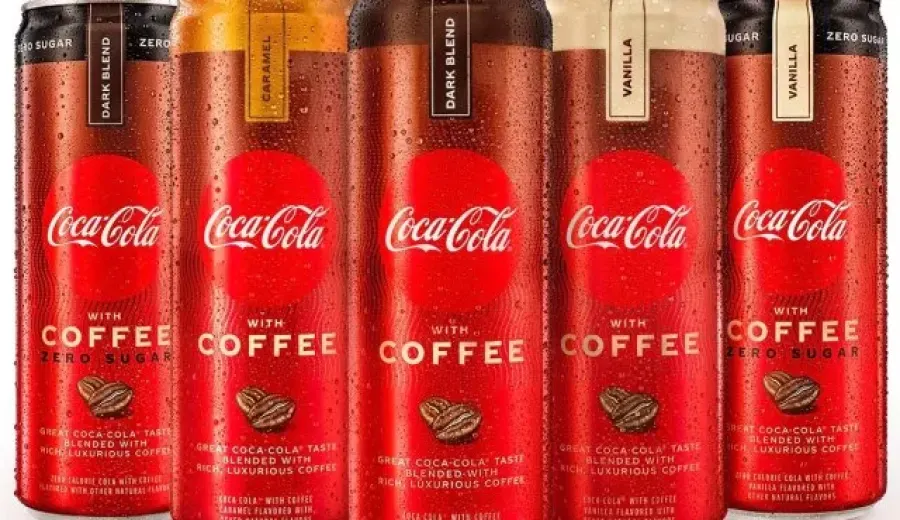
Introduction:Coca-Cola has once again launched a crossover between coffee and cola, this time themed around mocha flavors, introducing eight different variations in an attempt to continue the previous coffee-cola craze in the U.S. market. Ranging from vanilla to cherry, and including zero-sugar and decaffeinated versions, the new series not only offers a diverse range of flavors but also features distinctly differentiated packaging designs. This article delves into the highlights of these new products, the market strategy, and the potential dilemmas consumers may face when choosing.
The combination of coffee and cola is by no means a new concept, but previous attempts have often failed to make a splash in the market. However, Coca-Cola’s coffee-cola launch in the U.S. market unexpectedly received positive feedback. Capitalizing on this trend, the brand decided to strike while the iron is hot, announcing on February 7, 2022, the release of a new mocha coffee-flavored series in select regions of the United States, featuring eight different options that cover everything from the basic version to zero-sugar and decaf varieties.
This new series not only shows significant differences in flavor but also features a comprehensive upgrade in coffee bean selection, packaging design, and overall product strategy. In the past, similar coffee-flavored colas had been launched in various regions but often faded away due to lukewarm market reactions. Nevertheless, Coca-Cola’s technical team remains confident in this crossover beverage, believing that with the right timing and target audience, this category still holds development potential.
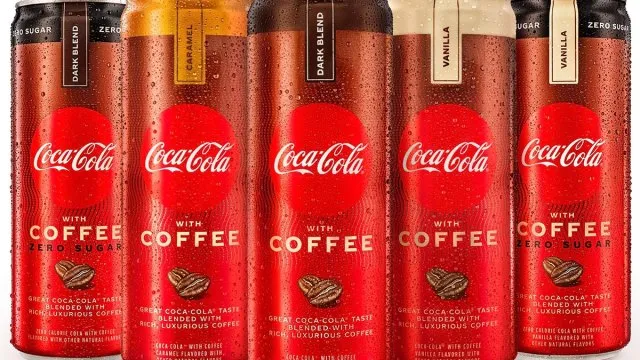
In fact, last year’s initial coffee-cola offering was made with Brazilian coffee beans, while this mocha-flavored version shifts to a coffee base with a specially crafted dark chocolate profile. It should be noted that the term “mocha” here refers to the chocolatey notes inherent in the coffee itself, not beverages that include chocolate syrup. The new series is launching eight variations at once, including Vanilla Coffee Cola, Zero Sugar Vanilla Coffee Cola, Cherry Vanilla Coffee Cola, Zero Sugar Cherry Vanilla Coffee Cola, Cherry Coffee Cola, Zero Sugar Cherry Coffee Cola, Decaf Mocha Coffee Cola, and Zero Sugar Decaf Mocha Coffee Cola, catering to consumers with varying preferences for sweetness, caffeine, and dietary needs.
To create a clear distinction from the previous product that used Brazilian coffee, the packaging design of this mocha-flavored series has been significantly updated.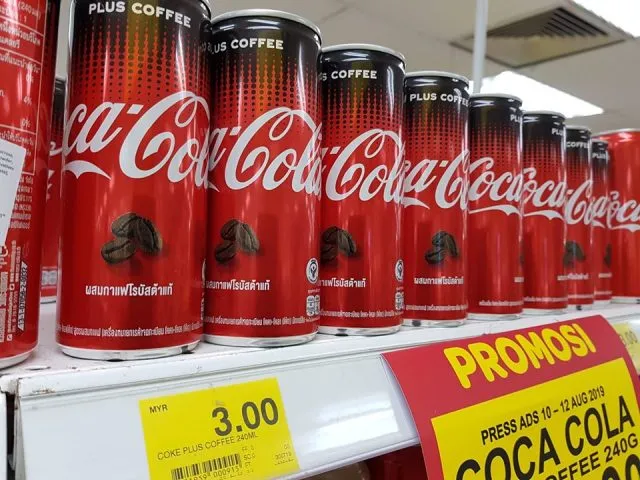 Brighter colors and a variety of can shapes allow consumers to identify different flavors just by looking at the packaging. For example, a latte-toned can corresponds to the vanilla flavor, while a purplish-red hue represents the cherry profile. If two color blocks are combined, it hints at a fusion of dual flavors; a black logo on the can indicates a zero sugar, zero calorie version, while a gold can top clearly marks it as a decaffeinated product, making it easy for consumers to make quick choices.
While writing this article, we also conducted a small informal survey among our colleagues: “Would you choose coffee-flavored cola, or cola-flavored coffee?” The answers were fairly consistent — “I still prefer them separately!” This reflects the fact that many consumers remain cautious about such crossover combinations. However, for those who enjoy trying new things and seeking novel beverage experiences, the eight mocha coffee colas launched by Coca-Cola undoubtedly offer more opportunities for exploration.
From a market strategy perspective, Coca-Cola’s choice to use the U.S. market as a testing ground is based not only on the high receptiveness of local consumers to novel flavors but also on leveraging the brand’s strong marketing and distribution advantages. However, whether the combination of coffee and cola can truly break through the dilemma of being “well-received but not well-selling” still depends on long-term market feedback. For consumers, faced with such a diverse array of options, which one will you choose to challenge your taste buds?
The above content is compiled by CoffeeHunters, a coffee news website.


