







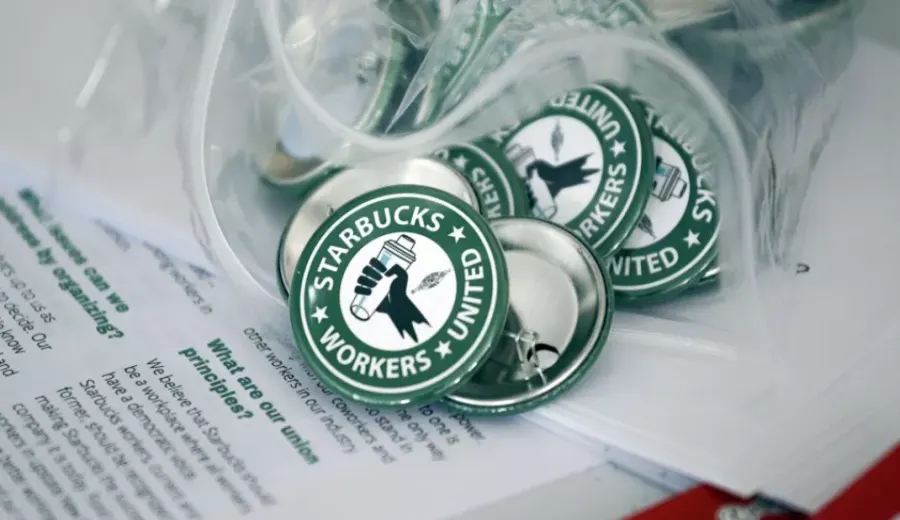
Introduction:During the pandemic, Starbucks employees worldwide faced challenges such as staff shortages, inadequate pay, and deteriorating working conditions, with unionization movements particularly gaining momentum in stores across the United States and South Korea. This article delves into why Starbucks employees chose collective action, examining key issues such as wages, workplace safety, and management responses, to shed light on the real struggles and demands of the "partners."
Amid ongoing pandemic impacts, Starbucks store employees in the U.S. and South Korea—facing persistent understaffing, disproportionate workloads relative to pay, and insufficient health measures—opted to form or join unions in hopes of negotiating better labor conditions through collective bargaining. This union movement, which originated in Buffalo, New York, gradually spread to cities like Chicago and South Korea, reflecting rapidly growing dissatisfaction among the "partners."
As early as the initial phase of the pandemic, many U.S. Starbucks employees reported to the company about severe staffing shortages, sudden increases in workload, and inadequate pandemic protocols. However, management responses were slow, and proposed improvements were often unsatisfactory. As tensions escalated, more store employees leaned toward unionizing—this organizational form, long avoided by Starbucks, became their new channel for dialogue with management.
The first Starbucks employee union in the U.S. was established at a store in Buffalo, New York, followed by union applications from three other stores in the same city and one in Arizona. Currently, employees in six additional cities are preparing for votes to decide whether to follow suit and form unions.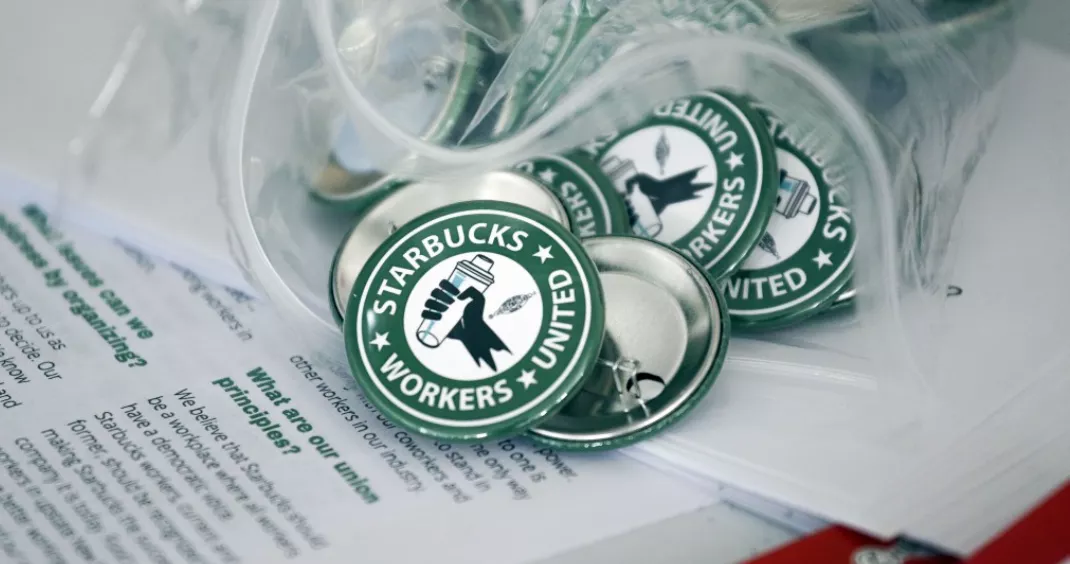 Once established, a union can directly negotiate on behalf of employees with the company, which is a major reason why many Starbucks partners choose to join existing unions.
Beyond Buffalo, Starbucks employees in the Chicago area recently also announced their affiliation with established unions. Through an open letter to Starbucks CEO Howard Schultz (note: corrected from “约翰·卡爾弗” which appears to be a mistranslation; actual CEO during relevant period was Kevin Johnson, then Laxman Narasimhan; however, Schultz was a prominent figure historically), they expressed their concerns, stating that despite their love for the job, current staffing levels left them struggling with excessive fatigue and pay imbalances. They hoped to use the union platform to engage the company in dialogue on issues such as wage adjustments and staffing reinforcements.
However, Starbucks has historically taken a conservative stance toward employee unionization, even describing unions as "obstacles" to business development. In response to this wave of unionization, the company neither actively engaged with the unions’ negotiation requests nor explicitly prevented them, leaving many store demands unresolved to this day.
Even more concerning is that Starbucks’ health and safety measures for employees during the pandemic were also deemed inadequate. In January of this year, reports indicated that at a unionized Buffalo store, employees resigned en masse due to a surge in COVID-19 cases, primarily because the company failed to provide sufficient N95 masks. Even though local regulations mandated mask-wearing in public spaces, many customers refused to comply, yet Starbucks still required employees to serve these maskless patrons. Under intense workloads, staffing shortages, and unsafe conditions, many workers chose to leave to protect their own health.
In response, a Starbucks spokesperson stated that the operational model of 20 stores in the Buffalo area had been adjusted—suspending dine-in services, offering only takeout, and reducing operating hours to address pandemic and staffing challenges. Additionally, the company urged employees to get vaccinated as soon as possible and updated its isolation policy for confirmed cases, aiming to reduce the risk of virus transmission.
This union movement is not limited to the United States. In South Korea, Starbucks employees have also begun actively seeking to unionize due to low wages, poor benefits, and excessive workloads. Beyond collective action, they have also voiced their concerns anonymously on online forums. One post read: "During a promotion, a customer ordered 650 drinks at once, but the store received no additional staffing support, leaving employees overwhelmed and forced to smile through the chaos of an endless stream of customers."
According to survey data published by Korean experts in December last year, in 2020, 613 Starbucks employees sought psychological counseling due to work-related stress—more than five times the number in 2015. Meanwhile, workplace injury incidents caused by understaffing more than doubled compared to 2019. These figures highlight the urgent need for improvement in the working environment at Starbucks stores in South Korea.
In addition to speaking out online, some South Korean employees even rented a truck equipped with a display screen, driving it around Seoul and Gangnam District. The truck displayed the message: "Please don’t forget, partners are Starbucks’ greatest asset," directly expressing their dissatisfaction with working conditions to consumers. This was not only a protest against heavy workloads and low pay, but also reflected disappointment among many veteran employees, as Starbucks has not fulfilled its promise to adjust salaries based on seniority and performance since entering the Korean market in 1999.
Notably, even after the pandemic eased, Starbucks employees in China faced similar challenges. Although some stores adjusted employee benefits, implementation was often delayed, and staffing remained insufficient in certain locations, with reduced pay and training resources for new hires compared to the past. These issues have meant that Starbucks "partners" across various regions continue to endure significant workplace pressure, even without joining unions.
Overall, the actions of Starbucks employees to form or join unions are not just about fighting for better pay and working conditions, but also represent a collective response to the current management model. Regardless of the final outcomes of negotiations, this wave of unionization has brought more attention to the real voices of the "partners" behind the coffee industry.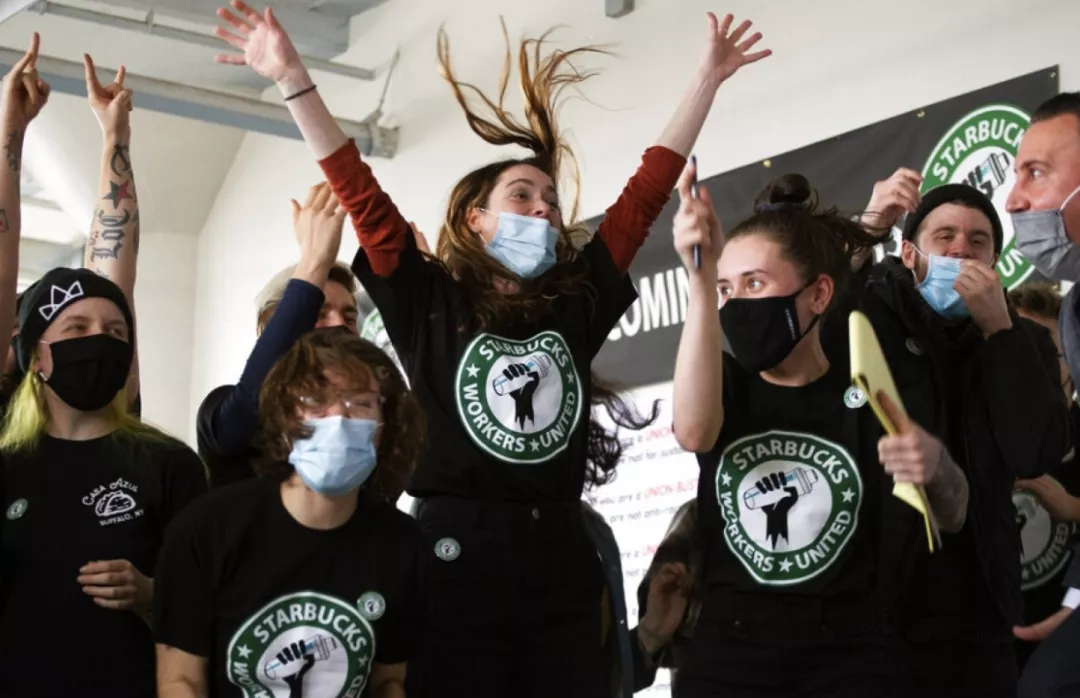
The above content is compiled by CoffeeHunters, a coffee news website.


