








Introduction:Geisha coffee has become a top-tier favorite in the specialty coffee scene in recent years. However, Panamanian Geisha and Ethiopian Geisha actually differ significantly in flavor profile, bean appearance, and growing background. This article will help readers distinguish between the two by exploring variety origins, terroir, cupping profiles, and green bean appearances. It also addresses what constitutes the more representative "Geisha flavor," making it ideal for coffee enthusiasts with an advanced interest in specialty beans.
Geisha (Geisha/Gesha) has now become an iconic variety in specialty coffee. Yet, the similarly named coffees from Panama and Ethiopia exhibit noticeably different flavor expressions. Many coffee lovers, after tasting them, find that while both boast captivating floral aromas and bright acidity, Panamanian Geisha tends to have a softer and more refined character, often featuring jasmine, citrus, and a sweet honey-like finish, with a smooth mouthfeel. In contrast, Ethiopian Geisha showcases a more exuberant fruitiness—like intense fresh juice—with explosive flavors, diverse fruit layers, and high vibrancy.
Many assume the two are simply the same variety expressed differently across regions, but their origins are far more storied. Panamanian Geisha was not originally cultivated as a specialty bean. In the 1930s, seeds were collected from Ethiopia’s Kaffa Forest by botanical experts and traveled through Kenya, Uganda, and Tanzania before being cataloged as variety T2722 by the Costa Rican Agricultural Research Institute in the 1950s. It wasn’t until the 1960s that these seeds were introduced to Panama’s Hacienda La Esmeralda, initially planted to resist leaf rust and not given special attention. It wasn’t until 2004 that Hacienda La Esmeralda discovered its remarkable potential through cupping, entered it in a competition under the name Geisha, and won the Best of Panama (BOP) championship—catapulting this coffee to fame.
Therefore, broadly speaking, Panamanian Geisha is actually derived from an Ethiopian landrace variety, but has gradually evolved into a distinctly different personality under varying climates, altitudes, and processing methods.The difference in geography and terroir is a key factor behind the divergence in their flavor profiles.As the saying goes, “An orange grown in Huainan is an orange, but grown in the north of the Huai River is a trifoliate orange.” Even with similar genetics, the environment can greatly influence a coffee’s final expression.

From cupping or everyday brewing experiences, Panamanian Geisha often displays an elegant floral lineage, particularly notable jasmine and white floral notes, paired with refreshing lemon and lime citrus tones. Its sweetness typically manifests as rich honey or caramel-like tones, with a round and smooth mouthfeel and a long, clean finish. Ethiopian Geisha, on the other hand, feels like stepping into a lush fruit garden—the moment it touches your palate, you’re hit with intense bursts of berries, tropical fruits, and even citrus juice. The aroma is bold and layered, often accompanied by tea-like and floral aftertastes, with a bolder and more varied flavor direction.
Beyond flavor, Panamanian Geisha and Ethiopian Geisha also differ markedly in appearance, serving as one of the quick identification cues for roasters or buyers familiar with green bean selection. Panamanian Geisha beans are relatively long in shape, tapered at both ends, plump, large in size, and have a compact, glossy overall look, making them easy to distinguish from other varieties. In contrast, Ethiopian Geisha beans are slightly smaller, more oval in shape, and not as elongated—close inspection reveals the differences.
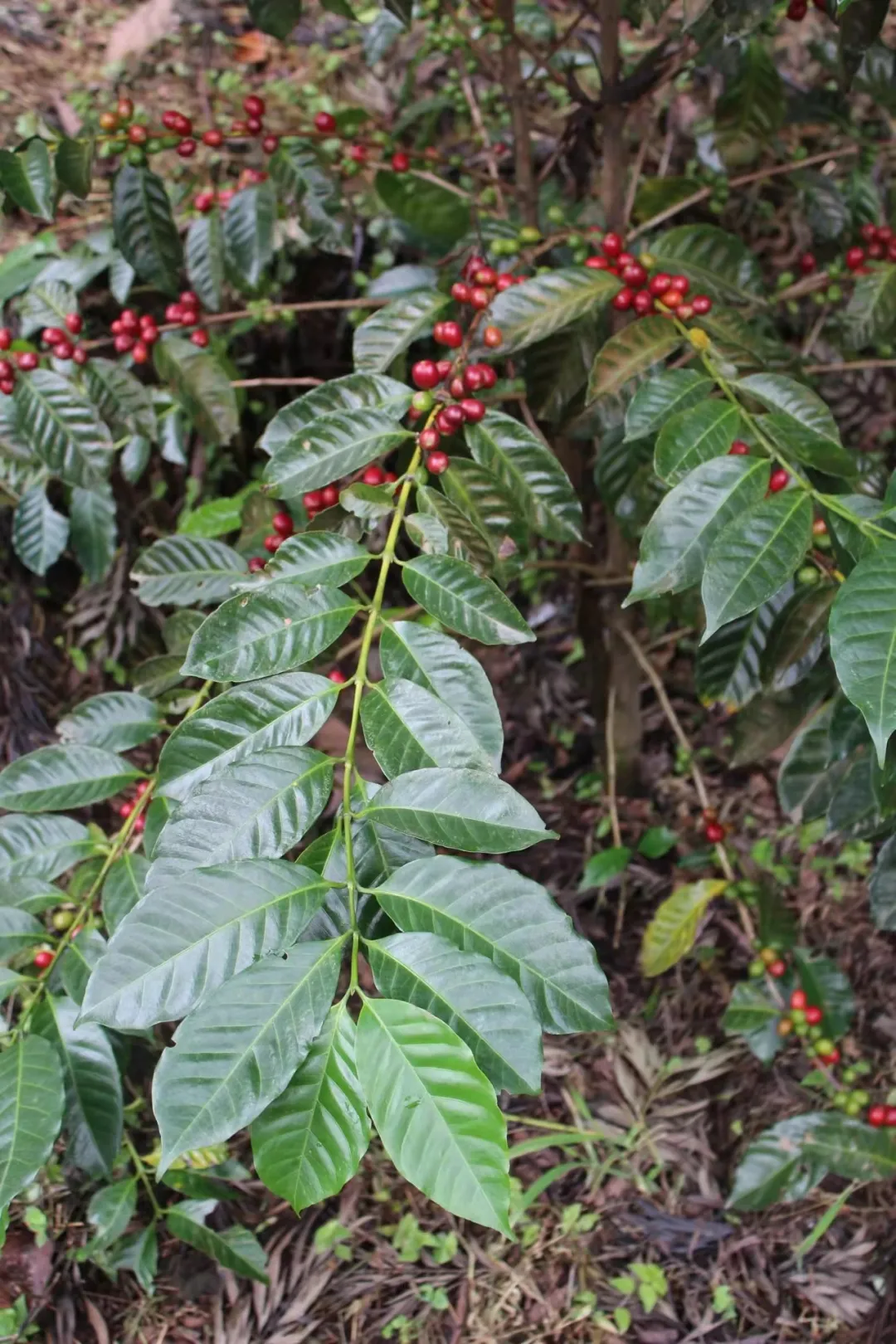
Many consumers also notice that renowned Panamanian regions, such as Hacienda La Esmeralda, often use “Green Label,” “Blue Label,” or “Red Label” to differentiate grades and processing lots, with Blue Label Geisha being a well-known representation of high quality. Ethiopian Geisha, meanwhile, mostly comes from villages like Gesha Village in Yirgacheffe, often graded with labels such as Gold Label or Red Label. Although both places use the name “Geisha/Gesha,” the spelling differences actually reflect varietal etymology and market positioning distinctions.
In summary, although sharing a single name, Panamanian Geisha and Ethiopian Geisha each represent distinct coffee terroirs and processing cultures. If you want to explore the most classic, elegant floral-fruit tones of Geisha, the Panamanian version may be the closer choice to its “legendary origin.” But if you prefer a wilder, more explosive fruit impact, the Ethiopian version offers a completely different kind of surprise. Understanding their differences not only helps you find your own preference but also allows you to appreciate the diversity and nuance within the world of coffee more deeply.
The above content is compiled by CoffeeHunters, a coffee news website.


