








Introduction:The grinder is the soul of a pour over coffee setup, but with prolonged use, the burrs and powder chute can accumulate coffee grounds and oils. This not only affects the flavor of your coffee but may also reduce the machine’s performance. This article compiles practical cleaning and maintenance methods for both hand-cranked and electric grinders tailored for home users—from everyday quick cleanups, knowing when to perform a full disassembly, to alternatives for those unfamiliar with mechanical structures—and includes an explanation of the “grinder rinse” technique to help you maintain your grinder in optimal condition and extract purer coffee flavors.
Roasting and grinding coffee beans at home has become a daily routine for many coffee enthusiasts. However, whether using a hand-cranked or electric grinder, after some time, the burrs and interior of the powder chute will accumulate fine coffee particles and residual oils. These residues not only interfere with the flavor profile of subsequent grinds but can also accelerate wear on internal components over time, shortening the grinder’s lifespan.
This article will detail the daily cleaning steps and deep maintenance essentials for both hand-cranked and electric grinders, including basic upkeep after each use, when to perform a complete disassembly and cleaning, and how users who are not adept at disassembling machinery can still effectively maintain their grinders using cleaning beans. Additionally, it explains the “grinder rinse” technique before grinding to prevent flavor cross-contamination between different coffee beans and offers practical maintenance advice to keep your grinder in a stable and efficient state at all times.

Many novice coffee drinkers are gradually starting to grind their own beans at home, allowing for more precise control over grind size and freshness. But it’s also common to hear questions about grinder selection. Here, we clarify that this article is not a professional machinery review, nor does it include hands-on comparisons of specific commercial models—therefore, we won’t recommend any particular model. Instead, it focuses on universal maintenance and cleaning principles applicable to most common hand-cranked and electric grinders.
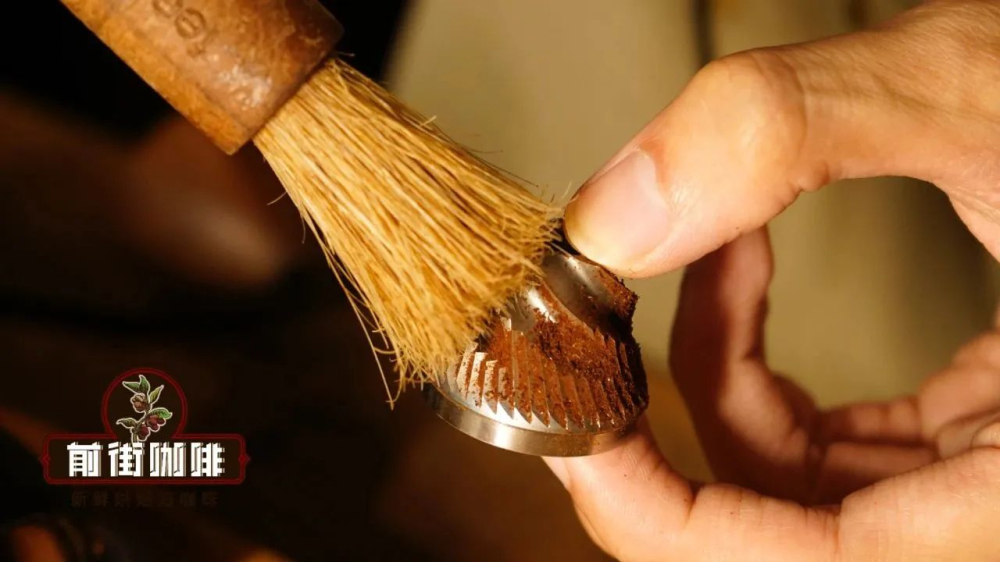
As for grinder disassembly and maintenance, it’s actually not necessary to do it after every use. If you use your grinder frequently—daily or multiple times a week—it’s recommended to perform a full disassembly and cleaning approximately every two weeks to ensure the internal parts remain clean. And when the grinder will not be used for an extended period—such as during an overseas trip or a summer break from brewing—be sure to conduct a thorough disassembly and cleanup before storage to prevent residual grounds from getting damp or oils from oxidizing, which could affect future use.
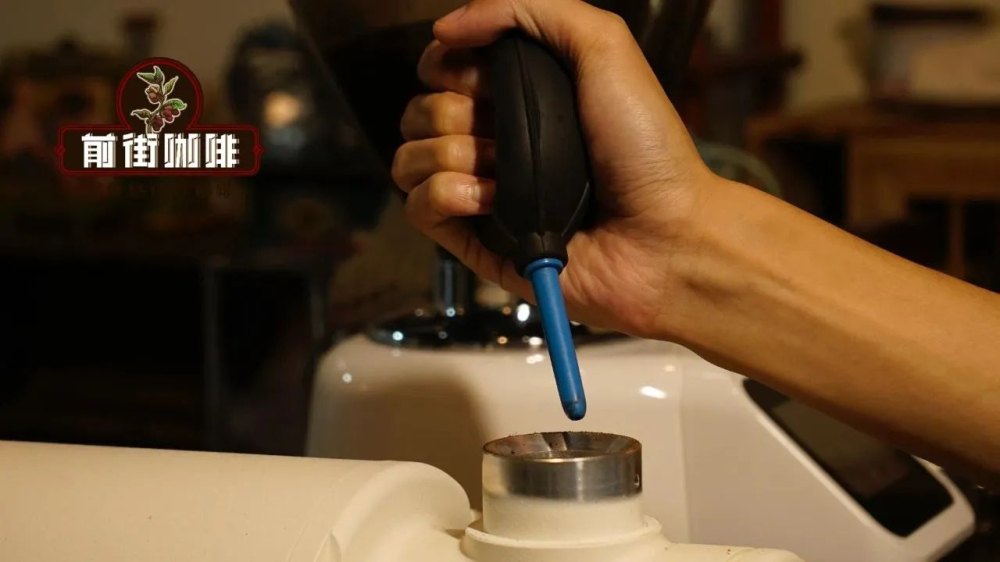
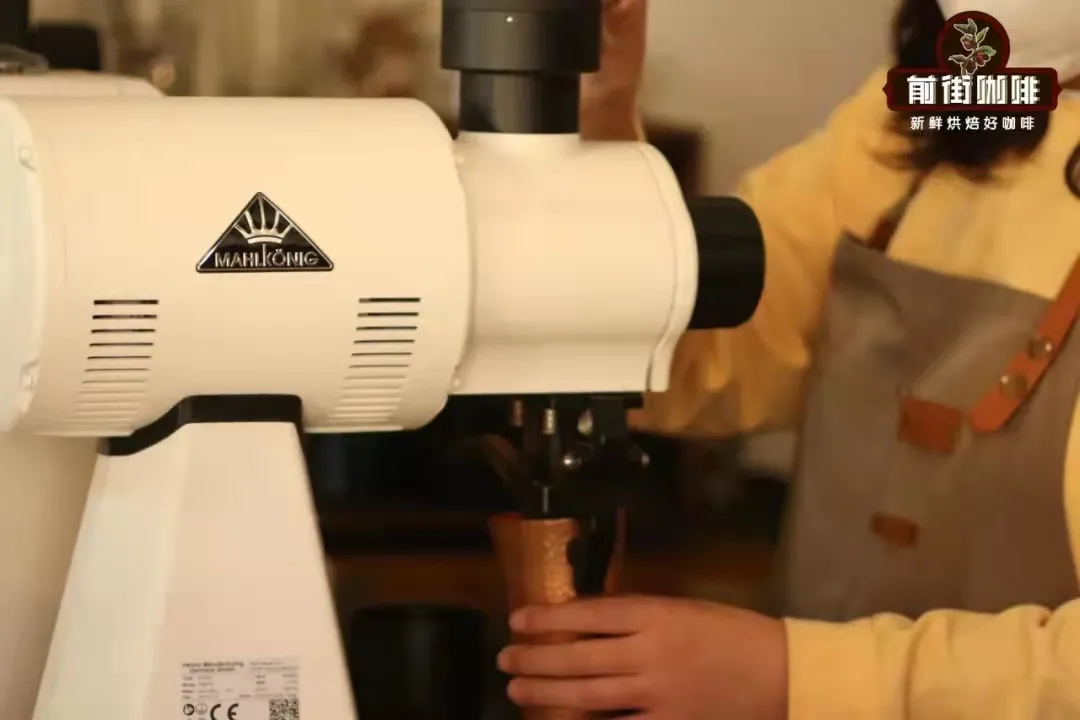
If you want to further avoid flavor interference between different coffee beans, you can perform a “grinder rinse” by grinding a small amount of similar or neutral-flavored coffee beans before the actual grind. This step helps clear out any residual flavors from the previous grind left in the burrs and powder chute, ensuring each bean can express its purest characteristics. Additionally, after each grind, it’s recommended to gently blow out the fine grounds from the spout using a blow balloon to prevent powder buildup that could affect the next use.
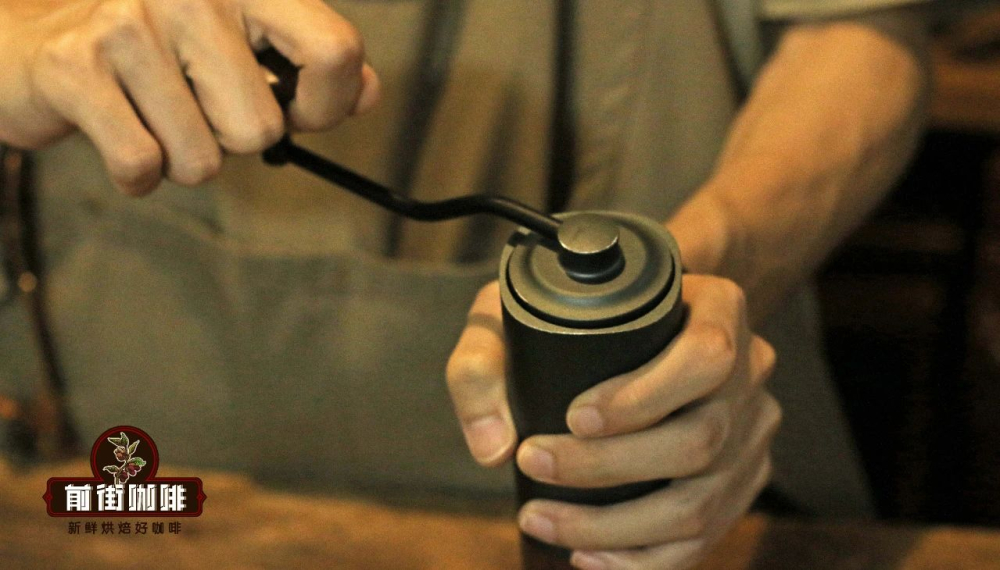
If you’re not familiar with the internal mechanical structure of your grinder, it’s advisable not to disassemble the main components yourself, as reassembly may lead to missing or misplacing small parts, causing more trouble. To keep the burr chamber clean, consider using specialized grinder cleaning beans. By grinding them normally, they help remove accumulated fine particles and residual oils inside the grinder—this method is both safe and effective. It’s especially suitable for users who prefer not to disassemble their grinder frequently and can also extend the machine’s lifespan.

The various steps and tools shown in the images are commonly used in actual grinder maintenance. Whether you’re using an affordable hand-cranked grinder or a mid-range electric model, regular and proper cleaning habits are key to maintaining consistent coffee flavor. Remember, a clean grinder not only improves extraction efficiency but also allows you to better capture the unique character of each coffee bean.
The above content is compiled by CoffeeHunters, a coffee news website.


