







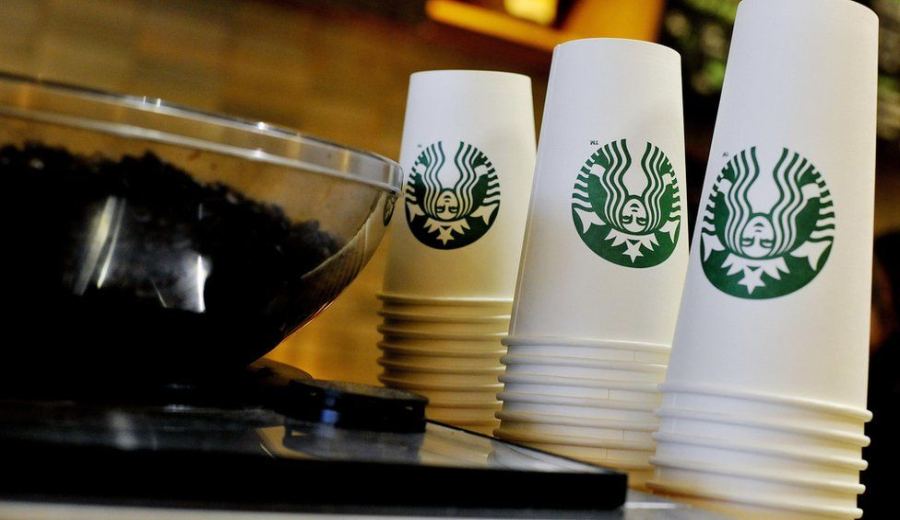
Introduction:Takeaway coffee culture is booming in the United States, but recently there has been a severe shortage of disposable coffee cups, making it difficult for many customers to even buy a cup of coffee. This “cup crisis” has not only driven up costs by up to 70%, but has also forced businesses to come up with creative solutions. This article delves into the supply chain challenges, reveals practical strategies such as shops borrowing cups from each other and adjusting menus, and offers useful advice for consumers on bringing their own cups.
For many Westerners, a morning cup of coffee is an essential part of daily life, and takeaway coffee is a common scene in the fast-paced American lifestyle. However, the U.S. coffee industry has recently faced an unexpected challenge: a serious shortage of disposable coffee cups, making it harder than ever to grab a simple cup of joe.
According to reports, major coffee chains like Starbucks are experiencing shortages in cup inventory. Some customers have had to call multiple locations just to confirm availability of their preferred cup size before they can get their desired coffee. Starbucks stated that it spends up to $6 billion annually on disposable cups and is currently resorting to using holiday-themed stock cups as a temporary solution.
This crisis is not unique to Starbucks—restaurants and cafes across the United States are facing similar issues. The root causes include labor shortages in the domestic paper manufacturing industry, which has made the U.S. heavily reliant on imports of disposable paper cups from countries like China. During the pandemic, imported cups were stuck at ports, and the Texas freeze further impacted production, forcing factories that make plastic cups and paper cup coatings to shut down temporarily. Production capacity still hasn’t fully recovered.
To cope with the cup shortage, some businesses have started helping each other by forming groups to share supplier inventory information, and even keeping track of how many cups they borrow from one another so they can return them later. But new problems soon emerged—lids are also in short supply. Since cup and lid specifications vary by brand, even if the volume is the same, lids may not be interchangeable.
Businesses have resorted to all sorts of measures to find suitable lids, such as using cold drink lids on hot drinks or pouring creamer into unbranded regular plastic cups. When specific takeaway cup sizes are out of stock, some beverages have even been temporarily removed from online menus and are only available for in-store purchase.
Some industry insiders revealed that the prices of certain disposable cups have risen year-on-year by70%. To ease the pressure, many businesses are encouraging customers to bring their own reusable cups by offering discounts. Others have switched to using disposable paper cups for cold drinks as an alternative.
But how many people actually remember to bring their own cups when they go out? Standing at the counter only to find no disposable cups available—and having to awkwardly give up on the purchase—has led more consumers to consider the necessity of bringing their own cups.
This “cup shortage” crisis not only exposes the fragility of the global supply chain, but also prompts businesses and consumers to rethink their habits around single-use items. For coffee lovers, remembering to carry a reusable cup might be a more practical choice in the future.
The above content is compiled by CoffeeHunters, a coffee news website.


