







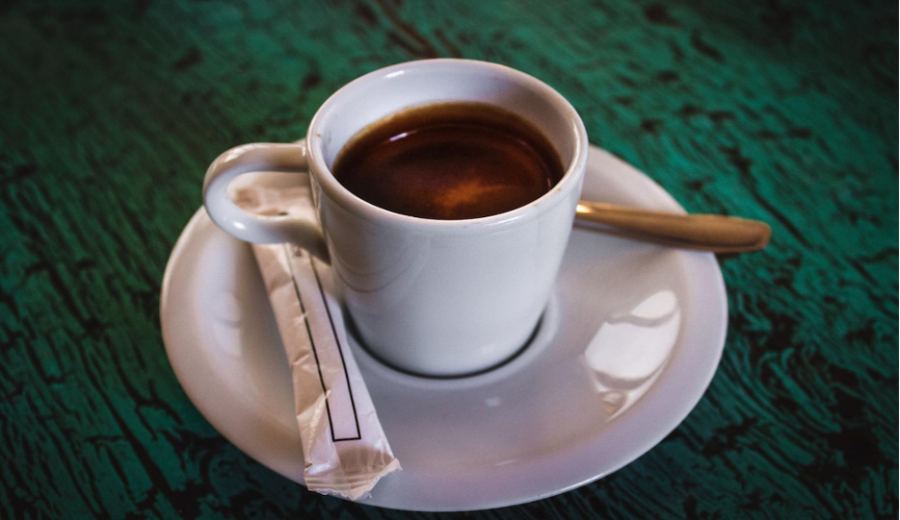
Introduction:The pairing of coffee and sweetness has always been a classic topic in the beverage world. From early sugar cubes to today’s diverse syrup options, how can one strike a balance between preserving the essence of coffee and satisfying personal taste preferences? This article delves into the differences between sugar and syrups, recommends common syrup brands, discusses appropriate ratios and usage scenarios, and explores the impact of sweetness on taste, helping you find the sweet solution that best suits your coffee.
The pairing of coffee and sugar can be said to span centuries of culinary cultural evolution. As early as the 16th century, when coffee was first introduced to Europe, the quality of coffee beans was generally poor, and deep roasting methods were commonly used, resulting in a strong, bitter flavor. To mitigate this unappealing taste, people began adding sugar to their coffee, even considering sugar and coffee as equally luxurious indulgences, reserved only for the upper class.
Today, with the rise of specialty coffee culture, more and more coffee enthusiasts are pursuing the original flavors of coffee, especially in pour over or freshly brewed specialty coffee, where adding no sugar or milk is advocated to savor the fruit acidity, sweetness, and rich aftertaste of the beans themselves. However, the emergence of syrups has brought another possibility to the coffee world—by adding flavored syrups, not only can the layers of coffee be enriched, but the barrier for first-time coffee drinkers is also lowered.
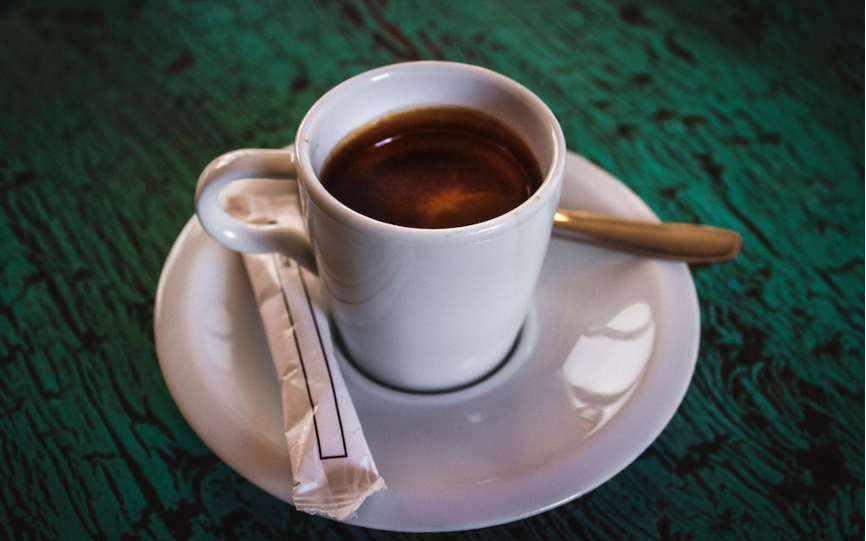
The biggest difference between sugar and syrup lies in their form and the way flavor is presented. Regular granulated sugar, usually white or dark brown crystals, dissolves in coffee to provide basic sweetness, with minimal alteration to the overall flavor structure of the coffee. Syrups, on the other hand, are concentrated liquid sweeteners, often carrying distinct additional flavors such as vanilla, caramel, hazelnut, or even seasonal varieties like pumpkin or maple, which can give coffee a more distinctive taste experience.
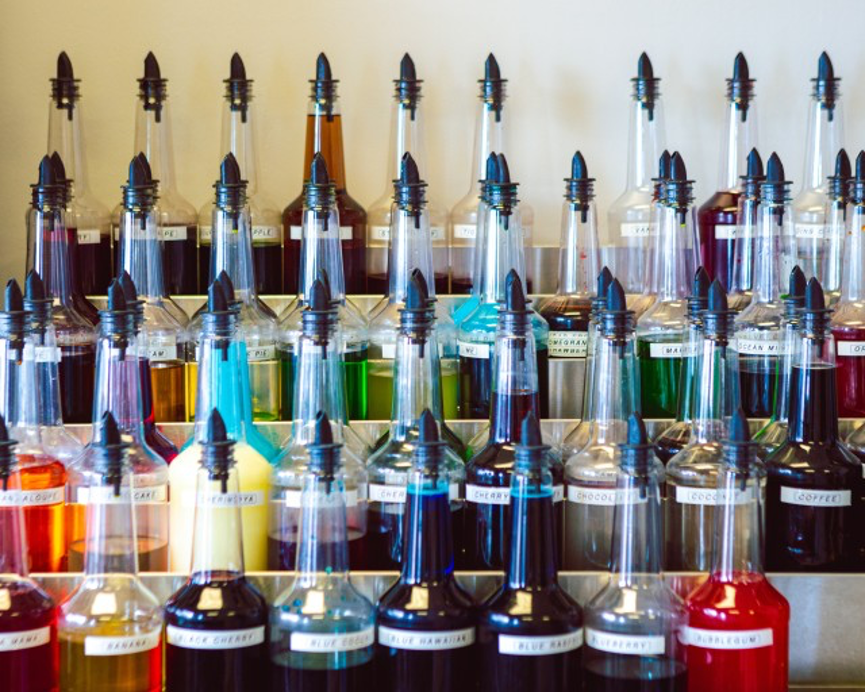
In many cafés, to increase the variety and fun of beverages, various themed specials are often launched, such as lavender lattes, cinnamon mochas, or creative drinks combining fruit flavors. These drinks often rely on the addition of syrups to present their vivid thematic characteristics.The creative coffee in the picture is a real-life example of crafting unique flavors by combining syrups..
However, not every type of coffee is suitable for adding syrup. For instance, coffees like Yirgacheffe, which have pronounced floral and citrus notes, may have their delicate layers overwhelmed if paired with strong watermelon or strawberry-flavored syrups, making the overall drink feel chaotic. Therefore, it is recommended to first understand the flavor profile of the selected coffee beans before deciding whether to add syrup, or even choosing a syrup type that complements the coffee’s inherent flavors.
For baristas, how to handle customer requests for large amounts of syrup is often a challenge in service. Although the adage “the customer is always right” is a golden rule in the service industry, sometimes excessive syrup not only masks the essence of the coffee but may also affect the overall drinking experience. There was a time when the internet circulated Starbucks’ “secret menu,” with some drinks requiring specially made containers due to the excessive types and quantities of syrups used.
The reason sweetness is so captivating actually has a scientific basis. When the human body consumes sweetness, the brain releases dopamine, a neurotransmitter associated with pleasure and reward mechanisms, which brings feelings of joy and satisfaction. This is also why sweet foods can easily lead to dependence or preference. That’s why many people, even when the coffee itself already has a moderate natural sweetness, still habitually add extra sugar or syrup.

From market data, according to a 2019 report by Grand View Research, Inc., the global flavored syrup market is expected to reach approximately $65.6 billion by 2025. In the coffee industry, syrups are not just flavoring tools but have become one of the core elements of beverage innovation and differentiation. For example, in the United States, about 80% of coffee consumers in 2020 customized their drinks in some way, with 7% choosing to add syrup, demonstrating its prevalence in everyday coffee consumption.
In summary, whether you prefer the pure original flavor of coffee or enjoy exploring diverse flavor creations through syrups, understanding the characteristics and usage of sugar and syrups can help you find the most suitable balance in your coffee journey. The next time you stand at the coffee counter, hesitating over whether to add sugar or which syrup to choose, consider this: do you want to taste the true flavor of the coffee, or embark on a flavor adventure?
The above content is compiled by CoffeeHunters, a coffee news website.


