







Introduction:The grind size of pour over coffee is a key factor influencing flavor, yet it’s also one of the most challenging parameters for beginners to master. This article uses an 80% passing rate through a #20 sieve as a benchmark to deeply analyze the differences in particle size distribution among various grinders, and provides practical tips such as hand grinder adjustments, step grinding, and fine particle management to help you precisely control grind size and brew pour over coffee with rich layers of flavor.
In the world of pour over coffee, grind size is often the most difficult variable to nail down. Some recommend using an 80% passing rate through a #20 sieve as a beginner-friendly tuning reference, but in reality, the performance of different grinders varies greatly—identical sieve percentages can lead to vastly different extraction results. This article will detail the limitations of the sieve method, explain the particle size characteristics of high-uniformity grinders like the EK43s, and offer multiple remedial solutions for less capable equipment, including key points for hand grinder operation, step grinding scale-back techniques, and adjustment directions when off-flavors occur.
It’s worth noting that the so-called “correct” grind size is never an absolute value. The 80% passing rate standard proposed by some professionals is a friendly starting point derived from long-term practice, especially suitable for coffee enthusiasts who are new to pour over. As you gradually delve deeper into this craft and understand the interplay of various parameters, you’ll naturally develop your own unique extraction philosophy.
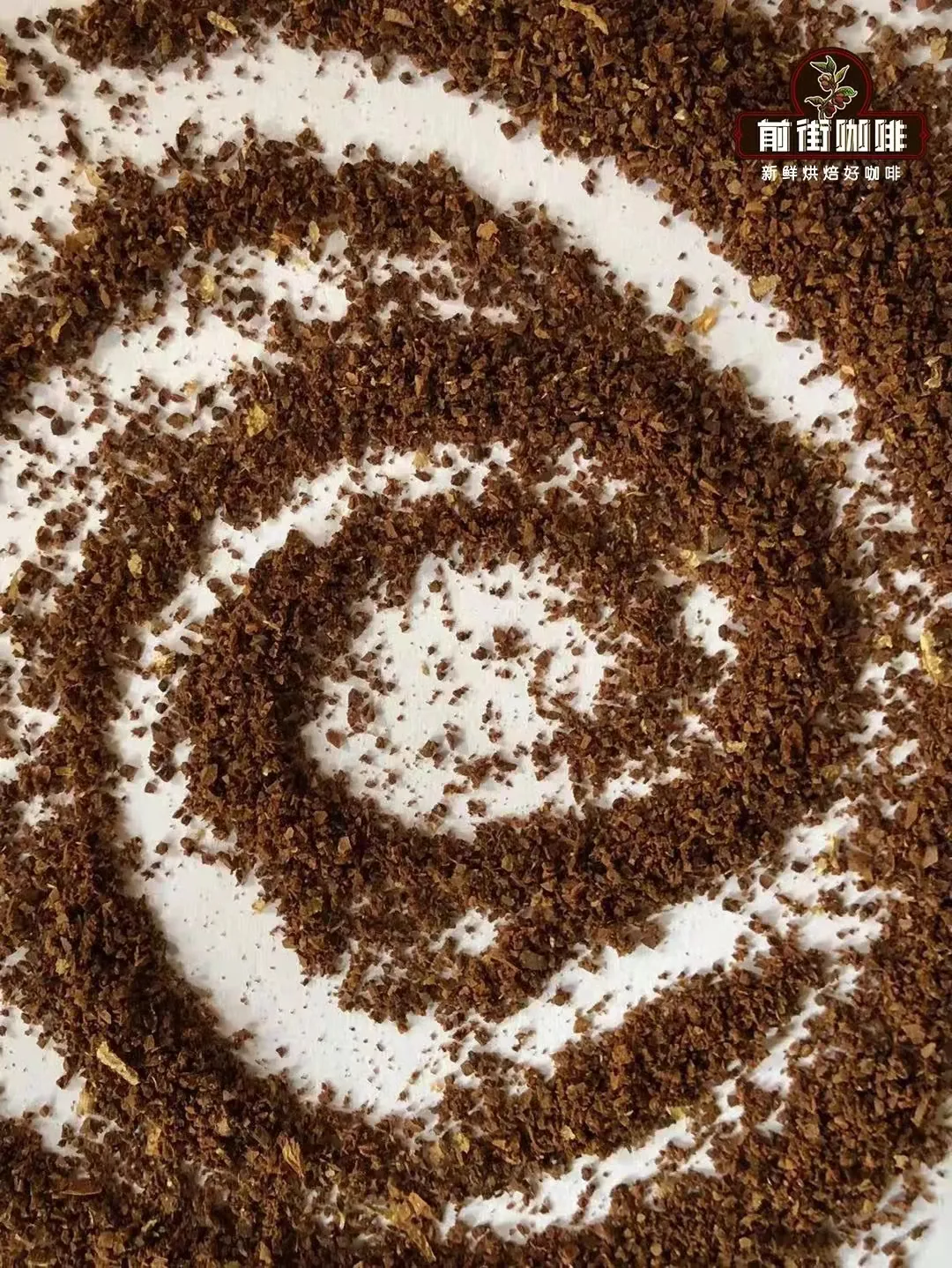
Take a high-end grinder like the EK43s, for example—it produces particles with excellent uniformity and an extremely low content of fine particles. Under this equipment condition, the powder obtained at an 80% passing rate through a #20 sieve is mainly distributed around 0.6mm, with the largest particles not exceeding 1mm and making up a negligible proportion. In contrast, ordinary grinders, even when achieving the same sieve rate, may still produce visibly uneven coarseness, and this inconsistency directly leads to uneven extraction, often resulting in common issues like off-flavors or a lack of flavor complexity.
If your budget allows, upgrading to a high-quality grinder is the most fundamental solution. But for most users, optimizing by adjusting grind parameters is the more practical approach. Hand grinder users should pay special attention to rotation speed control—faster spinning can effectively reduce the fine particles generated by bean explosion. It’s recommended to, on the basis of the existing 80% sieve rate, adjust the grind setting 2–3 clicks coarser and re-grind, then return the coarse particles that passed through the sieve (larger than 0.85mm) back to the grinder, and re-grind them at the same adjusted coarser setting. This can significantly improve particle uniformity.
When off-flavors appear during extraction, first check whether there is an excess of fine particles, then consider whether the water temperature is too high, stirring too vigorous, or the extraction time too long. Adjustment strategies should prioritize lowering the water temperature (recommended range: 88–92°C), using a gentler pouring technique, or shortening the total extraction time. As for whether additional fine particle sieving is needed, it depends on the actual flavor performance: if there’s only slight channeling without obvious off-flavors, no action may be necessary; if fine particles are confirmed to cause bitter or astringent off-flavors, then implementing a sieving process is advised.
Another practical tip is to use the “single pour” brewing method—quickly pouring most of the water and raising the coffee bed height, using the force of the water flow to push fine particles to the edge of the filter. This method requires no extra tools, can effectively mitigate over-extraction caused by concentrated fine particles, and maintains extraction efficiency. Remember, the ideal grind adjustment should result in coffee that exhibits clear fruit acidity, moderate body, and balanced aftertaste—not merely chasing a specific sieve percentage.
The above content is compiled by CoffeeHunters, a coffee news website.


