







Introduction:Bubble tea brands have been adjusting their pricing strategies, with Heytea even announcing price cuts on some drinks. However, in reality, toppings have become à la carte items, and there are minimum order requirements and delivery fees for takeout. So, has the total cost of buying a bubble tea really gone down? This article starts with the actual ordering process on the Heytea GO mini-program, analyzing the real cost of a 9-yuan pure Lu Yan tea with toppings and delivery fees. Through the current state of the tea beverage market and industry cost structure, we’ll help you understand the marketing logic behind this wave of “price cuts.”
Every morning, many office workers are accustomed to kicking off their day with a cup of coffee or bubble tea. Yet, when you think “lower-priced bubble tea” means “a better deal,” you might overlook those hidden extra costs buried in the details.
Heytea recently made headlines by claiming price reductions on some of its drinks. Take the pure Lu Yan tea, for example — its listed price has been lowered to 9 yuan, seemingly consumer-friendly. But when you go to the Heytea GO mini-program to select this product, ready to enjoy a low-cost treat, scrolling down reveals that there are no free toppings available.
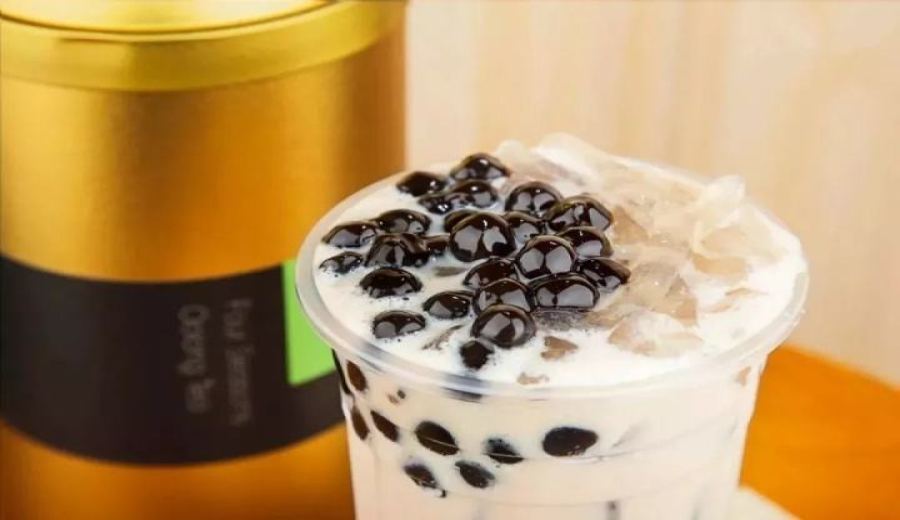
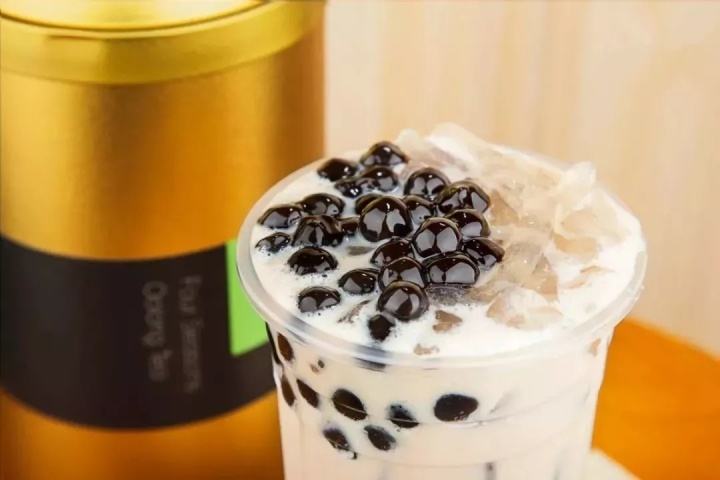
If you want to add common toppings like tapioca pearls, pudding, coconut jelly, or grass jelly, each one costs between 2 and 6 yuan, and you can add a maximum of just three per drink. In other words, even though the base tea is cheaper, adding just one or two toppings can quickly bring the total cost back up.
If you opt for delivery, there are other fees to watch out for. According to the Heytea GO mini-program, a single order must be at least 20 yuan to qualify for delivery, the delivery fee is 6 yuan, and there’s also a 1-yuan charge for an “Inspiration Thermal Bag.” As a result, a pure Lu Yan tea that originally costs 9 yuan, plus two or three toppings, delivery, and the thermal bag, could end up costing nearly or even more than its pre-discount price.
Some consumers have also reported that because ordering just a basic tea drink often doesn’t meet the 20-yuan minimum for delivery, they end up having to add extra drinks, which actually increases their overall spending. This kind of “price cut” strategy makes you wonder: are we really saving money?
In fact, the competition in the tea beverage market is extremely fierce, especially in first- and second-tier cities, where the number of tea shops often exceeds that of coffee shops. According to the "Tea & City: Heytea Urban Consumption Report," in some cities, non-restaurant beverage outlets are dominated by tea shops, reflecting their high market penetration.
Many tea brands are attempting to attract more consumers through price cuts or promotional offers, particularly as the premium market gradually becomes saturated. Expansion and market share capture have become key objectives. However, such marketing tactics often lead consumers to believe they’re getting real benefits, while unknowingly increasing spending on other items.
From an industry chain perspective, the production costs of tea beverages include rent, labor, raw materials, and packaging — especially in popular commercial areas, where high shop rents further drive up retail prices. A researcher from the Guangdong Tea Beverage Industry Committee once pointed out that the actual cost of a premium bubble tea is around 10 yuan or less, with gross margins typically maintained between 60% and 70%, indicating that brands still enjoy considerable profit margins.
Taking all these factors into account, so-called price cuts often only involve adjusting the listed price of a single item, while maintaining overall revenue through pricing strategies for other services or add-ons. For consumers, if you want to be cost-conscious, in addition to paying attention to the price of the tea itself, you also need to carefully review topping options, delivery thresholds, and additional fees to truly assess the actual cost of a drink.
The above content is compiled by CoffeeHunters, a coffee news website.


