







Introduction:In 2021, Indonesia hosted the COE (Cup of Excellence) competition for the first time, becoming the 14th coffee-producing country in the world to participate in this international evaluation. A total of 26 high-quality coffee beans were selected in this edition. Although none broke the 90-point barrier, the flavor descriptions featured more fruit notes, signaling that Indonesian coffee is gradually moving toward specialty status. This article delves into the flavor profiles of the award-winning beans, the background of the competition, and the potential impact of this shift on the future market.
In 2021, Indonesia’s coffee industry reached an important milestone—hosting the COE competition for the first time and officially joining the ranks of the 14 countries worldwide that hold the event. As the world’s fourth-largest coffee producer, Indonesia has long been known for its bold and rich Mandheling coffee and unique Kopi Luwak, but its image as a source of specialty coffee has not gained widespread international recognition. This competition selected 26 award-winning beans, with the champion scoring 89.82 points and the runner-up 89.04 points. Although these scores did not reach the elite 90-point level, they accurately reflect the current overall strength of Indonesian coffee.
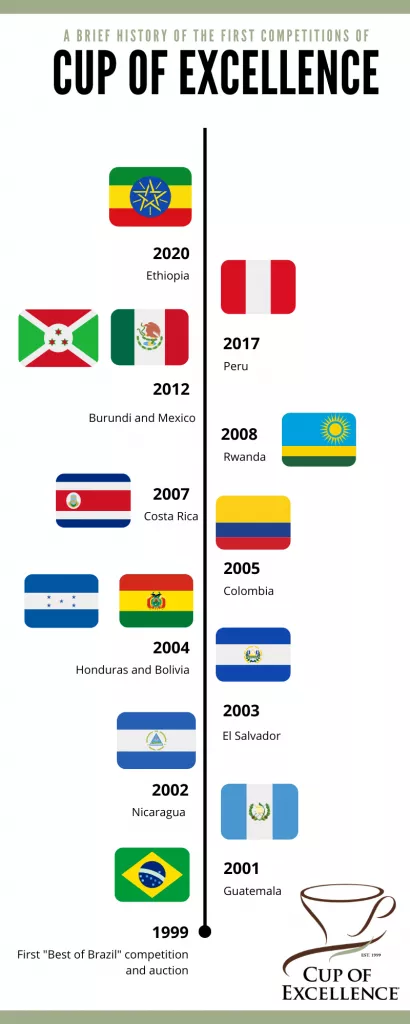
The COE (Cup of Excellence) is one of the most authoritative coffee quality evaluation competitions in the world, aiming to select the highest-quality coffee beans from each participating country for that year. A team of international professional cuppers evaluates the beans according to strict criteria, and only those scoring above 87 points qualify for the auction, typically the top 30, which are then publicly bid on globally. Hosting the COE competition signifies that a country has the potential to produce world-class specialty coffee, though it’s worth noting that not all specialty coffee-producing nations host COE events—for example, Panama primarily holds the BOP competition.
As a globally significant coffee-growing region, Indonesia has historically had low participation in the specialty coffee sector, largely due to factors such as altitude, variety diversity, and cultivation management techniques. Traditionally, Indonesian coffee has been described as having herbal, spicy, earthy, and wild notes—traits that, while distinctive, differ somewhat from the fruitiness and bright acidity preferred in today’s specialty coffee market. The inaugural COE competition in Indonesia not only marks international recognition of the quality of its coffee, but also signals a transformation within the local coffee industry.
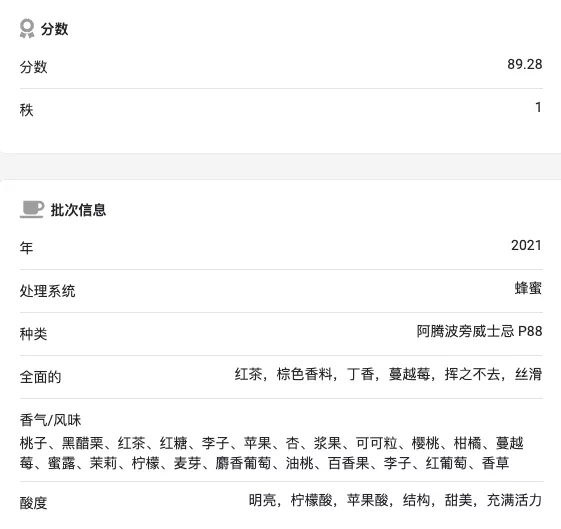
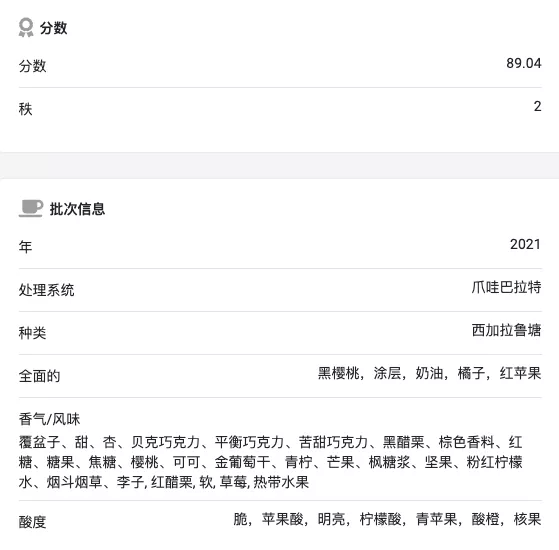
Looking back at the first COE competition in Indonesia in 2021, 26 award-winning coffee beans were selected. Though the number was large, several representative samples already showed clear signs of transformation. For instance, the first and second place winners scored 89.82 and 89.04 points respectively. These two beans not only exhibited Indonesia’s traditional spice and chocolate profiles, but also surprisingly presented distinct fruit flavors such as cranberry, orange, and cherry. This change represents a major flavor breakthrough for Indonesian coffee, which has long been characterized by boldness and even slightly earthy tones.
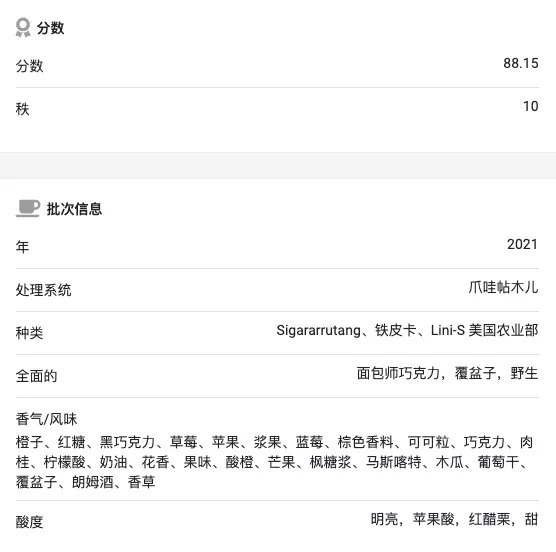
A closer look at the flavor profiles of these award-winning beans reveals that higher-ranked samples tend to emphasize bright acidity and fruity notes, such as citrus and berries, while lower-ranked beans are dominated by sweetness, sugar-like qualities, and softer fruitiness. This difference may be related to the COE scoring system’s emphasis on acidity and clarity, and also reflects the mainstream evaluation criteria in today’s international specialty coffee market. Industry experts point out that although this transformation trend is clear, it will take Indonesia at least ten years to fully transition to a fruit-forward, acidity-driven specialty coffee profile, requiring adjustments in cultivation and processing techniques.
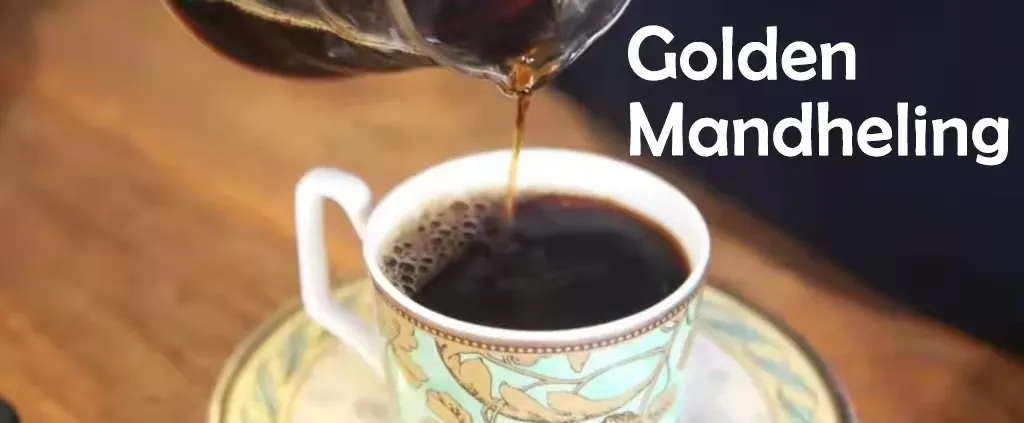
Indonesia, known globally for its bitter-tasting coffee, has long been favored for its traditional dark roast style. However, as global specialty coffee consumption trends shift toward brighter acidity and richer fruitiness, Indonesia must undertake deep reforms in cultivation altitude, variety selection, and post-harvest processing techniques if it hopes to enhance its international competitiveness. Hosting the COE competition not only recognizes the quality of local premium coffee, but also provides Indonesian coffee farmers with a clear direction for specialty development, motivating them to aim for higher-quality green beans.
It’s worth noting that this flavor transformation didn’t happen overnight. Even though some award-winning beans have begun to show fruity notes, overall, Indonesian coffee remains primarily characterized by its unique spice and herbal aromas, which are also key factors that set it apart in the international market. For coffee enthusiasts looking to explore the evolution of Indonesian coffee, starting with COE award-winning beans offers the best entry point to understanding its journey toward specialty status.
Looking ahead, although the path to transformation for Indonesian coffee is long, it has already taken a crucial first step. With more farmers engaging in the cultivation and processing of specialty coffee, and growing international market acceptance of diverse flavor profiles, we have reason to believe that Indonesian coffee will present an even more diverse and layered flavor experience in the near future. For coffee professionals and enthusiasts alike, paying attention to this transformation is not only a way to capture market trends, but also an opportunity to discover more surprises during the tasting experience.
Finally, looking back 40 years, the global coffee market was almost entirely dominated by dark roasts. Today’s familiar landscape of diverse flavors and the popularity of light to medium roasts is the result of long-term evolution. The specialty trend in Indonesian coffee may well be the prelude to the next revolution in coffee flavor.
The above content is compiled by CoffeeHunters, a coffee news website.


