








Introduction:Want to become a barista but not sure what the job actually entails? This article takes an in-depth look at the real salaries, job responsibilities, and skill requirements of baristas in both chain and independent coffee shops. From the workplace environment, customer interactions, to career development, it helps you understand this seemingly romantic yet highly challenging job, assisting you in making a more realistic career choice.
Many people have a romanticized view of the barista profession: working in a cozy, sunlit space, brewing pour over coffee while listening to soft jazz, drawing intricate latte art, and enjoying a laid-back, artsy daily life. However, the reality of being a barista is often far from this idealized image.
Whether in a chain coffee brand or a specialty café, baristas often wear multiple hats. In addition to making coffee, they’re also responsible for cleaning, greeting customers, and even participating in tasks like new store planning and bar setup. Salaries are generally low, and the workload is quite heavy — the hardships behind this job are often understood only by those who live it.

What many see on social media or in movies about a barista’s daily routine is often overly glamorized: brewing coffee leisurely in a quaint, artsy little shop, chatting softly with customers, spending the day in peace. But the truth is, such scenes exist only in rare moments, and could even be described as “idealized snippets.”
Many baristas already in the industry admit: “Being a barista is not just a job, it’s more like a lifestyle — unfortunately, that attitude doesn’t often translate into stable income.” Some even say bluntly, if you can’t accept low pay and high-intensity work, it’s wise to think carefully before entering this field. In fact, if a barista is only responsible for brewing and basic service, their income often barely covers living expenses; if they also take part in new store preparation or bar design, then it’s practically a full-time job with no personal time — just doing odd jobs.
Yet these realities are often overlooked. Many aspiring baristas only see the artistic side of coffee making, while ignoring the inherently tough nature of the service industry.The skills required of a barista are far more diverse than you might imagine, including not only mastering basic techniques like pour over, espresso extraction, milk frothing, and latte art, but also possessing strong communication skills and stress resilience to deal with all kinds of customers.
As for the types of customers, they vary wildly.Common customer types can be divided into three main categories: the first are relatively quiet regular customers who place an order and quietly enjoy their coffee; the second are self-proclaimed coffee experts who are often critical and may question the barista on various aspects, though they may show respect if met with professionalism; the third are assertive individuals who can leave baristas feeling helpless. Not every customer is a hipster, and not every coffee shop is filled with a relaxed atmosphere.
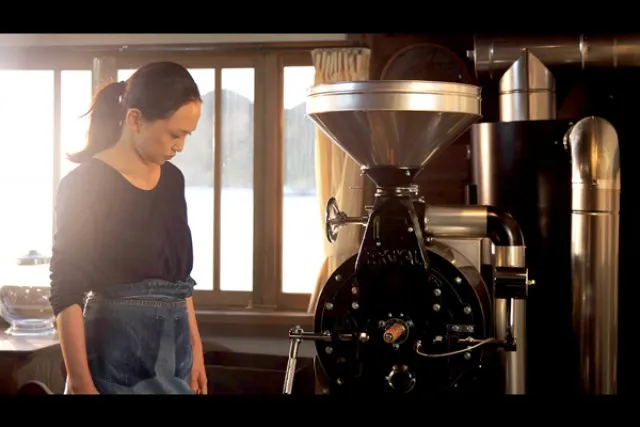
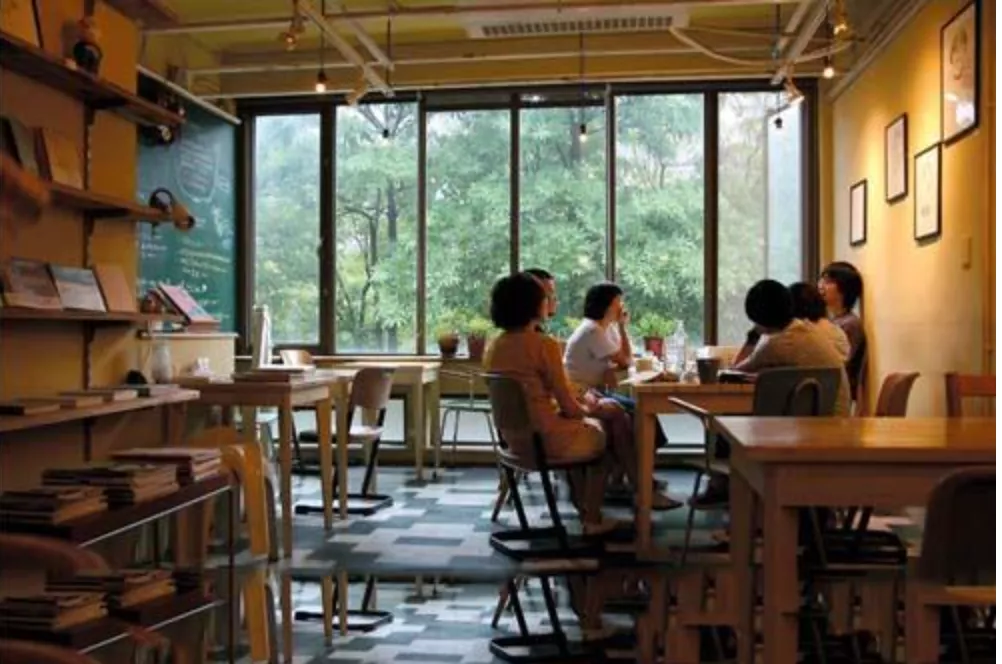
Additionally, many cafés that combine elements like bookstores, light meals, or fashion have even more varied roles for baristas. On the surface you might be a barista, but in reality, you’re also a waiter, cleaner, or even handling tasks completely unrelated to coffee. In some shops, coffee preparation isn’t even the busiest part — instead, dealing with takeout orders, operating the cashier, and maintaining the store environment take up most of the time and energy.
Some readers have also shared experiences of visiting seemingly laid-back cafés where the staff and owner were just scrolling through their phones or laptops. But there are usually two possible reasons for this: either the café’s main revenue comes from e-commerce or other online channels, and the physical store is merely for display; or the shop might be struggling financially, with the owner barely holding on. For those considering entering the industry, these realities are worth taking into account.
Moreover, many aspire to become baristas because they mistakenly believe they can brew and taste coffee without limits, but in realityoverexposure to the same thing can easily lead to burnout. Without genuine passion and motivation to learn, it’s easy to feel bored. Furthermore, the coffee industry covers a wide range of areas — from cultivation and roasting, to brewing methods and industry trends — all of which require continuous learning in order to convey accurate information and cultural value to novice coffee drinkers.
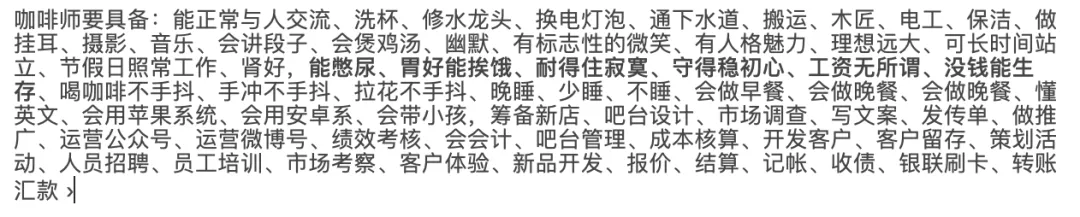
Many industry insiders say that they only realize after joining the field how big the gap is between reality and ideal. Especially for baristas working in chain coffee shops, they are often likened to “coffee robots” — although this role can train good service attitudes and operational management skills, it offers relatively low creativity and autonomy. In specialty cafés, while there may be more opportunities to learn and grow, the pace of work is not necessarily as leisurely as outsiders imagine, and one might even be swamped with non-coffee-related tasks.
It’s worth mentioning that some industry professionals jokingly say “the best-selling item in coffee shops is actually lemon tea,” which, while a joke, does reflect the reality that many cafés have to cater to mass-market preferences to survive. If you’re drawn to the glamorous image of being a barista or the relaxing act of brewing coffee, without deeply considering the actual challenges of the job, you may end up disappointed after a short trial.
In summary, the barista profession does have its charm and learning value, whether in chain or independent coffee shops, and can cultivate different levels of ability. But if you enter the field based solely on romantic notions, you may face a huge gap between ideal and reality. It’s recommended that those interested first thoroughly understand the current state of the job market, assess their own conditions and career goals, in order to make the most suitable choice for themselves.
The above content is compiled by CoffeeHunters, a coffee news website.


