







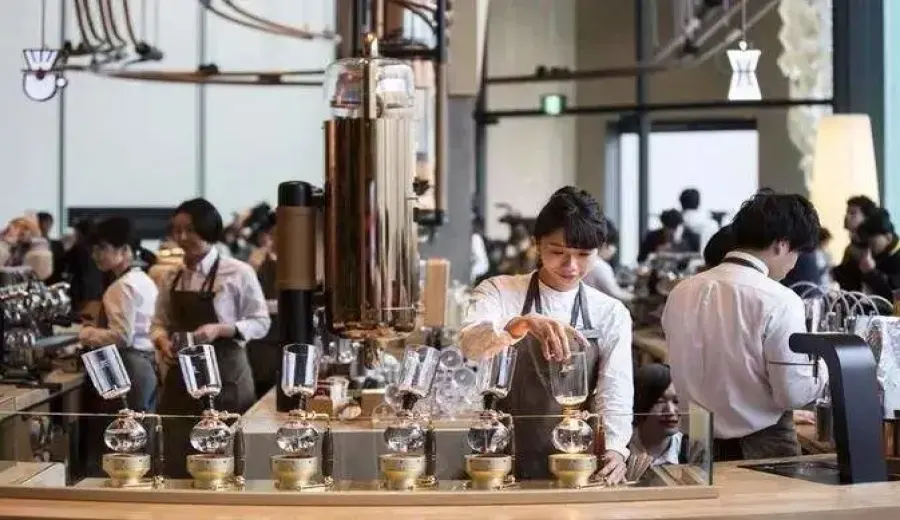
Introduction:Starbucks’ coffee prices are noticeably higher than those of most chain brands, yet it has maintained long-term popularity. The reason behind this is not just brand effect, but also involves its unique positioning as the “third place” and precise market strategy. This article takes an in-depth look at how Starbucks creates an irreplaceable consumer experience through space design, target customer focus, and high-cost operational models, while also exploring the deeper business logic behind its refusal to engage in price competition.
Among many chain coffee brands, Starbucks has always stood out with its relatively higher pricing, yet it still enjoys steady foot traffic. This phenomenon is not solely due to raw material costs, but rather the result of brand positioning, spatial value, and a specific consumer demographic. From its commitment to a premium route to the implementation of the “third place” concept, Starbucks has successfully attracted business professionals and leisure customers, and the commercial thinking behind it is worth exploring in depth.
Many people wonder why Starbucks doesn’t join the ranks of low-price promotions. In fact, once drawn into a price war, it could not only hinder the brand’s long-term development but also dilute its premium image. Suppose Starbucks suddenly lowers its prices—consumers might immediately wonder: “Has the quality of the coffee gone down?” or “Is it struggling to survive in the Chinese market?” These doubts would directly impact brand trust.
Therefore, even in the face of external criticism about being “too expensive,” Starbucks chooses to maintain its “aloof” strategy. Its core customer base mostly consists of business professionals who often need more than just a cup of coffee—they need a place where they can focus on work or conduct business meetings. For consumers who truly pursue coffee flavor, chain coffee shops are never the first choice.
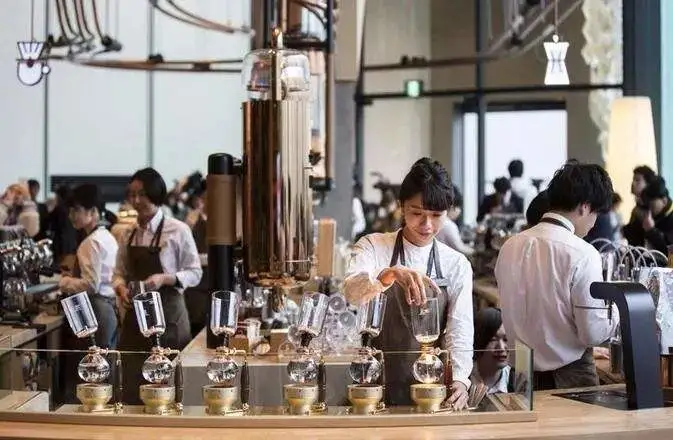
The “third place” concept that Starbucks adheres to becomes even more valuable in today’s efficiency-driven era where space comes at a high cost. From the comfortable seating areas inside the stores, to the independent meeting spaces provided for business professionals, and even the launch of “1971 Lounge” to meet diverse needs such as gatherings, work, and study, Starbucks is committed to creating an environment that is both relaxing and highly functional. Such space design allows busy urban dwellers to find a breathing space between work and life pressures.
Some describe Starbucks as a modern-day “urban oasis.” Even though its prices are relatively high, it provides a hard-to-replace social and work space. As the Cantonese saying goes, “If you eat salted fish, you must be prepared to be thirsty”—enjoying a comfortable space also means accepting a relatively higher price. This is precisely Starbucks’ clear positioning of its target market: not winning by price, but attracting consumers with the overall experience.
Many consumers believe the main reason for Starbucks’ higher prices lies in its cost structure. In addition to obvious material costs, there are also high rents, utilities, taxes, labor costs, and hidden expenses such as store design and decoration. Especially in first-tier or popular commercial areas, rent and renovation costs often account for a significant proportion of total costs. These investments are ultimately reflected in the selling price and are also one of the key factors supporting its premium image.

It is worth noting that different consumer groups define value differently. Some people focus on the essence of coffee flavor and extraction details, preferring specialty coffee shops or home pour over; while others prioritize environment, convenience, and social functionality—Starbucks meets these needs perfectly. Everyone’s consumption choices should be based on their own needs and budget, without judging value by others’ standards.
The relationship of supply and demand is like marriage—it’s a two-way choice. Starbucks doesn’t need to lower its prices to attract non-target customer groups just to expand its customer base, and consumers should also choose the right coffee venue based on their own needs. Being clear about your own consumption purpose and choosing the brand and environment that best suits you is the wise move. Through high-quality spaces and a consistent brand experience, Starbucks has successfully built a market position that is hard to replicate, which is also the core advantage of its long-term stable operation.
The above content is compiled by CoffeeHunters, a coffee news website.


