








Introduction:South Korea’s largest coffee chain, EDIYA COFFEE, has announced its upcoming launch on Tmall, initially focusing on instant coffee, capsule coffee, and blended tea, in an attempt to enter the Chinese market via e-commerce. This is not its first attempt to penetrate China, but previous efforts failed due to various reasons. Now, by testing the waters with instant coffee, it may later expand into physical stores. What’s different about this strategy? Let’s take a look at EDIYA COFFEE’s plans and challenges.
EDIYA COFFEE (also known as Yidiyah Coffee), the Korean coffee chain with the most brick-and-mortar stores, has recently revealed new moves, with plans to officially enter the Tmall platform within just one month. Initially, it will focus on multiple products including instant coffee, capsule coffee, and blended tea. This is not the brand’s first attempt to enter the Chinese market. As early as 2005, EDIYA COFFEE established a branch in Beijing, but due to poor market response, it withdrew after just three years. In 2018, although it announced plans to return to China and intended to open physical stores in Beijing, it put those plans on hold again due to the rapid rise of domestic brands such as Luckin and Manner at the time.
This time, EDIYA COFFEE has chosen cross-border e-commerce as its entry point back into the Chinese market, targeting the continued high demand among Chinese consumers for instant and capsule coffee. According to market data,as of 2020, instant coffee still accounted for as much as 52.4% of China’s overall coffee market. Although freshly brewed coffee has been on the rise in recent years, instant products still hold a significant market share. By choosing to enter through the Tmall platform and promoting its popular instant and capsule series in the Korean market, EDIYA COFFEE also demonstrates its observation of Chinese consumer preferences and strategic adjustment.
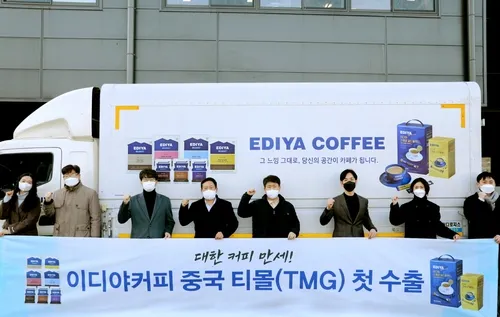
In fact, EDIYA COFFEE has previously exported its instant coffee to overseas markets such as Mongolia, Australia, and the United States. Entering the Chinese e-commerce channel is seen by the brand as an important step in expanding its international market presence. In addition to instant coffee, its Tmall flagship store will also launch capsule coffee and blended tea—products that have enjoyed steady popularity in the Korean domestic market. The brand is optimistic about their reception in the Chinese market as well.
A deeper analysis of consumption trends in the Chinese coffee market reveals a clear shift:although instant coffee remains the mainstream, the share of freshly brewed coffee is steadily increasing. Industry analysts predict that by 2023, freshly brewed coffee could account for over 51% of the Chinese market, while instant coffee may drop to below 40%. Against this backdrop of changing market structure, EDIYA COFFEE’s choice to first enter via e-commerce, starting with convenient and affordable products like instant and capsule coffee to build brand awareness, is undoubtedly a steady move.
So why isn’t EDIYA COFFEE opening physical stores in China directly? In fact, the brand has made multiple attempts in the past, but none have succeeded. As early as September 2005, EDIYA COFFEE established a branch in Beijing and officially entered the Chinese market. However, the market response was lukewarm, and the brand had to withdraw after only three years. Then, in 2018, the brand observed that the Chinese coffee market was about to enter a boom period, and on October 17 of that year, it announced plans to open its first boutique coffee store in Beijing in 2019. However, the rapid expansion of domestic brands such as Luckin and Manner led EDIYA COFFEE to once again postpone its plans, and to this day, it has yet to open any physical stores in China.
Now, with the pandemic situation in China stabilized and the consumer market gradually recovering, coupled with the fact that e-commerce platforms have become the preferred channel for many overseas brands entering China, EDIYA COFFEE has chosen to start with Tmall. By leveraging promotional activities and online exposure to build brand recognition, it plans to later evaluate a return to the physical retail market based on market conditions. This strategy reduces risk and allows for more flexible testing of market response.
Founded in 2001, EDIYA COFFEE opened its first physical store in the same year and grew at an astonishing rate: by August 2003, it had over 100 stores; by October 2006, it reached 200 stores; and by September 2016, it had surpassed 2,000 stores globally, solidifying its position as the leading Korean coffee chain brand and one of the most representative coffee companies in Korea. With its affordable prices and consistent product quality, EDIYA COFFEE enjoys a high level of brand loyalty among Korean consumers.
However, this time as it re-enters the Chinese market, EDIYA COFFEE faces a very different competitive landscape. In the online market, it contends with emerging brands like Saturnbird, Yongpu, and Yucatan River, while offline it competes with long-established domestic chains like Luckin and Manner. Amid such fierce competition, whether EDIYA COFFEE can successfully test the waters with instant coffee and then further expand into physical stores will be a key point to watch in the future.
The above content is compiled by CoffeeHunters, a coffee news website.


