







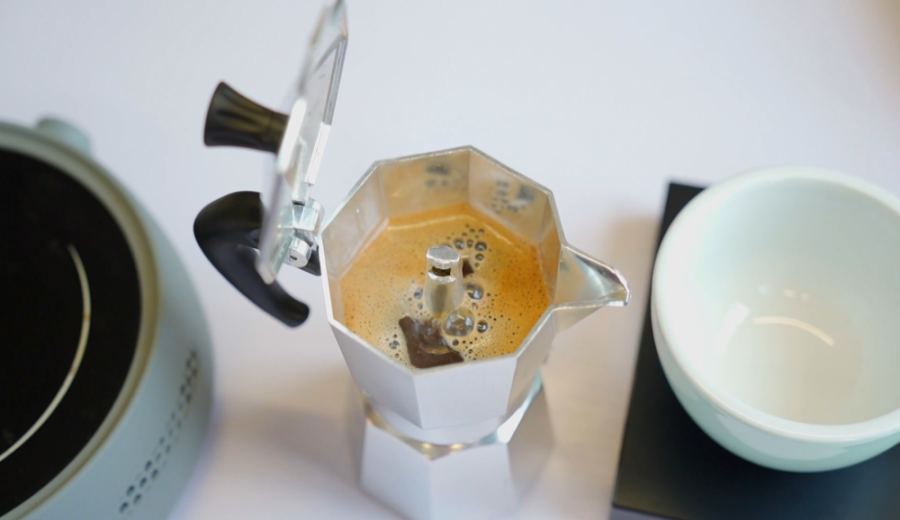
Introduction:Want to brew rich and smooth espresso with a double-valve moka pot? This guide will detail powder dosage control, grind size, water temperature, and pressure techniques, while analyzing key factors that influence flavor during extraction. Step-by-step, it covers everything from filling the coffee chamber and water level to the timing of heating, helping you master professional-level operation details. It also explains suitable types of coffee beans and how to avoid common mistakes.
The moka pot is a popular home espresso brewing tool, and the double-valve design is favored by many coffee enthusiasts for its ability to provide higher pressure (approximately 2–3 Bar), resulting in more intense coffee with a rich crema. However, compared to professional espresso machines, the pressure of a moka pot is still relatively low, and its higher water temperature can easily lead to burnt or bitter flavors. Therefore, understanding the correct extraction parameters and operational details is especially important.
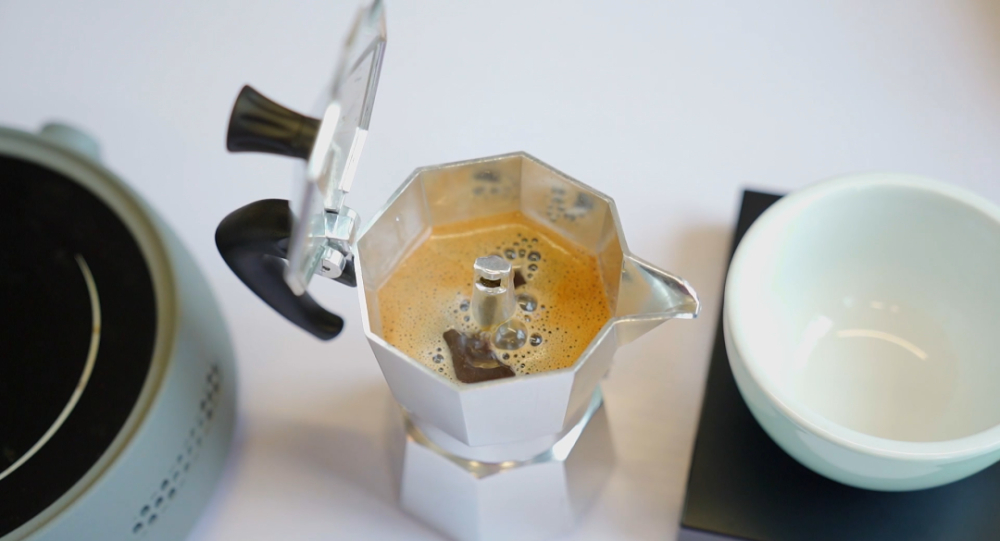
Common moka pots come in single-valve and double-valve types. A single-valve moka pot relies on natural steam pressure to extract coffee, producing only about 1 Bar of pressure, resulting in dark-colored coffee with relatively little crema. In contrast, a double-valve moka pot features an additional valve at the spout, effectively increasing the pressure to 2–3 Bar. The resulting coffee not only has a richer mouthfeel but also a more refined and abundant layer of crema (coffee foam). If you’re aiming for a café-quality espresso-like taste, a double-valve design is recommended.
Using a moka pot has many advantages, such as simple operation and affordable equipment pricing, allowing you to enjoy strong coffee at home without the need for an expensive machine. However, it also has limitations—for example, the high water temperature can release too many bitter substances, and compared to professional espresso machines, its maximum pressure is only around 2 Bar, falling short of the 9 Bar standard for espresso. As a result, the extracted coffee may differ in complexity and finesse. Nonetheless, for a quick and rich cup of coffee in daily life, the moka pot remains a very practical tool.
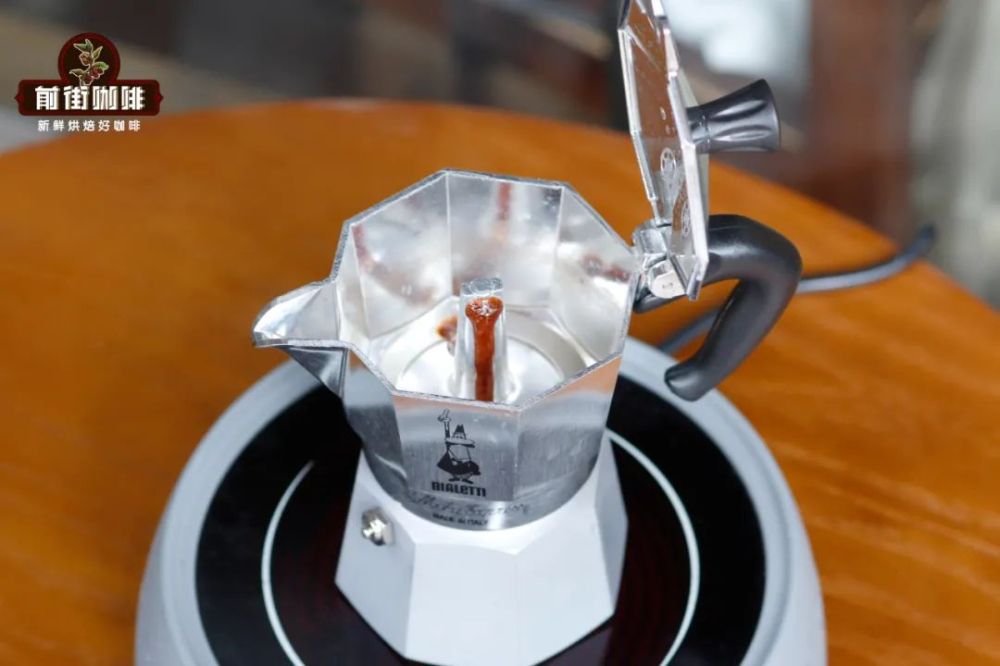
Many people wonder: can a moka pot use finely ground coffee? The answer is conditional. Since the moka pot uses pressure-based extraction, the grind size should be between pour over and espresso—finer than typical pour over, but slightly coarser than commercial espresso grind. If the grind is too coarse, water flows through too quickly, leading to under-extraction and weak coffee flavor. If it’s too fine, it creates excessive resistance, which may prevent coffee from flowing properly or even cause dangerous situations like the pot exploding or hot liquid spraying due to excessive pressure. It’s generally recommended to adjust an EK-43s grinder to #3–3.5 settings. If you're unsure, check the gaps in the coffee chamber to ensure coffee powder doesn’t seep through.
As for coffee bean selection, due to the moka pot’s high coffee-to-water ratio and short extraction time, medium to dark roasted beans better showcase bold flavors. Light roast beans are usually harder in texture, and if ground too fine in an attempt to improve extraction, they can produce sour, astringent, or unpleasant off-flavors in high-pressure and high-temperature environments, along with insufficient crema release. Therefore, it’s advisable to choose medium to dark roasted coffee beans, which not only release aroma more easily but also help form a rich crema. For beginners, it’s recommended to select well-reviewed medium to dark roast blends, which typically have stable flavors like caramel, chocolate, and nuts, making them suitable for moka pot extraction.
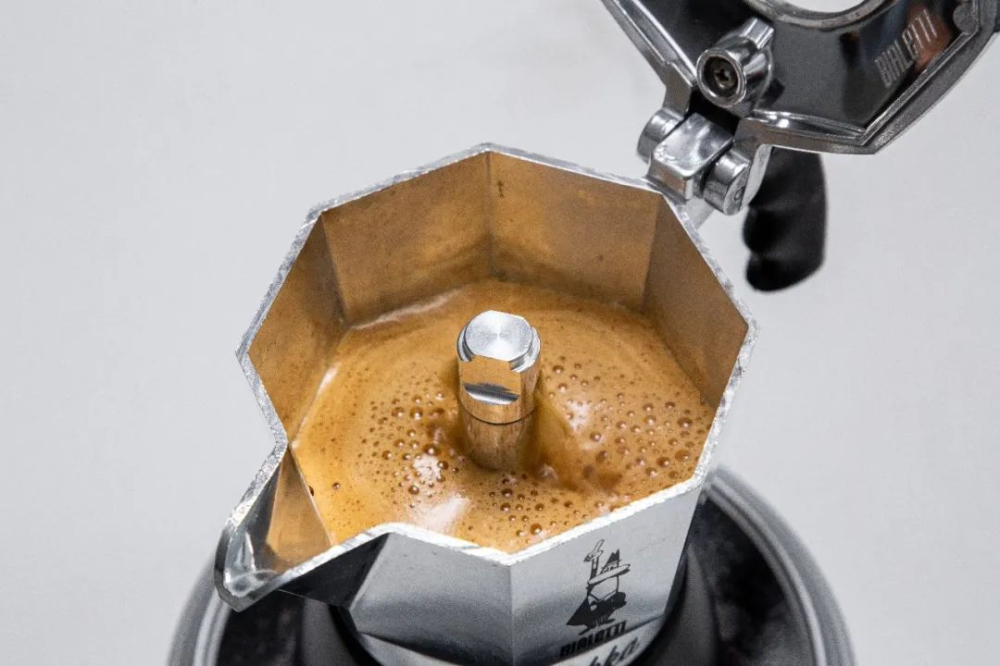
In practice, every step of using a moka pot affects the final flavor. First, it’s recommended to use fresh, clean hot water and fill the lower chamber to about 0.5 cm below the safety valve to avoid submerging it, which could be dangerous if the coffee chamber becomes blocked. Next, take the appropriate amount of ground coffee (for a three-cup moka pot, about 18g), evenly fill the coffee chamber to about nine-tenths full, and gently level the surface with your finger—do not tamp it down forcefully, as this can affect water flow speed. After assembling the upper and lower chambers, it’s best to heat with low to medium flame, ensuring the flame does not extend beyond the base of the pot. When you hear a “hissing” sound, it means pressure is starting to build. At this point, reduce the flame. Once about half the coffee has flowed into the upper chamber, turn off the heat and let residual heat complete the final extraction.

The resulting coffee usually has a rich aroma, such as whiskey, vanilla, cream, and berry acidity, accompanied by the aftertaste of roasted nuts. If you prefer a lighter taste, you can add hot water to adjust it; pairing with milk can bring out a chocolate-like sweetness. Additionally, the moka pot should be cleaned promptly after use to avoid coffee grounds residue, which can cause odors or block filters, gaskets, and extraction channels, affecting future use and flavor quality.
The above content is compiled by CoffeeHunters, a coffee news website.


