








Introduction:Water temperature is one of the key factors that influence the flavor expression of pour over coffee. But what is the ideal temperature? Does a higher temperature always mean better extraction? This article delves into the principles of dissolution to help you understand how water temperature affects extraction efficiency and flavor profile. Combining experimental data and competition strategies, it provides clear and practical guidance to help you avoid common mistakes and brew more balanced, layered coffee.
What is the optimal water temperature for pour over coffee? Does a higher temperature guarantee a more complete and tastier extraction? Many beginners and even experienced coffee enthusiasts have wondered about this. Starting from common everyday examples of dissolution, this article explains in simple terms how water temperature impacts coffee extraction. Through cupping and pour over experiments, it shows how flavor changes at different temperatures, helping you master this seemingly simple yet crucial technique.
Let’s start with a relatable example—brewing instant drinks. When using freshly boiled 100°C water, most ingredients dissolve almost instantly; with warm water, some still dissolve but may require stirring; and with cold water, even vigorous stirring may leave many components undissolved. This illustrates a key point: water temperature directly affects the rate and extent of dissolution. Coffee beans contain a complex mix of compounds—some highly water-soluble and responsible for desirable flavors, while others can produce bitterness or astringency when dissolved. Choosing the right water temperature helps extract the desirable compounds while minimizing unwanted off-flavors.

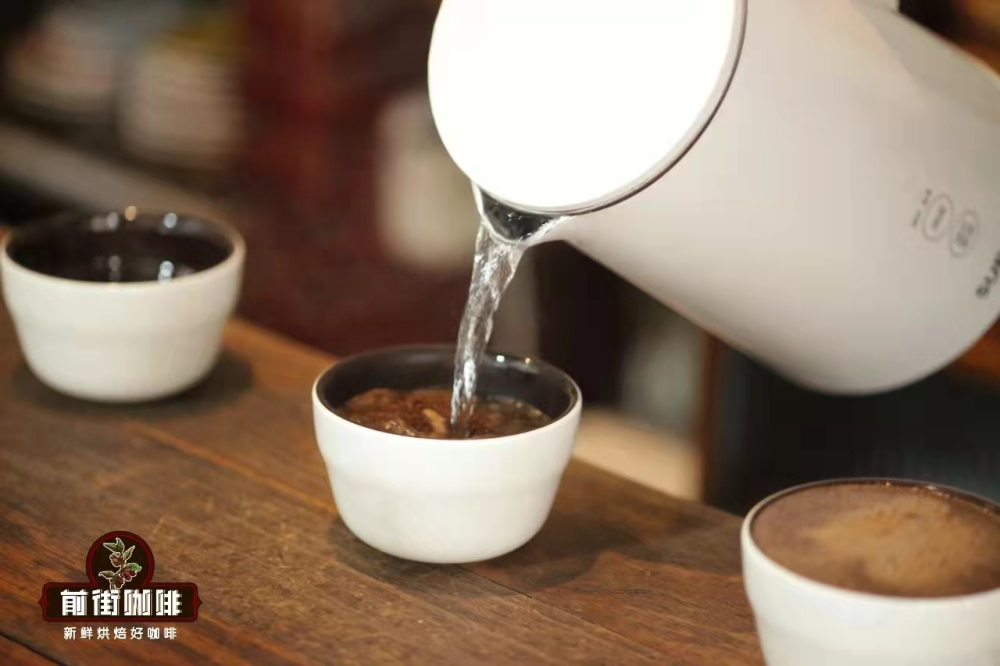
To isolate the impact of water temperature on coffee extraction, we can refer to immersion experiments in cupping. The test used three water temperatures: 80°C, 94°C, and 100°C, all with a consistent four-minute steeping time. Actual temperature readings showed that the 100°C group dropped from 91°C to 79.4°C during brewing; the 94°C group from 87°C to 75.3°C; and the 80°C group from 75.3°C to 65.2°C. In terms of taste, the 100°C group exhibited bright, vibrant fruit acidity and a solid mouthfeel in the first five minutes, with rich floral and fruity notes, but after about twenty minutes, noticeable bitterness and off-flavors emerged. The 94°C group had a slightly delayed flavor development, with a gentler and more stable balance of acidity and sweetness, though mild off-notes appeared after about half an hour. In contrast, the 80°C group tasted weak in the first five to nine minutes, showing only faint fruity sweetness, and only around ten minutes did softer, fuller fruit flavors and subtle sugarcane sweetness emerge. Overall, it was more subdued, and no undesirable off-flavors appeared even after extended time.
This shows that with a fixed grind size and varying only water temperature, higher temperatures help release more flavor compounds, resulting in more expressive aromas, but also carry a risk of off-flavors. Lower temperatures yield more restrained and stable flavors, though with potentially flatter aromas. However, it’s important to note that cupping uses immersion extraction, where a large amount of hot water is added at once, causing the temperature to gradually drop during actual extraction. Additionally, the coffee grounds remain static, leading to slower release. Therefore, it differs significantly from the filtered extraction method used in pour over.
Next, let’s look at water temperature changes during the pour over process. According to measured data, when brewing with 90°C water, the actual temperature in contact with the coffee bed is around 84.5–86°C; with 93°C water, it’s between 85–88°C. Although the initial set temperatures differ by 3°C, the actual temperature difference during extraction narrows to 1–3°C. Nonetheless, under the same grind size and technique, the flavor difference between the two is still distinctly noticeable.
Pour over is a continuous pouring filtration extraction method. Compared to static immersion, it maintains relatively stable water temperature, and the pouring flow stirs the coffee bed like agitation, enhancing overall extraction uniformity and efficiency. This is why beginners are advised to use more conservative and narrow water temperature ranges to reduce the risk of failure due to improper technique or imbalanced parameters, thereby increasing the chances of brewing delicious coffee.

Now let’s discuss competition-level strategies. For example, in the World Barista Championship (WBrC), many competitors use high temperatures of 95°C to 96°C for extraction. Some champions even alternate between high and low temperatures, such as 80°C and 95°C, or 93°C and 88°C, to highlight the bean’s multi-layered flavors. But these strategies rely on a high level of control over bean quality, grind precision, and technical execution. For average consumers without the same conditions, blindly chasing high temperatures can easily amplify defects or lead to over-extraction.
In summary, water temperature plays a pivotal role in coffee extraction, influencing not just aroma release but also the balance of acidity, sweetness, and bitterness. If your brews consistently fall short of expectations, don’t rush to blame your technique—take a closer look at your water temperature settings and whether your grind size matches. With scientific understanding and accumulated hands-on experience, you too can brew a cup of coffee with clear flavors and distinct layers using the pour over method.
The above content is compiled by CoffeeHunters, a coffee news website.


