







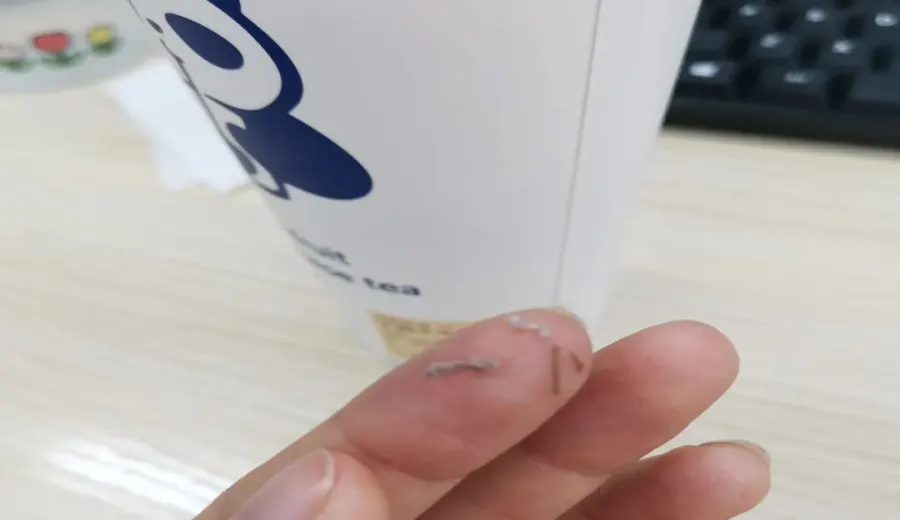
Introduction:When consumers found foreign objects resembling paper scraps and twigs in drinks from Heytea, it raised many concerns about beverage quality control. The brand responded by explaining that these were actually sweet potato roots naturally present in the taro paste ingredient. This article will take you through the full story of the incident, the official statement from the business, and supplement it with practical knowledge related to coffee quality control to help you better understand the details and challenges in beverage production.
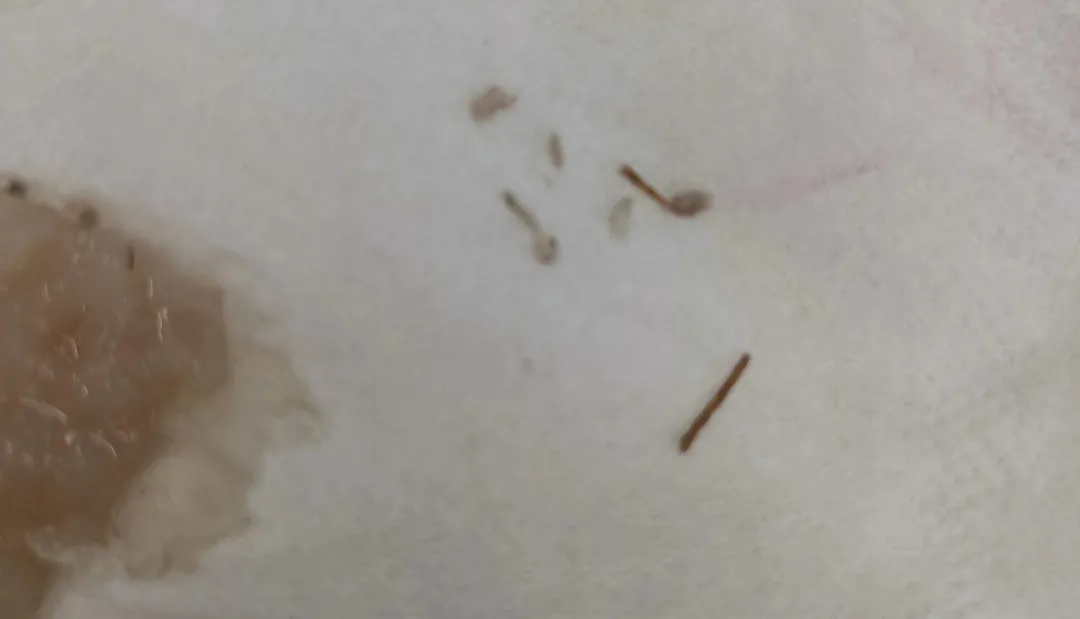
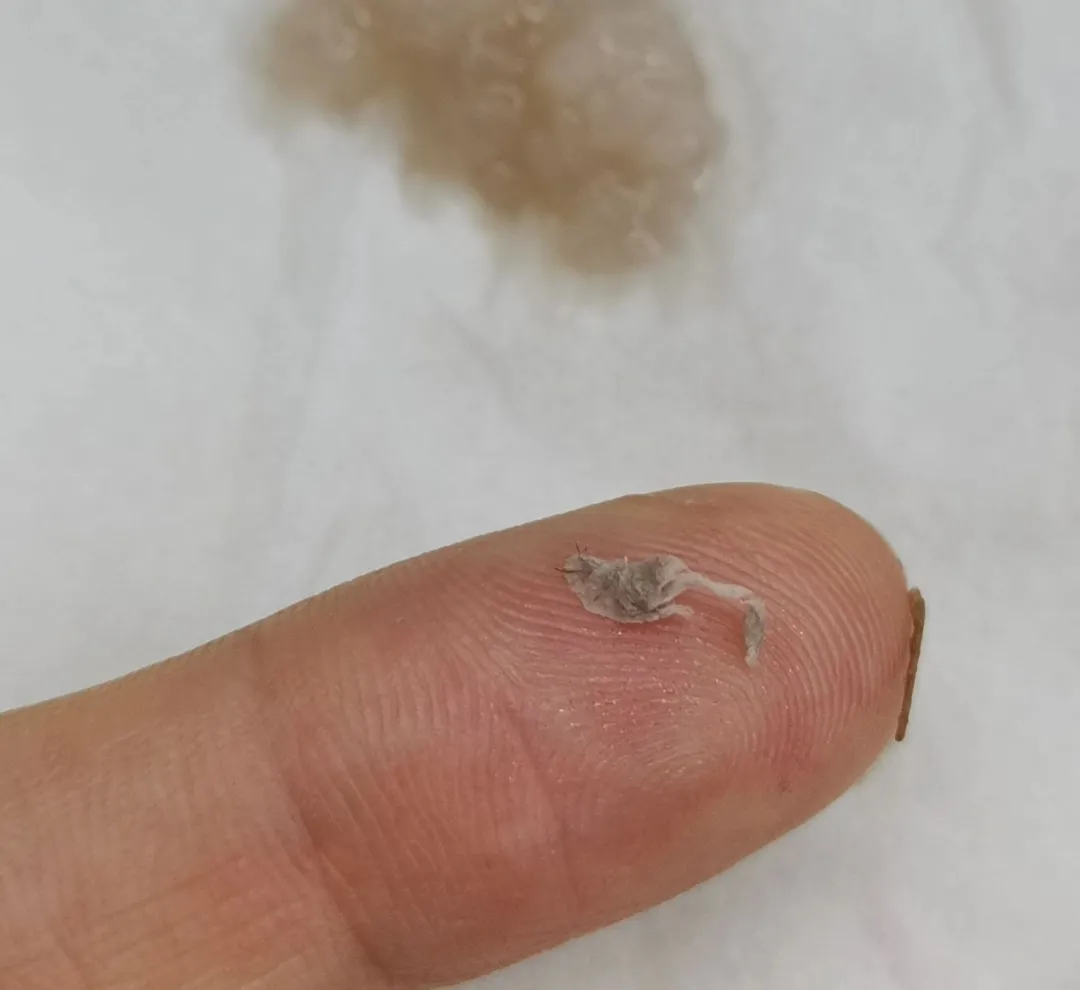
Recently, some consumers reported finding objects resembling paper scraps and twigs in drinks purchased from Heytea. The news quickly sparked heated discussion on social media platforms. Many began to question whether the tea chain’s raw material screening and production processes were rigorous enough, raising concerns about food safety.
In response to consumer concerns, the Heytea store later clarified that the objects mistaken for paper scraps and twigs were actually naturally occurring sweet potato roots mixed in the taro paste ingredient. According to the store, these roots were residual parts of the sweet potatoes—used to make the taro paste—that had not been completely removed during processing. They are natural plant tissue, not external contaminants that accidentally got mixed in.
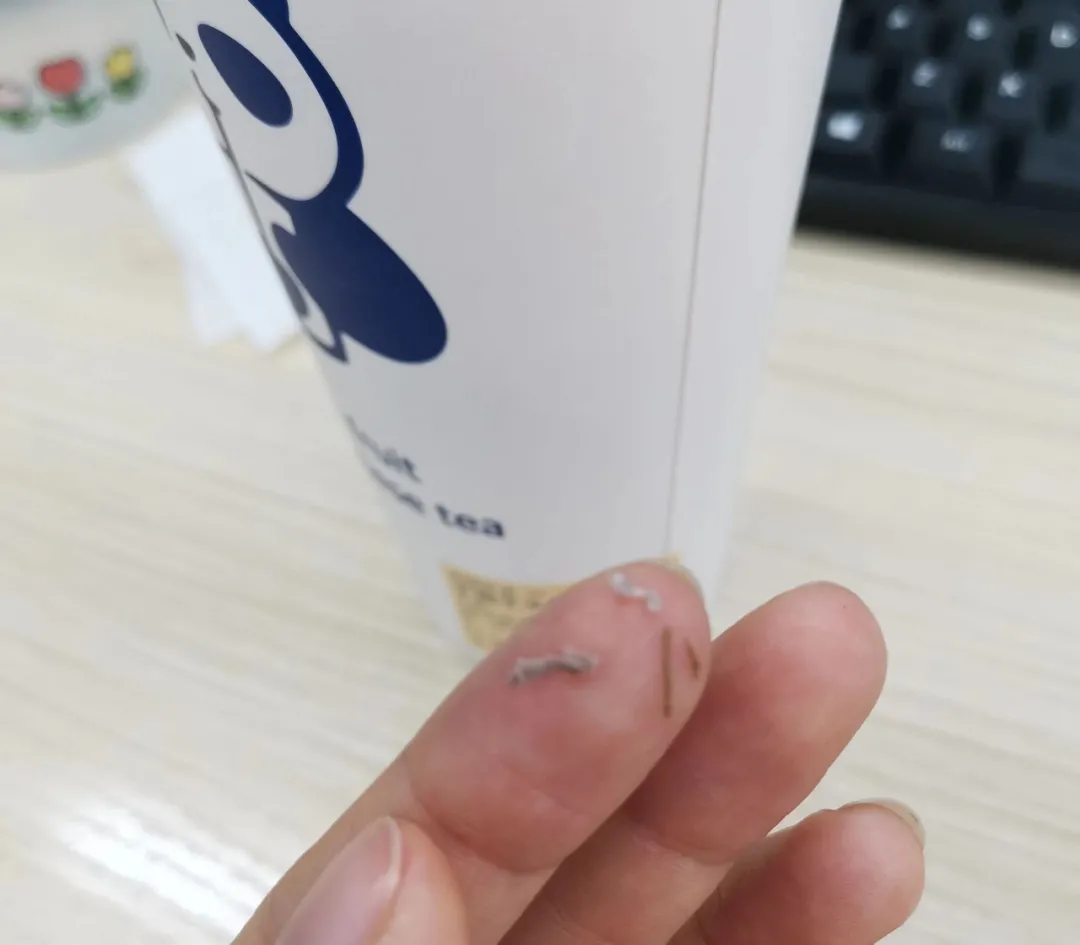
The incident continued to gain traction on social media, with many netizens questioning the quality management and raw material washing and screening standards of the tea chain stores. Especially when foreign objects resemble common impurities, it can easily trigger consumer worries about hygiene and safety. Industry insiders pointed out that even if the foreign objects come from natural ingredients, brands should still strive to remove such unnecessary components during the production process to enhance consumer drinking experience and trust.
In fact, similar situations are not uncommon in the beverage industry. When making drinks containing natural ingredients such as taro, sweet potatoes, or oats, the raw materials themselves may come with some plant fibers, roots, or irregularly shaped residues. If these components are not finely processed, they may end up in the hands of consumers. Striking a balance between preserving the original flavor of the ingredients and ensuring the purity of the drink is an ongoing challenge for many beverage brands.
From a professional perspective, this incident also reminds us that, whether for tea or coffee, the preliminary treatment of raw materials is crucial. Take coffee as an example: when selecting coffee beans, we pay special attention to the defect rate, roast evenness, and the control of fine particles after grinding. Similarly, in making tea drinks, the washing, screening, and processing of natural ingredients are also key steps that affect the final quality of the beverage.
If you have a deeper interest in the beverage production process and raw material selection, it is recommended to follow some professional coffee and tea knowledge resources to learn about practical information such as pour over extraction parameter settings, coffee bean flavor wheel analysis, and the impact of different roast levels on flavor. These insights can not only help you better appreciate a cup of drink but also provide a more informed basis for your choices.
In summary, although the Heytea drink foreign object incident was ultimately explained by the business as part of the natural ingredient, it still sparked widespread public discussion on beverage production processes and quality control. As consumers, we have the right to expect more transparent and rigorous food handling procedures; and as enthusiasts, gaining a deeper understanding of the production details behind beverages can also give us more appreciation and recognition when tasting them.
The above content is compiled by CoffeeHunters, a coffee news website.


