







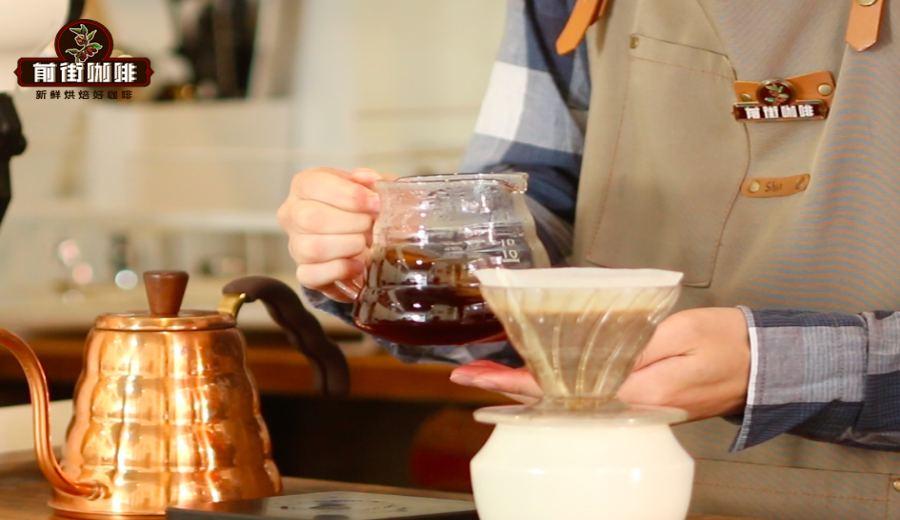
Introduction:Have you ever wondered where the rich body in pour over coffee comes from? This article delves into the essence of coffee 'Body', helping you understand the difference between it, concentration, and smoothness. We’ll also teach you how to optimize the layers of flavor by adjusting parameters such as water temperature, agitation, and brewing time. Even with pour over, you can achieve a full-bodied and silky coffee experience.
In the world of specialty coffee, have you ever heard baristas mention the term 'Body'? It actually refers to the sense of volume and richness a coffee delivers in the mouth — a tactile experience. Many people often mistakenly equate Body with coffee strength or concentration, but in reality, what truly determines a cup’s richness is the insoluble oils and fibers. This article will take you deep into the definition of Body, clarify the differences among Body, concentration, mouthfeel, and smoothness, and provide practical pour over tips so you too can brew coffee with a rich, satisfying Body.
What is Body?
The first time you may have encountered the term 'Body' could have been during a conversation with a barista or while reading coffee-related literature. Translated into Chinese, it can be understood as the ‘thickness’ or ‘mouthfeel’ of coffee. If you have a freshly brewed cup in front of you, try taking a small sip and use your tongue to feel how full-bodied the coffee feels in your mouth. Additionally, you can observe how the coffee liquid clings to the sides of the cup — this adherence is also an expression of Body.
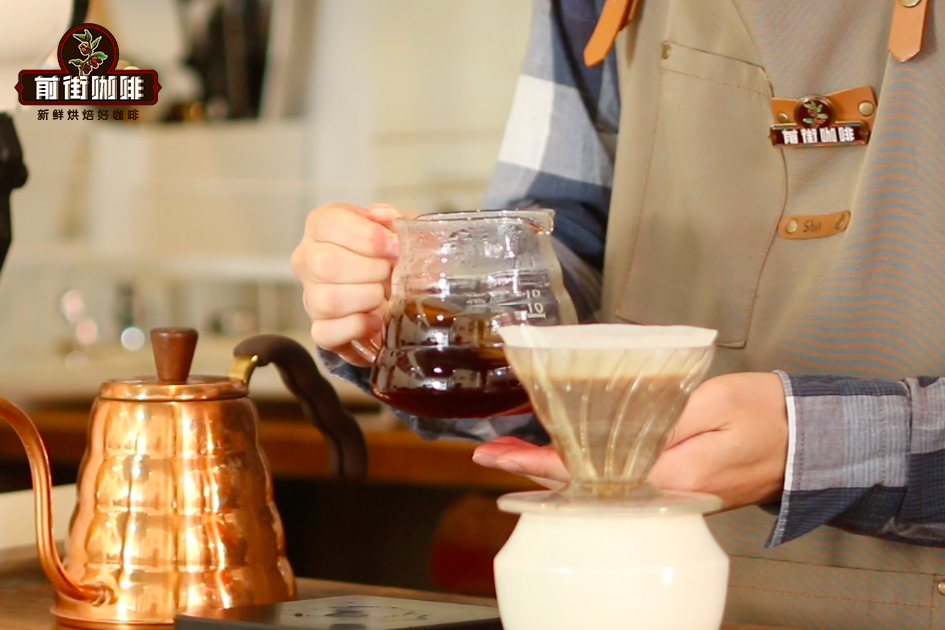
However, Body is often confused with mouthfeel or smoothness. In fact, Body focuses more on the physical characteristics of the coffee liquid itself. It is a relatively objective attribute — it exists regardless of whether you evaluate it or not. Mouthfeel, on the other hand, is subjective; everyone might rate ‘how smooth this cup of coffee is’ differently. Body reflects the tactile sensation of the coffee liquid — whether it feels smooth, thick, or heavy — though it may sometimes present as rough, thin, or even astringent as a negative experience.
What creates good Body?
The key elements that truly give coffee its rich Body are mainly the oils and insoluble fibers in the coffee. These components do not fully dissolve in water but create a coating sensation in the mouth, making the coffee feel fuller. This is also why many coffee enthusiasts prefer using cloth filters like a French press or admire espresso — because these methods retain more of the coffee’s oils, thereby enhancing the expression of Body.
In other words, the more oils and fibers a coffee contains, the stronger its Body usually is. This is one of the main reasons why different brewing methods show noticeable differences in Body.
Can pour over coffee have great Body too? Optimizing parameters is the key.
You might think that Body only exists in high-pressure brewed coffee like espresso, but that's not the case. While pour over coffee generally has less Body than espresso, by adjusting brewing parameters, you can still significantly enhance its smoothness and fullness. Many people trying pour over often misunderstand Body and concentration as the same thing. In fact, a coffee’s Body is not directly related to the total amount of substances dissolved in the water. What really brings about that smooth, thick mouthfeel is precisely the insoluble oils and fibers.

Therefore, common practices such as increasing water temperature to boost extraction or reducing the coffee-to-water ratio to increase concentration don’t necessarily improve Body. In fact, they may lead to over-extraction, resulting in sharp flavors or unwanted off-tastes.
To brew pour over coffee with smoother texture and a fuller Body, we recommend the following practical adjustment strategies: lower the water temperature, maintain an appropriate coffee-to-water ratio, reduce agitation during pouring, and extend the immersion time. These methods help you extract the coffee more gently, reducing the release of excessive tannins and polyphenols, thereby optimizing the mouthfeel.
For example, when brewing at high temperatures, although the flavors may be more pronounced, the coffee can also taste thinner. By appropriately lowering the water temperature (by about 2–3°C) and using a slower-dripping filter cone (such as a Kono or cone-shaped filter), you can effectively slow down the flow rate and maintain the immersion state of the coffee grounds. Using a small stream and pouring in the center minimizes disturbance to the coffee bed. The overall brewing time may extend by 30–40 seconds, but this can result in a rounder and silkier Body.
Sometimes, even if the coffee feels smooth and has a balanced Body when hot, it may turn rough once cooled. This is likely due to overly vigorous stirring during brewing, which releases excess polyphenols. By reducing agitation and maintaining an immersion-style brew, you can ensure the coffee retains good texture even as it cools.
In short, Body is not just a synonym for high concentration. It relates to the overall experience in your mouth — that feeling of fullness, smoothness, and thickness when you take a sip. Mastering the right brewing parameters means even pour over coffee can showcase a richness that rivals other brewing methods.
The above content is compiled by CoffeeHunters, a coffee news website.


