







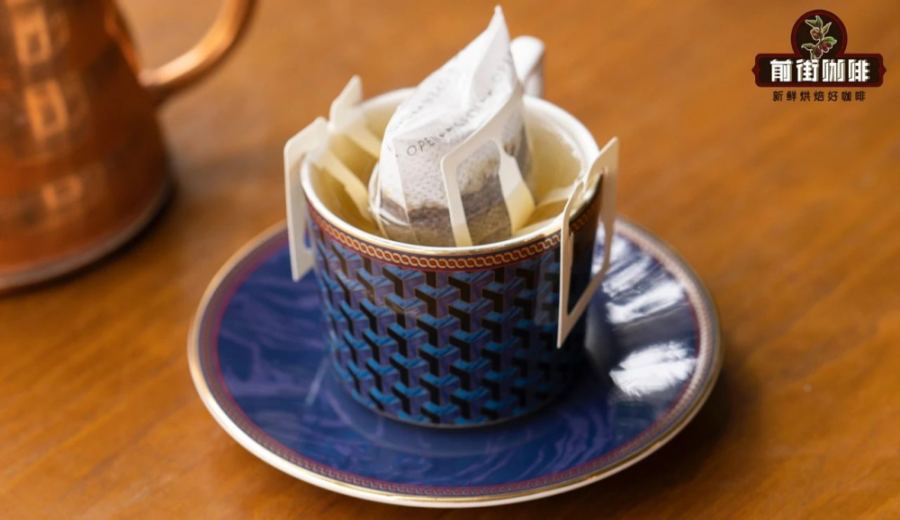
Introduction:Have you ever thought that steeping your drip bag coffee longer makes it stronger? In fact, over-steeping can easily lead to over-extraction, making the coffee bitter and astringent. This article delves into the ideal steeping duration for drip bag coffee, the reasons behind concentration changes, and compares the production processes and health impacts of instant coffee. It also provides practical brewing tips to help you make a well-balanced, layered cup of drip bag coffee at home.
Many people commonly believe that the longer you steep a drip bag coffee, the stronger the flavor will be—but this is actually a common misconception. In reality, excessively long steeping times not only fail to enhance the flavor but can also lead to over-extraction, where too many undesirable compounds from the coffee are released into the water, resulting in a bitter and astringent cup with significantly diminished taste quality.
Drip bag coffee is essentially a convenient form derived from pour over coffee. Therefore, using the correct pouring technique is far more effective in unlocking its potential than simply letting it sit and steep. By employing a pulse pouring method, hot water can uniformly and thoroughly contact the coffee grounds, gradually extracting the desirable flavor compounds while avoiding over-extraction or uneven extraction caused by prolonged single steeping. This approach not only maintains the optimal concentration range but also preserves the delicate layers of flavor in the coffee.
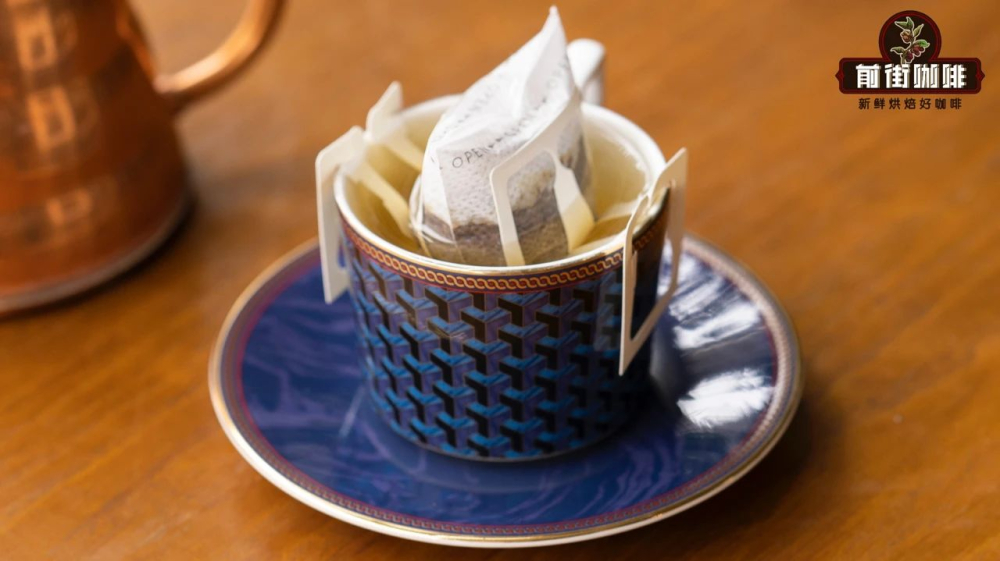
So,how long should you steep your drip bag coffee?Generally speaking, from the first pour onward, the total extraction time is recommended to be within2 to 2.5 minutes,which ensures that the aromatic compounds in the coffee grounds are adequately released without allowing excessive impurities to dissolve. Too short a time may result in under-extraction, yielding a weak and bland cup; too long may lead to an overabundance of bitter compounds, negatively affecting the overall taste.
In addition, different coffee bean origins and roast levels can also influence the optimal steeping duration. For example,Mandheling coffeeusually has a rich and bold flavor, benefiting from a slightly longer extraction time to bring out its intense spice and chocolate notes; whereasYirgacheffeis known for its bright acidity and floral aromas, so it’s recommended to control the extraction time to preserve its fresh citrus and lemony tones; as forBrazil Cerrado,with its nutty and peanut-like sweetness, a moderate steeping time is sufficient to showcase its smooth and balanced characteristics.
Many consumers, when purchasing coffee, often confuse drip bag coffee with instant coffee, but the two differ greatly in production processes, ingredients, and health impacts. Instant coffee is primarily made by dehydrating extracted coffee liquid through high heat to create easily dissolvable powder or granules, which only require the addition of water to drink. While it is convenient and affordable, in terms of flavor, it often lacks the rich complexity found in freshly ground or drip bag coffee.
More importantly, some instant coffees add food additives such as saccharin, creamers, emulsifiers, and stabilizers to adjust taste or extend shelf life. Long-term consumption of these additives may have potential negative effects on health. In contrast, drip bag coffee typically contains only roasted and ground coffee beans—essentially pure black coffee—and moderate consumption may even offer certain benefits to metabolism, making it a relatively healthy option for those seeking weight management.
When brewing drip bag coffee, besides steeping time,water temperature and pouring techniqueare also key factors that influence the final flavor. It is recommended to use water heated to about90°C to 94°C,a temperature range that can effectively extract the aromatic compounds from the coffee beans without being so high as to scorch the grounds, which could lead to over-extraction.
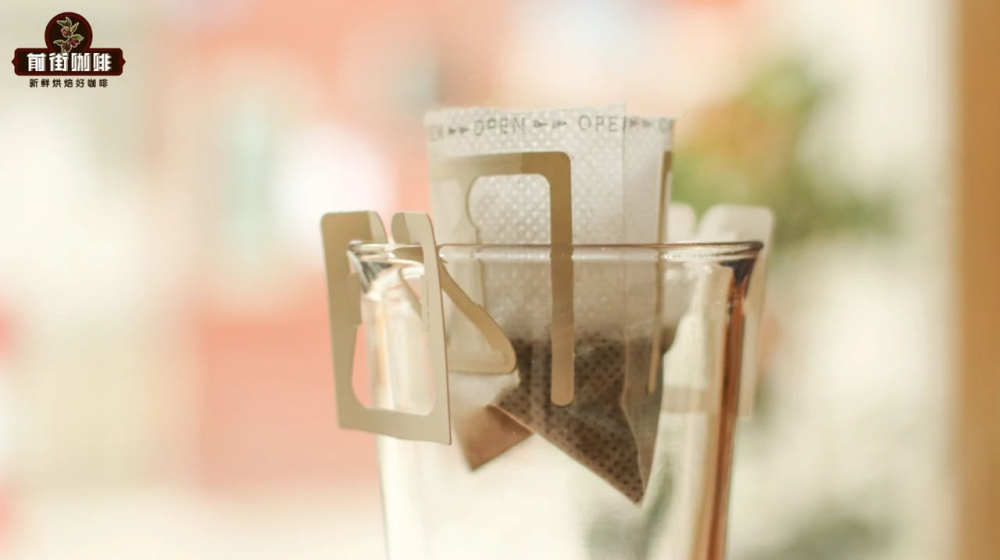
First, allow boiled water to cool for a few seconds before pouring it into the kettle. Prepare a medium-sized cup, such as a high-sided mug, which helps stabilize the drip bag and control the flow of liquid. Unwrap the drip bag, gently shake it to gather the coffee grounds at the bottom of the filter pouch, then hang it on the edge of the cup. Begin by pouring a small amount of hot water (about 20–30ml) to let the coffee grounds bloom for approximately10 to 20 seconds.This step releases carbon dioxide, helping ensure a more stable and smoother subsequent extraction.
Then, switch to a fine and steady stream of small water flow, slowly pouring until the water level nears the top edge of the filter pouch, then pause the pour and allow the coffee liquid to drip naturally. Once the liquid level drops, proceed with the final pour, controlling the total water volume to around150 grams (approximately 150ml),which allows for precise control over concentration while avoiding over-extraction due to excessive steeping. Throughout the entire extraction process, there's no need for an electronic scale—just observe the flow rate and timing to brew a well-balanced drip bag coffee.
Finally, give the coffee in the cup a gentle stir and enjoy it while hot, savoring the pure aroma of black coffee and its distinctly layered flavors.

The above content is compiled by CoffeeHunters, a coffee news website.


