







Introduction:Want to understand the fundamental differences between French press and pour over coffee? This article delves into the brewing principles of both methods—from the immersion extraction through a metal filter to the drip filtration via paper—and helps you grasp how the French press delivers a rich, full-bodied taste. It also analyzes how it pairs with dark and light roasted beans. Practical recommendations on grind size, water temperature, and coffee-to-water ratio are provided so even beginners can consistently brew a balanced and layered cup of coffee.
Thanks to its simplicity, the French press has long been the go-to choice for many coffee beginners. However, it actually differs significantly from pour over in terms of extraction mechanism. The French press uses a metal filter and full immersion method to fully extract soluble compounds from coffee grounds, resulting in a bold and rich flavor—especially well-suited for medium to dark roasted beans. This article not only examines the design features and bean compatibility of the French press, but also details the complete brewing process and explains why light roast beans often struggle to express their delicate flavor layers in this device. Practical brewing parameters—including grind coarseness, water temperature control, and coffee-to-water ratio—are also summarized to help you get started easily and achieve a well-balanced extraction.
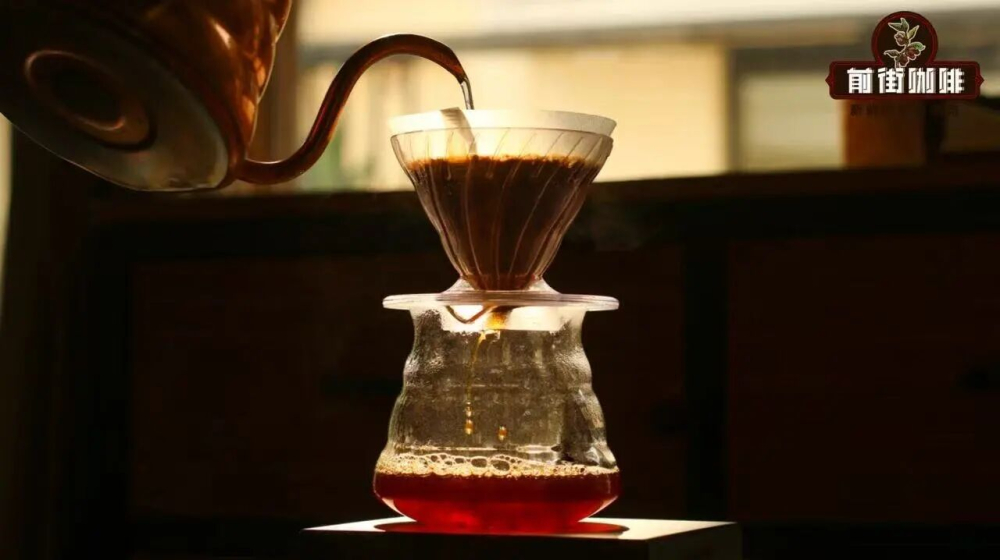 In recent years, pour over coffee has become a trend and is seen as a symbol of refined living. But there are actually more diverse ways to enjoy a good cup of coffee. For those new to coffee, the French press (commonly known as the coffee plunger) not only has a low learning curve but also presents the original flavors of coffee beans in an intuitive way. This brewing tool, originating from France, is very popular in European households and cafés. It’s extremely simple to use—just steep coarse-ground coffee powder with hot water to complete the extraction.
The most distinctive feature of the French press is its built-in metal filter, which eliminates the need for additional paper filters. This is not only environmentally friendly but also allows more coffee oils and fine particles to pass through, resulting in a thicker mouthfeel and body. Precisely because of this full immersion design, using coffee beans with a moderate grind size better showcases its extraction characteristics. The standard practice is to mix coarse-ground coffee powder with hot water and let it steep for about four minutes, then slowly press the coffee grounds to the bottom of the pot using the plunger to complete the brew.
French presses are generally made of glass or stainless steel, paired with a metal plunger and an ergonomic handle. Some models use polypropylene for the base, lid, and handle to reduce weight. The overall structure is lightweight and intuitive to operate, making it easy for even novice coffee drinkers to get started.
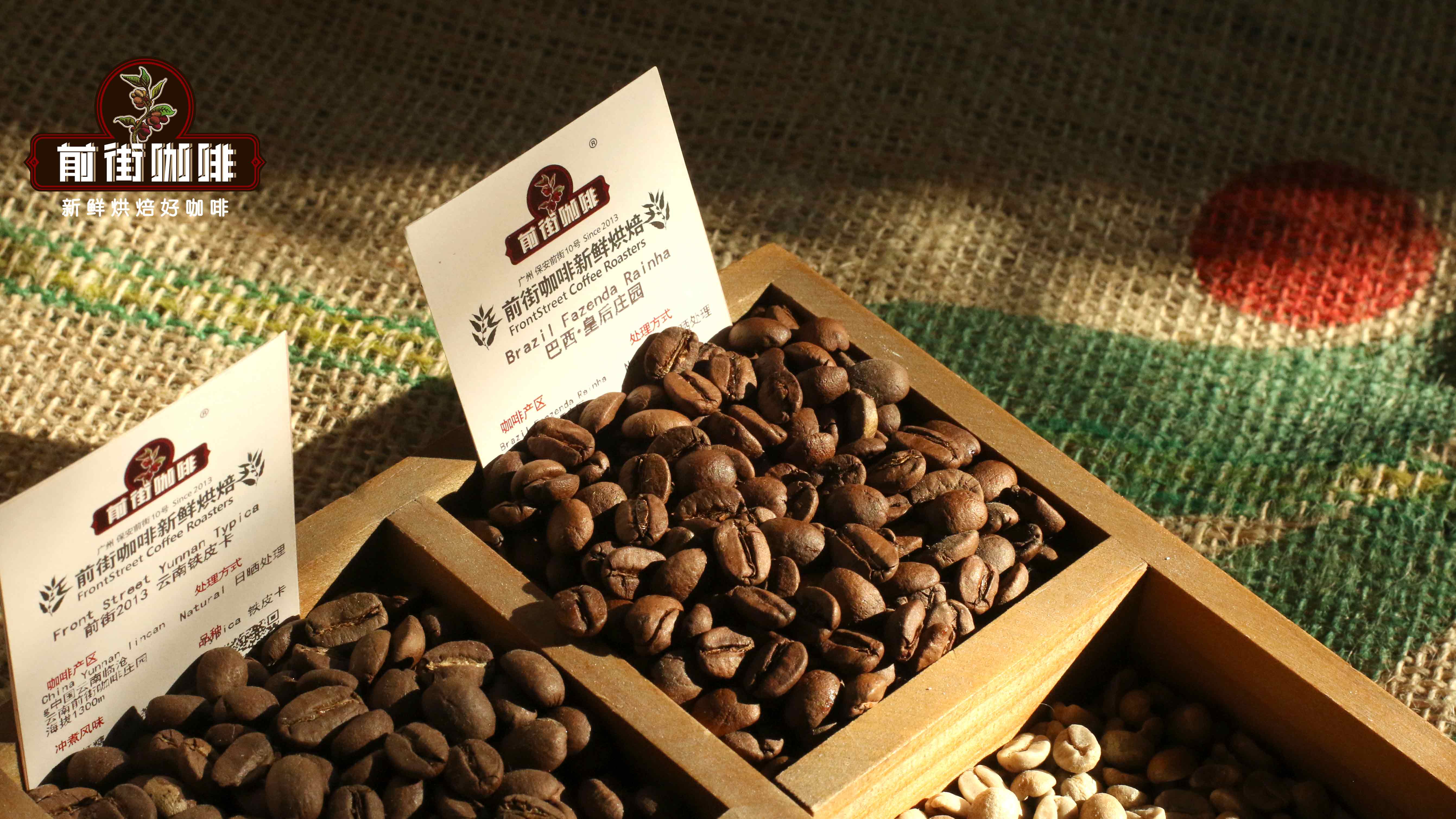
 The French press is a classic example of immersion brewing, so the coffee it produces usually has a richer, fuller taste with a pronounced body. This characteristic makes it particularly well-matched with medium to dark roasted beans, such as Indonesian Golden Mandheling with its wild spice and nutty notes, Brazilian Queen Estate with its creamy fried peanut flavor profile, and Strawberry Candy beans showcasing sweet rose and caramel aromas. These medium to dark roasted beans often present a rounder, fuller, and more layered taste when brewed in a French press.
Industry professionals recommend that if you want to use a French press, you should prioritize beans with balanced flavors, dominated by dark chocolate or nutty notes. In contrast, overly light roasted beans usually have pronounced acidity and more delicate flavors—but under the immersion extraction of a French press, these subtle acids and flavor transitions are often masked by the dominant bold extraction, leading to a flatter overall flavor that struggles to showcase the brightness and layering expected from light roasts.
Next, we’ll walk through the practical steps of using a French press to help you master the key techniques:
First, grind the coffee beans to a coarseness similar to coarse sugar—slightly coarser than what you’d typically use for pour over, but not too fine to ensure even extraction. Too coarse may lead to under-extraction, while too fine can cause over-extraction and produce bitter, astringent off-flavors. It's especially important to keep the coffee grounds uniform in size because significant variations can cause the finer particles to release compounds too quickly, leading to over-extraction, while the coarser ones may not extract enough, affecting the overall balance of flavors.
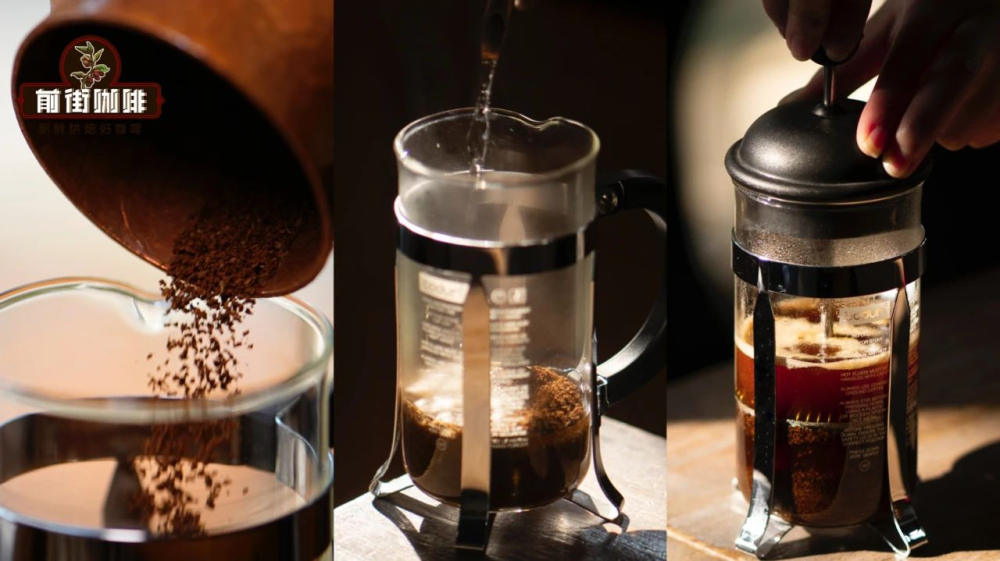
It’s recommended to keep the water temperature around 88°C, with a coffee-to-water ratio set between 1:10 and 1:13, adjustable according to personal taste. After pouring the hot water, remember to gently stir with a spoon to evenly mix the coffee grounds and water, enhancing extraction efficiency.
Next, place the lid on the French press but keep the filter at the top. Let it steep for about four minutes to allow the coffee grounds to fully soak and release their flavors.
Before pressing down the filter, it’s a good idea to open the lid and skim off any floating coffee grounds or foam on the surface with a spoon. This helps reduce impurities in the final coffee liquid and improves the drinking experience. Then, slowly press the filter down to the bottom to separate the coffee liquid from the grounds.
After brewing, it’s recommended to immediately pour the coffee liquid into another insulated container to avoid continued steeping, which could lead to over-extraction. Finally, pour it into your cup and savor its rich, full-bodied flavors.
The above content is compiled by CoffeeHunters, a coffee news website.


