







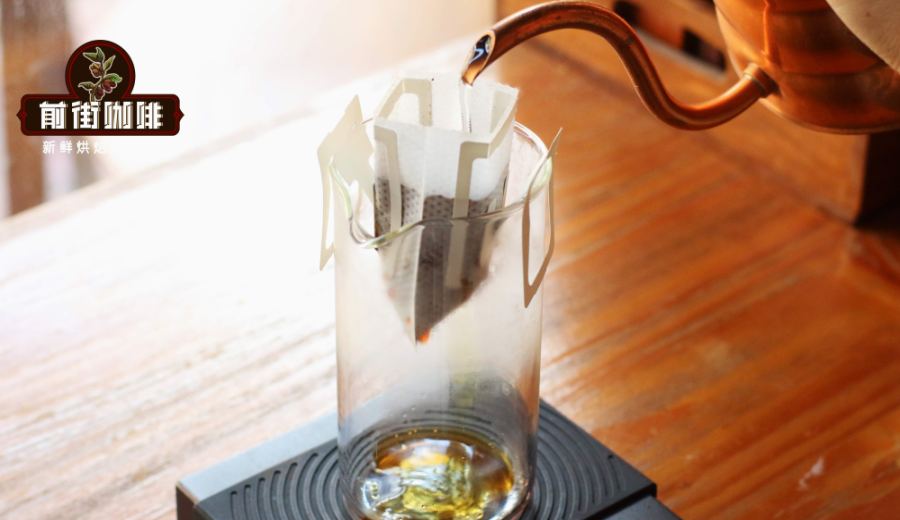
Introduction:Have you ever brewed a pour-over coffee using a drip bag only to find it tasting too weak, overly acidic, or excessively bitter? This is often related to the brewing method. This article delves into the best brewing techniques for drip bags, including water temperature control, the correct three-stage pouring method, suitable cupware choices, and why prolonged steeping should be avoided. Master these key points, and you’ll be able to easily brew a well-balanced, smooth-bodied black coffee with a pour-over style.
Many coffee enthusiasts who are new to drip bags often encounter issues with subpar coffee flavor: it might taste too thin, have an unbalanced acidity-to-bitterness ratio, or lack overall complexity. These problems mostly stem from improper brewing methods. Understanding how to correctly brew drip bag coffee not only helps avoid common mistakes but also fully highlights the aroma and layered flavors inherent in the coffee beans.
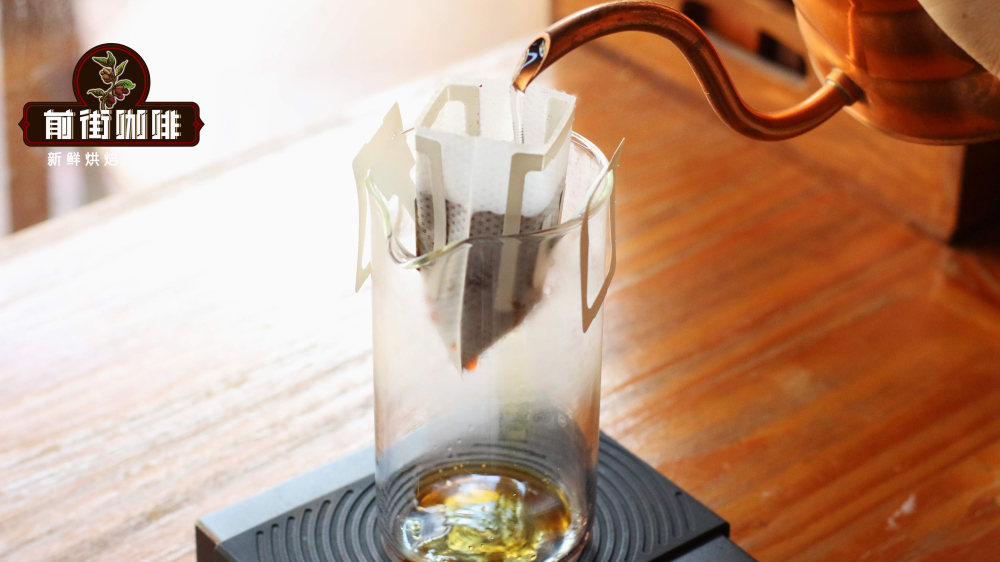
Drip bags are pre-ground, filter-style coffee packaged in individual sealed pouches. While this type of packaging can help preserve the coffee’s flavor to a certain extent, over time—especially after opening—the flavor will gradually diminish. This is because roasted coffee beans contain a significant amount of carbon dioxide, which helps preserve aroma and flavor compounds. However, once ground into powder, the surface area exposed to air increases dramatically, causing the rapid release of carbon dioxide and the subsequent dissipation of aroma. Therefore, it is recommended to brew drip bag coffee as soon as possible after purchase, with the optimal flavor window typically within one month after opening.
Additionally, many people mistakenly believe that drip bags, like tea bags, can be steeped in hot water for extended periods. This is actually a common misconception. Since coffee grounds are finer than tea leaves and their soluble compounds are released more quickly, steeping them in hot water for too long can easily lead to over-extraction, resulting in unpleasant bitterness and astringency. Especially if the cup is not deep enough and the drip bag remains submerged in the coffee liquid for a long time, the outer layer of coffee grounds will continue to release substances, further exacerbating over-extraction.
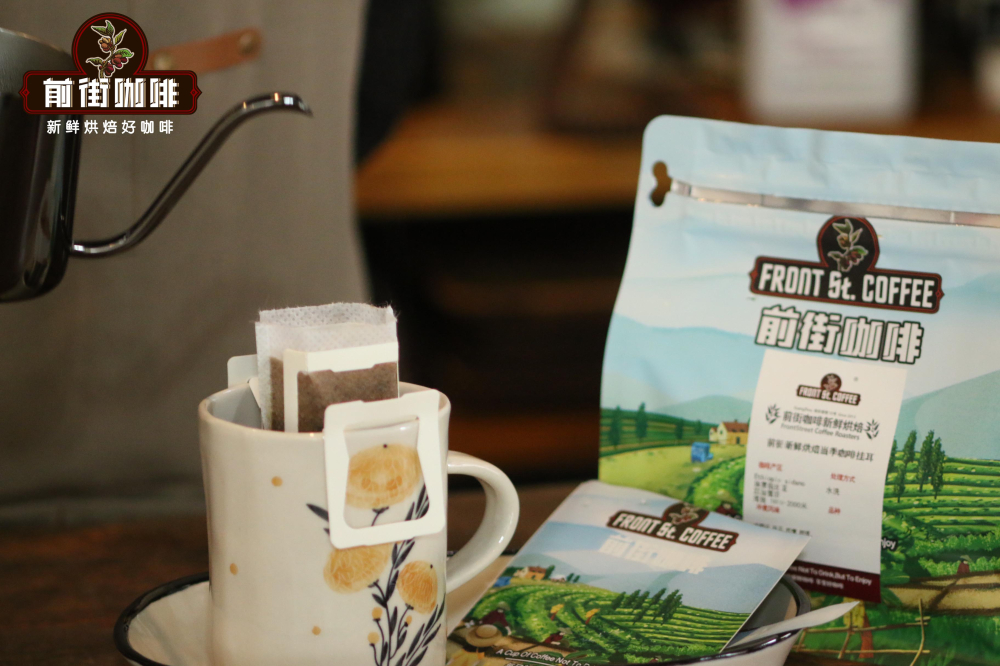
So, how should drip bag coffee be brewed to achieve the best flavor? First,it is recommended to choose a straight-sided, heat-resistant cup with a capacity of at least 230ml, which ensures the drip bag does not come into direct contact with the coffee liquid and provides ample space for proper blooming and pouring. Additionally,water temperature is one of the key factors affecting flavor performance, with the ideal brewing temperature being 90 to 91°C. Water that is too hot can result in burnt, bitter notes, while water that is too cool may fail to fully extract the coffee’s aroma, leaving it bland and uninteresting. Moreover, it is not recommended to use hot water from a water dispenser, as its temperature is often unstable—potentially too high or too low—which can negatively impact the final extraction.
For the correct brewing method, it is recommended to use the “three-stage pouring technique,” which helps achieve even extraction of the coffee grounds’ acidic, sweet, and body-enhancing compounds, avoiding over-extraction in the early stages or under-extraction later on. Here are the specific steps:
- First, tear open the drip bag packaging by carefully cutting along the dotted line on the package.
- Unfold the drip bag and then hang it on both sides of the selected cup.
- The first step is to pour approximately 30ml of hot waterto allow the coffee grounds to bloom, for about 20–30 seconds. This step helps to awaken the aromatic molecules in the coffee grounds.
- Next,every 10 seconds or so, pour an additional 60ml of hot water twice, for a total extracted liquid volume of about 150ml.
- Once the dripping is complete, simply remove the drip bag and enjoy your coffee.
This brewing method steadily brings out a balanced acidity and sweetness in the coffee, along with a moderate body, while avoiding the over-release of any single flavor. Furthermore,it is recommended to use a gooseneck pour-over kettle for pouring, as it helps control the water flow and pouring speed, ensuring the hot water permeates the coffee grounds evenly, rather than flowing directly from the sides and causing uneven extraction.
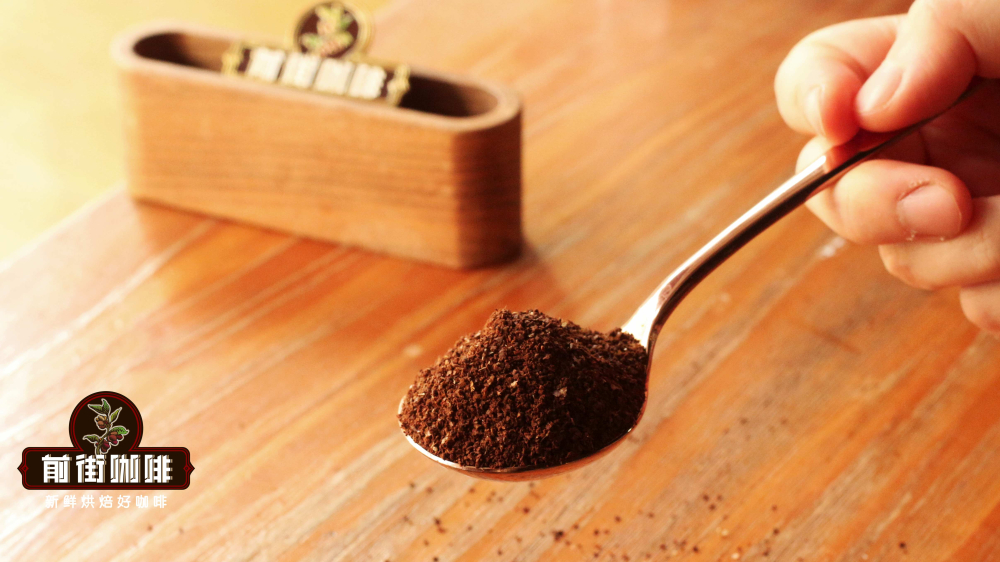
In summary, although drip bags are convenient, if you want to achieve a flavor profile close to that of hand-brewed pour-over coffee, it is still important to pay attention to grind size, water temperature control, pouring method, and brewing time. Avoid prolonged steeping, choose suitable cupware, and follow the correct steps to ensure each cup of drip bag coffee showcases its intended aroma layers and balanced flavor.
The above content is compiled by CoffeeHunters, a coffee news website.


