








Introduction:The siphon pot and the moka pot are classic brewing devices that many coffee enthusiasts start with at home. The former creates a sense of ritual through the principle of thermal expansion and contraction, while the latter achieves rapid extraction via steam pressure. These two devices differ significantly in operation method, suitable coffee bean types, and flavor profiles. This article delves into the construction principles and practical operation processes of both the siphon and the moka pot, and provides detailed brewing recommendations such as grind size, water temperature, and coffee-to-water ratio to help readers choose the most suitable brewing method based on their needs.
While the market offers a wide array of coffee brewing devices, when it comes to popularity for home use, the siphon pot and the moka pot have always held their ground. Though both can produce uniquely flavored coffee, they differ greatly in principle, steps, and final taste. The moka pot uses heat-generated steam pressure to forcibly push water through a bed of coffee grounds, resulting in a rich, oily brew; the siphon pot, on the other hand, utilizes thermal expansion and vacuum principles to circulate the coffee liquid up and down, delivering a soft and rounded mouthfeel. This article will comprehensively compare the workings, operations, and flavors of these two devices, and with reference to actual brewing experiences, offer practical parameters and techniques to help you better understand the charm of these two classic brewing tools.

The choice of coffee brewing device often depends on personal preference and usage scenario. Even with the same coffee beans, using different devices or adjusting grind size or water temperature can lead to vastly different taste experiences. Some coffee lovers are drawn to the bold richness of the moka pot, while others prefer the ritualistic feel and gentle profile of the siphon pot. The following sections will detail the operating logic, steps, and brewing suggestions for both devices to help you find your ideal coffee flavor.
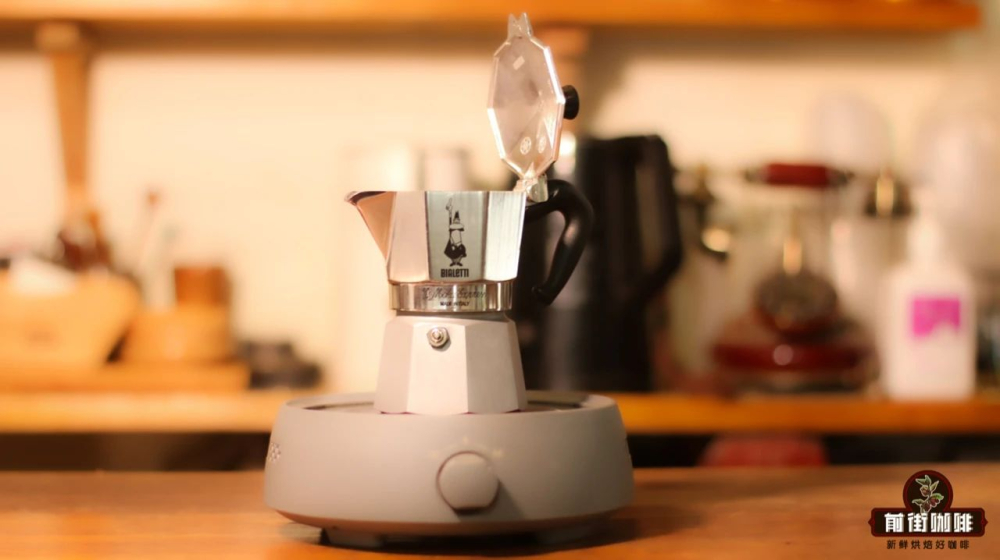
The moka pot is arguably the top choice for many beginners in the coffee world. Its compact design and simple operation allow for quick brewing of a strong cup of coffee with just heat—making it approachable and practical for those new to brewing methods beyond pour over or espresso. Its working principle involves heating water in the lower chamber, generating steam and pressure that forces the hot water upward through the coffee grounds in the middle filter basket, ultimately pushing the extracted liquid into the upper chamber to form an espresso-like coffee with a crema layer.
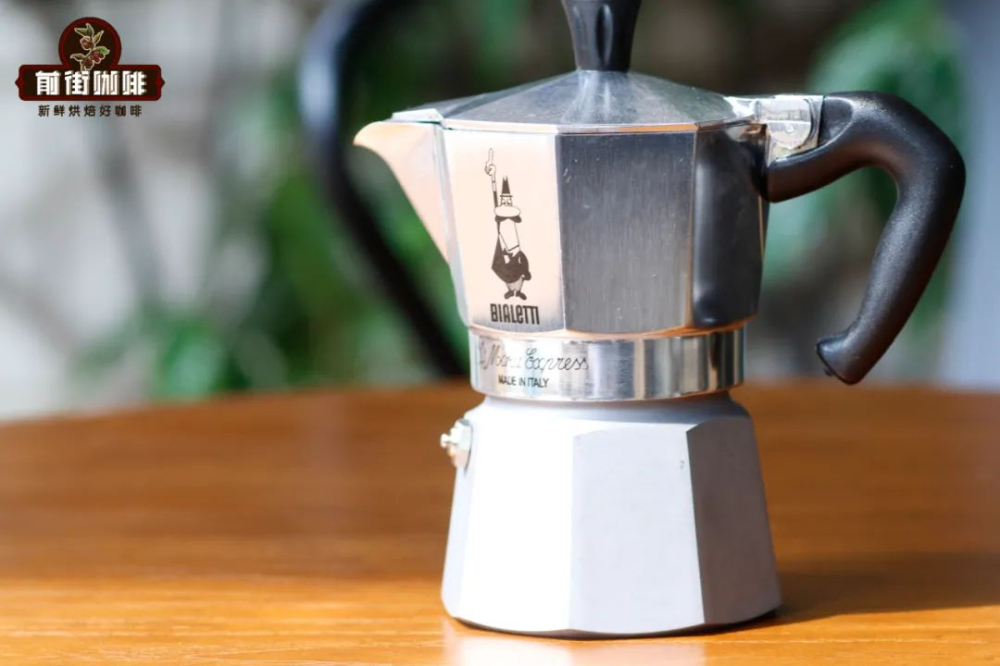
The entire moka pot structure mainly consists of three parts: the lower chamber that holds water, the middle filter basket that holds the coffee grounds, and the upper chamber that collects the extracted coffee. When the water in the lower chamber is heated to boiling, the resulting steam pressure gradually increases, pushing the water through the coffee grounds. Generally, a moka pot can generate about 1.2 to 3 atmospheres of pressure—though not as high as the 9 atmospheres of a professional espresso machine, it is sufficient to extract rich coffee essences and oils, delivering a strong flavor similar to espresso.
Commercially available moka pots come in single-valve and double-valve designs. The double-valve type can further increase pressure, making the extraction more concentrated, the crema richer, and the flavor relatively more intense. If you enjoy a bold and robust coffee taste, the moka pot is undoubtedly an excellent choice for home brewing.
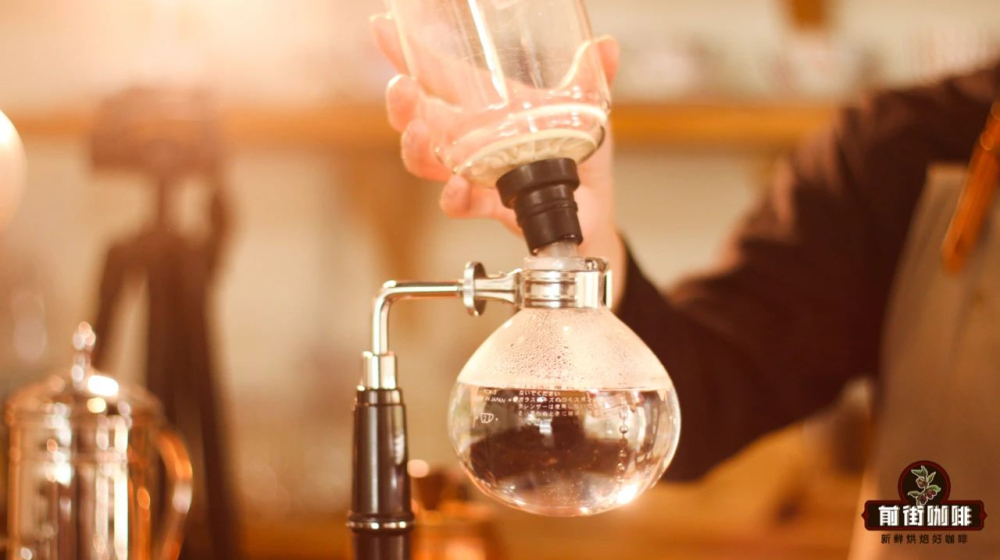
The siphon pot is another classic coffee brewing device, beloved by coffee enthusiasts for its unique visual effects and scientific principles. Known in English as the "SIPHON" and also called the siphon or vacuum pot, its operating principle uses steam generated by heating to expand the water in the lower chamber, pushing it up into the upper chamber where it mixes with the coffee grounds; when heating stops, the temperature drops, creating a vacuum that draws the coffee liquid back down through the siphon tube into the lower chamber, completing the extraction.
This design dates back to the early 19th century, first pioneered by German scientist Johann Norremberg, but it wasn’t until 1842 when French inventor Marie Fanny Amelne Massot improved and patented the device that the siphon pot entered the market. Compared to modern pour over or drip methods, the siphon pot brewing process requires more skill and attention, and allows you to observe the interaction between coffee grounds and water—a quite ritualistic experience.
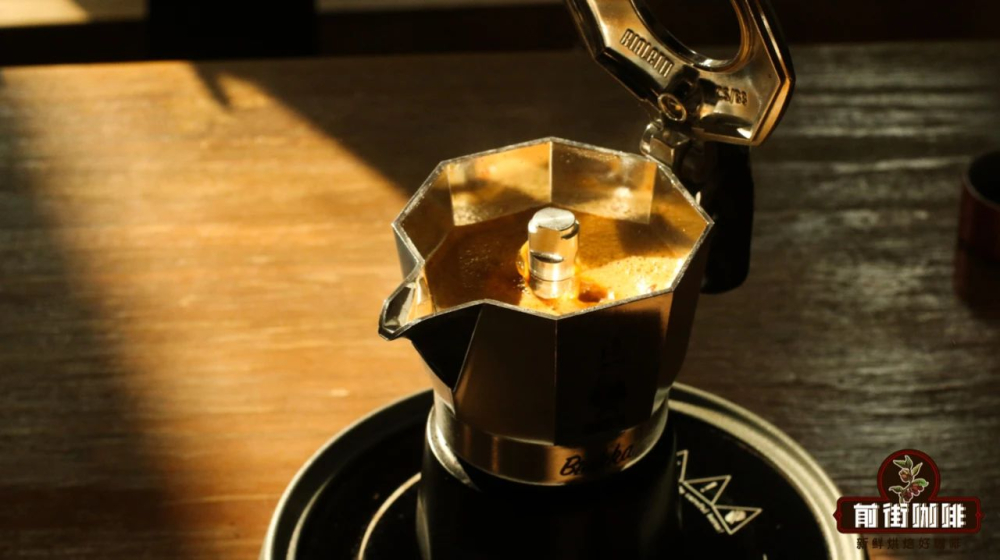
Next, let’s take a deeper look at the practical operation process and flavor characteristics of the moka pot. It’s recommended to use freshly roasted Arabica coffee beans, preferably medium to dark roast, which highlights aromas of chocolate, nuts, and caramel. During operation, start by adding clean warm water to the lower chamber—the water level should be about 0.5 cm below the safety valve (pressure relief valve line) to prevent excessive pressure from overheating. When using an EK-43s grinder, adjust the grind size to 0.5 (equivalent to very fine pour over or close to espresso grind), and adjust the amount of coffee according to the pot size. For example, for a three-cup Brikka pot, it’s recommended to use 18 grams of coffee.
Pour the coffee grounds into the filter basket, gently level them without pressing too hard to avoid blocking water flow. Attach the upper chamber and secure it tightly, then place it on a gas stove or induction cooker for heating—use low to medium heat and ensure the flame does not extend beyond the base of the pot. When you hear a hissing sound from the lower chamber, it indicates that pressure is starting to build—then reduce to low heat and wait for the coffee liquid to slowly rise into the upper chamber. Once the coffee reaches about half the capacity of the upper chamber, you can turn off the heat and let residual heat complete the final extraction.
Coffee brewed with a moka pot typically has a strong, bold flavor, with notes of whiskey, vanilla, cream, and fruity acidity, along with distinct roasted nut aromas. If you prefer a lighter taste, you can mix it with 70–80°C hot water at a 1:5 ratio; if you like milk coffee, you can also combine it with milk to bring out sweet flavors reminiscent of chocolate and buttery cookies.
In contrast, the siphon pot brewing process places greater emphasis on timing and technique. For brewing light roast or fruit-forward beans, it’s recommended to use water at around 92°C and seal the pot when the lower chamber starts to bubble frequently. Use a finer grind size (such as EK-43’s 9th setting, approximately 90% passing through a #20 sieve), and a coffee-to-water ratio of 1:14, i.e., 20 grams of coffee to 280 ml of water.
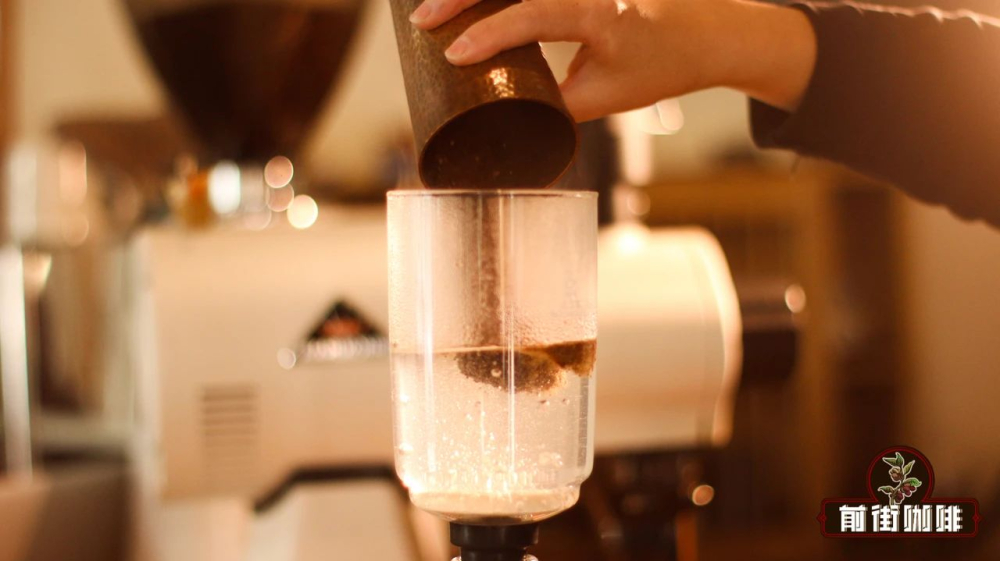
In terms of operation, first pour the target amount of water into the lower chamber and wipe the outer wall dry with a cloth to prevent cracking. Install the filter device, ensuring the chain for preventing bumping is securely hooked onto the tube, then seal and heat the upper and lower chambers together. When the lower chamber starts to produce large bubbles, press the upper chamber down firmly so that the water rises to the top. At this point, add the coffee grounds and immediately begin timing. Start by evenly wetting the coffee grounds with a patting motion for the first stir—this is equivalent to the bloom stage in pour over.
At 25 seconds, perform the second stir, preferably using a zigzag motion to accelerate flavor release for about 10 seconds. By 50 seconds, switch to gentle circular stirring to avoid over-extraction. At 55 seconds, turn off the heat. If the coffee liquid回流 is slow, you can use a damp cloth to cool and speed up the回流, preventing over-extraction. The whole process takes about 60 seconds, and the final coffee has a round and full mouthfeel. Though the flavor layers may not be as delicate as those of pour over, it offers a distinctly sweet and rich taste—a completely different drinking experience.


The above content is compiled by CoffeeHunters, a coffee news website.


