








Introduction:Iced Americano and hot Americano are daily go-to choices for many coffee enthusiasts—not only do they provide a caffeine boost, but they’re also often believed to aid in fat loss. However, the two differ in terms of calorie content, flavor profile, and brewing method. Which one suits you better? This article offers an in-depth comparison between iced and hot Americanos, analyzing their extraction principles, flavor characteristics, calorie truths, and includes practical brewing parameters so you can make café-quality Americanos at home.
As one of the most popular coffee drinks worldwide, Americano stands out with its simple preparation method and relatively low calorie count, making it a daily choice for energy or calorie-conscious diets. Among its variations, iced and hot Americanos are the most common. They not only differ greatly in taste but also vary in brewing methods and ideal drinking scenarios. This article will explore their differences from multiple angles to help you find your perfect cup.
The Origin and Basic Definition of Americano
The origin of Americano is widely believed to be related to American soldiers stationed in Europe during World War II. To make the strong espresso more palatable, they added hot water to dilute it, creating a beverage with a flavor similar to that of coffee back in the United States—hence the name. Today’s commonly seen Americanos are typically made by adding hot or iced water to espresso in specific ratios.
This type of coffee retains the core flavor structure of espresso but lowers its overall intensity and bitterness through dilution, making it ideal for those who enjoy black coffee but prefer something less harsh.

How Do Iced and Hot Americanos Differ in Brewing?
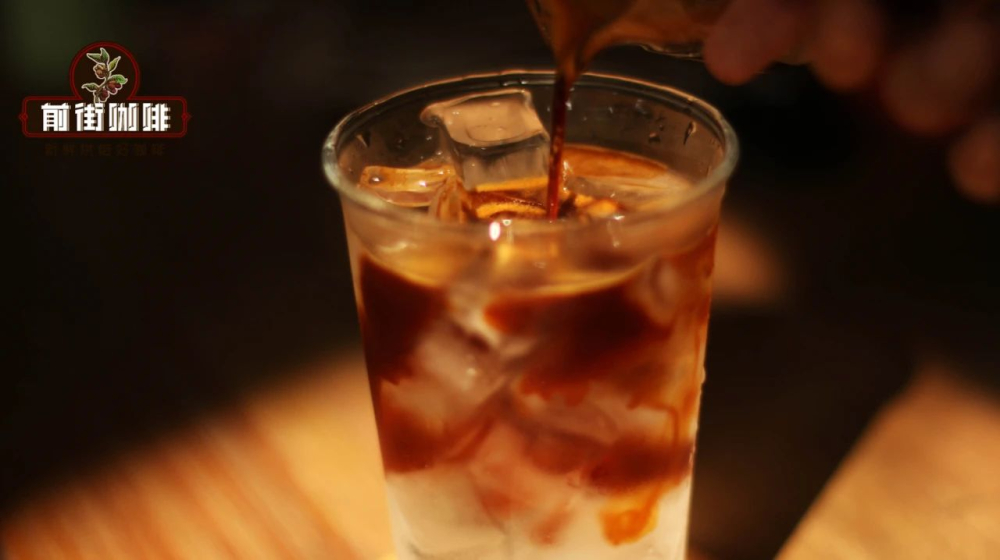
Iced Americano is usually made by pouring freshly extracted hot espresso directly over ice cubes and cold water in a glass. The large amount of ice significantly alters the overall flavor through cooling and dilution, resulting in a taste that highlights acidity and offers a refreshing, slightly astringent mouthfeel.
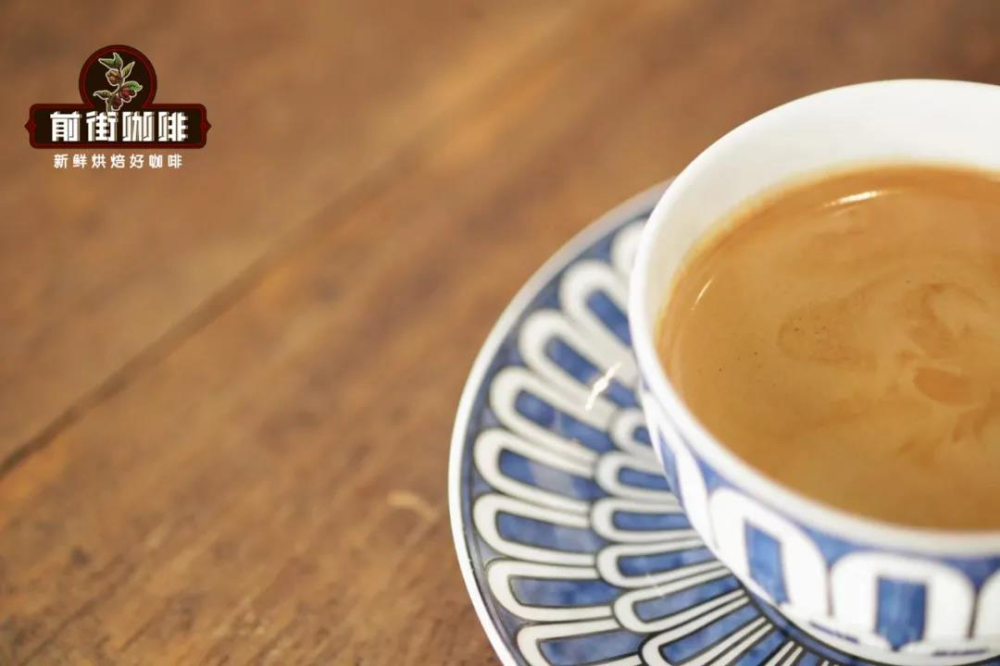
Hot Americano, on the other hand, is made by adding espresso to hot water, typically in a ratio ranging from 1:2 to 1:3, depending on personal strength preference. This method preserves more coffee oils and aromatic compounds, leading to a smoother, rounder mouthfeel with a richer flavor complexity.
Comparison of Appearance, Flavor, and Mouthfeel
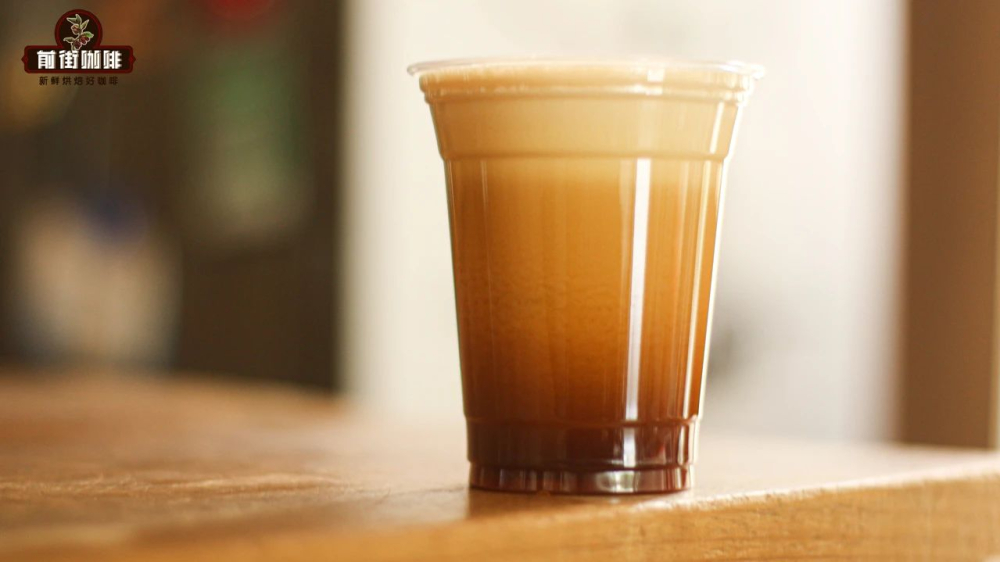
Visually, iced Americano appears clearer and lighter in color due to the addition of ice and water, sometimes allowing you to even see the coffee-colored base at the bottom of the cup. In contrast, hot Americano has a more uniform, transparent amber hue due to dilution with hot water.
In terms of flavor, iced Americano, due to rapid cooling after high-temperature extraction, emphasizes the smoky and roasted notes brought by the roast level, while its acidity is relatively low. The overall flavor tends to be bold and slightly astringent. Hot Americano, thanks to the heat that helps release aromas, offers more caramel, nutty, and subtle hazelnut notes, along with a multi-layered taste profile featuring acidity, bitterness, sweetness, aroma, and slight bitterness.
Mouthfeel-wise, iced Americano is generally fuller and more direct, delivering a noticeable cool sensation upon drinking, making it ideal for summer or when you need a quick pick-me-up. Hot Americano showcases a more complete range of coffee layers, with flavors evolving richly from hot to warm drinking temperatures, perfect for savoring slowly.

Calorie Comparison: Which Has Fewer Calories, Iced or Hot Americano?
Many people wonder whether Americano can aid in weight loss, and the key lies in its calorie content. In fact, both iced and hot Americanos have extremely low calories, almost negligible. Since both are made by adding water (whether hot or iced) to espresso—and espresso itself contains minimal calories while water has none—the choice of cold or hot water for dilution does not affect the total calorie count.
Therefore, purely from a calorie perspective, there is no difference in “caloric level” between iced and hot Americanos. If you’re aiming to reduce body fat through coffee consumption, it’s recommended to opt for pure black coffee without added sugar, creamers, or milk, and to control your overall calorie intake.
Practical Extraction Parameters and Home Brewing Tips
To replicate café-quality Americano at home, mastering basic espresso extraction parameters is key. Common brewing settings include: using medium-dark to dark roasted blends, with a grind size around medium-fine (similar to granulated sugar), a dose of about 12 grams per single shot (single shot) and 20 grams for double shot (double shot).
Extraction pressure is generally maintained around 9 bar, with water temperature recommended at 93–94°C. The extraction time should be around 25–30 seconds, aiming for an output of 20–30 milliliters for a single shot and 40–60 milliliters for a double. These parameters effectively bring out the coffee’s roasted aroma, body, and moderate sweetness, making it suitable for later dilution into an Americano.
If you prefer a brighter, more refreshing flavor, opt for light to medium roasted beans, which exhibit more pronounced acidity and are suitable for hot or room-temperature servings. Dark roasted beans are better suited for making iced Americano, highlighting boldness and low acidity, with a more balanced flavor when served over ice.
Flavor Experience and Selection Tips Across Different Temperatures
Human taste perception changes with temperature. When hot, the tongue is less sensitive to bitterness and sweetness, allowing for greater appreciation of aroma and body. As the coffee cools, acidity becomes more noticeable, especially at room temperature or when served cold, where the breakdown of quinic acid may make the coffee taste more acidic.
If you want to fully experience the layered aromas and transitions of coffee, opt for hot Americano and sip it slowly from its freshly brewed, piping-hot state down to lukewarm, noting how the flavors shift across temperatures. For a cool, refreshing pick-me-up, iced Americano is the more intuitive choice, especially suitable for summer or post-workout occasions.
The above content is compiled by CoffeeHunters, a coffee news website.


