








Introduction:This article delves into the G2 washed Ethiopian Yirgacheffe coffee beans, offering a comprehensive exploration from the terroir of the origin, grading system to the washed processing method—fully showcasing the unique charm of this classic African bean. It not only provides expert pour-over brewing suggestions and precise parameters, but also details its bright citrus tones, white floral notes, and tea-like aftertaste. This is a practical guide for those who love black coffee and are just starting with pour-over brewing.
Yirgacheffe pour-over coffee showcases the truest layers of black coffee in its purest, additive-free form. These G2 washed beans from Ethiopia, when brewed using the pour-over method, emit distinct white floral aromas, coupled with refreshing fruity acidity and a soft tea-like body, resulting in a three-dimensional and dynamic flavor profile. Next, we’ll explore everything from the regional background, processing method, and grading system to the pour-over parameter settings and actual taste performance—guiding you to fully understand this highly praised African everyday bean.

Yirgacheffe pour-over coffee is undoubtedly a classic cup of black coffee. The term "black coffee" refers to pure coffee without added sugar, milk, or other additives. This Yirgacheffe, presented through pour-over brewing, offers subtle white floral scents even before tasting. Upon sipping, bright lemon and citrus acidity shine through, with an aftertaste reminiscent of refreshing green tea. Its flavor structure is clear and layered, making it a daily favorite for many coffee enthusiasts. So, what makes these beans from Yirgacheffe stand out? Let’s start with the story of its origin.
Yirgacheffe is located in the Gedeo region in southern Ethiopia—the birthplace of coffee—at an altitude between 1,700 and 2,100 meters. Though it was originally part of the Sidamo region, its distinctive flavor characteristics and remarkably consistent quality eventually led to its recognition as an independent official coffee-growing region in Ethiopia.
The surrounding areas of Yirgacheffe also include smaller regions such as Wenago, Kochere, and Gelena Abaya. The coffee produced in these areas shares extremely similar flavor profiles with Yirgacheffe, which is why Kochere is often considered part of the broader Yirgacheffe area. The entire region consists of 28 small cooperatives, primarily operating on smallholder farms with garden cultivation or intercropping systems. Although production volumes are modest, they maintain exceptional quality and unique flavor traits.
In earlier times, Yirgacheffe mainly used the traditional African natural (sun-dried) processing method. However, since the Ethiopian government introduced washed processing technology from Central and South America in 1972, the region gradually shifted toward washed processing to enhance the brightness of the acidity and purity of the aroma. This technique makes the white floral notes and lemony acidity of Yirgacheffe more pronounced, shaping its classic image as a “clean and bright” coffee. A well-known coffee shop’s cooperative, Kongadi, is a typical representative of washed Yirgacheffe, showcasing light floral notes, bright citrus tones, and a clean, green-tea-like aftertaste.
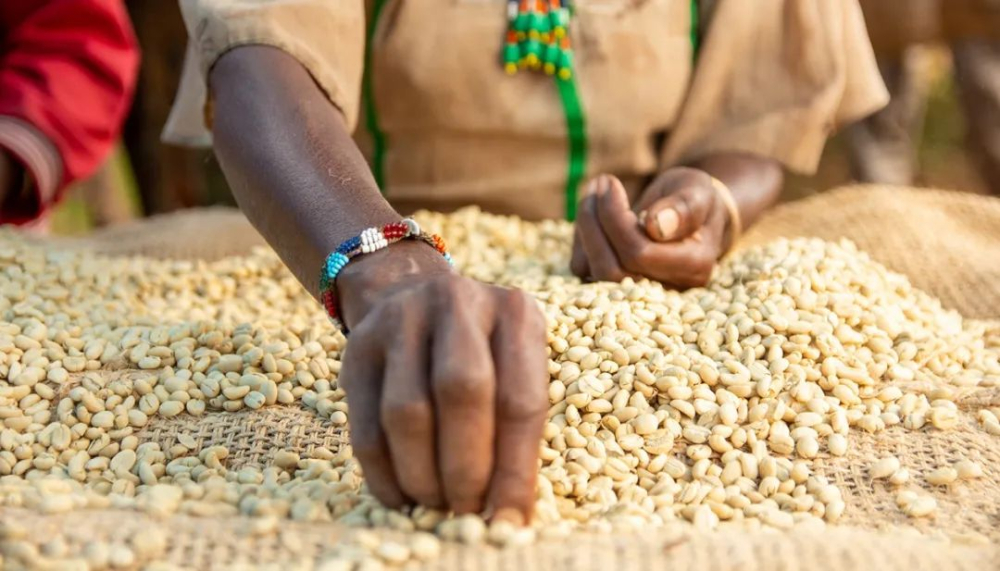
To boost the international competitiveness of its coffee industry, the Ethiopian government registered the flavor profiles of three major regions—including Yirgacheffe—in 2004 as commercial trademarks, and established the Ethiopia Commodity Exchange (ECX) in 2008, incorporating coffee into a public auction system. The government enforces strict grading and flavor classification for exported coffee, ensuring buyers can acquire beans with specific regional characteristics. Coffee labeled as having a “Yirgacheffe flavor” may originate from administrative regions such as Yirgacheffe, Wenago, Gelena Abaya, and Kochere, provided it passes the official flavor certification.
A well-known coffee shop’s Yirgacheffe everyday bean is made from washed G2 grade coffee beans. So, what does G2 mean? In Ethiopia’s grading system, green beans are divided into natural (sun-dried) and washed categories, then graded based on the number of defective beans and cupping performance. Among the G-grade classifications, G1 is the highest grade, allowing no more than 3 defective beans per 300 grams of green beans, while G2 permits 4 to 12 defective beans per 300 grams. Although manual sorting is performed before and after roasting, the difference in defects between G1 and G2 becomes less noticeable at the roasted bean stage. Therefore, G2 grade Yirgacheffe not only delivers outstanding flavor but also offers excellent cost-performance value.
Why choose washed Yirgacheffe? The answer lies in its unique process. Washed processing relies on a stable source of clean water and specialized washing tanks, resulting in relatively higher production costs. During the process, fermented coffee beans undergo multiple washes and friction to remove mucilage and impurities, leading to more consistent green bean quality and a significantly lower defect rate. This method gives Yirgacheffe a cleaner, brighter acidity along with fresh, elegant floral and fruity aromas—key traits that set it apart from other processing methods.
A well-known coffee shop’s Yirgacheffe everyday bean is medium-light roasted using washed processing, making it suitable not only for pour-over but also for cold brew, French press, and various other brewing methods. This everyday bean is affordably priced, allowing beginner coffee lovers to experience the region’s classic flavors at a reasonable cost. Its small packaging design also helps prevent the beans from losing flavor due to prolonged storage. If you want to experience the most iconic aromas and acidity of Yirgacheffe, pour-over black coffee is definitely the way to go.
Recommended pour-over parameters are as follows:
- Filter dripper:V60
- Brewing water temperature:92-93°C
- Coffee dosage:15 grams
- Coffee-to-water ratio:1:15
- Grind size:Granulated sugar size (approximately 78% coarseness as screened through a #20 sieve)
Three-stage pouring steps:
- First, pour water equal to twice the coffee dosage (about 30 grams) to bloom, allowing the coffee grounds to fully absorb water. The bloom time is about 30 seconds;
- Next, pour water in small streams in a circular motion from the inside out until the total water volume reaches 125 grams, then pause and wait for the coffee bed to descend to about half the height of the dripper;
- Finally, pour the third stage with the same fine stream until the total water volume reaches 225 grams. The overall extraction time is about 2 minutes, after which remove the dripper to complete the brew.
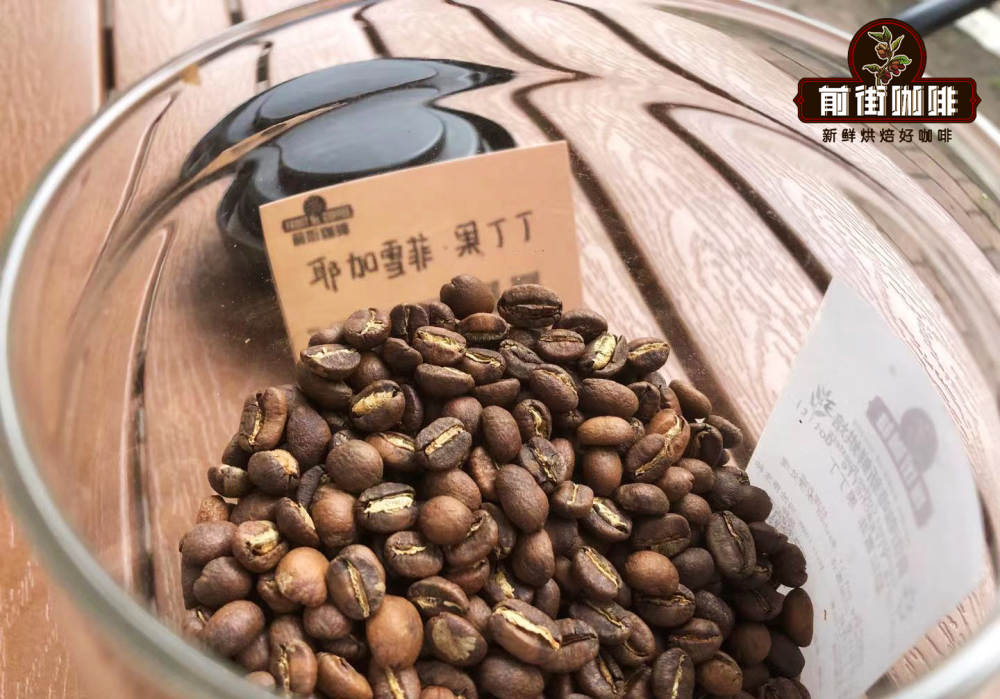
When ground, washed Yirgacheffe emits faint hints of honey and jasmine. After pouring water, berry aromas gradually emerge. On the palate, bright lemon and citrus acidity come first, accompanied by a green-tea-like fresh tea body. As the temperature drops, the aftertaste reveals sweet layers of berries, cream, and sugarcane. The overall mouthfeel is clean and refreshing, with a pronounced sweetness lingering afterward—making it a classic African bean that pour-over enthusiasts shouldn’t miss.
The above content is compiled by CoffeeHunters, a coffee news website.


