







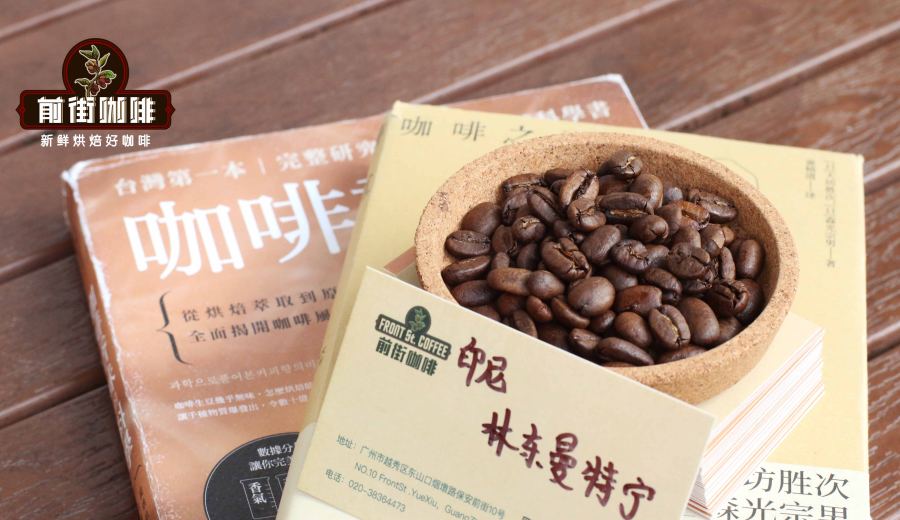
Introduction:Want to brew a bold and sweet Mandheling coffee at home? This article explains in detail the characteristics of Mandheling beans that suit Asian palates, starting from bean variety and processing method, and guides you through the pairing tips of 88°C water temperature, 1:15 coffee-to-water ratio, and the KONO filter. It also provides a professional three-stage pour over method and time control advice, so even beginners can avoid over-extraction bitterness and bring out nutty and caramel layers.
As a classic representative of Asian beans, Mandheling coffee is known for its bold flavor and unique herbal and pine aromas. If you're used to the bright fruity acidity of Ethiopian coffee, your first encounter with Mandheling might feel intense, but by adjusting your brewing method, you can appreciate its sweet balance of nuts, chocolate, and caramel. This article will delve into the variety characteristics and processing differences of Mandheling, and share professional pour over parameters to teach you how to use the correct water temperature, grind size, and technique to brew a smooth and bold coffee.
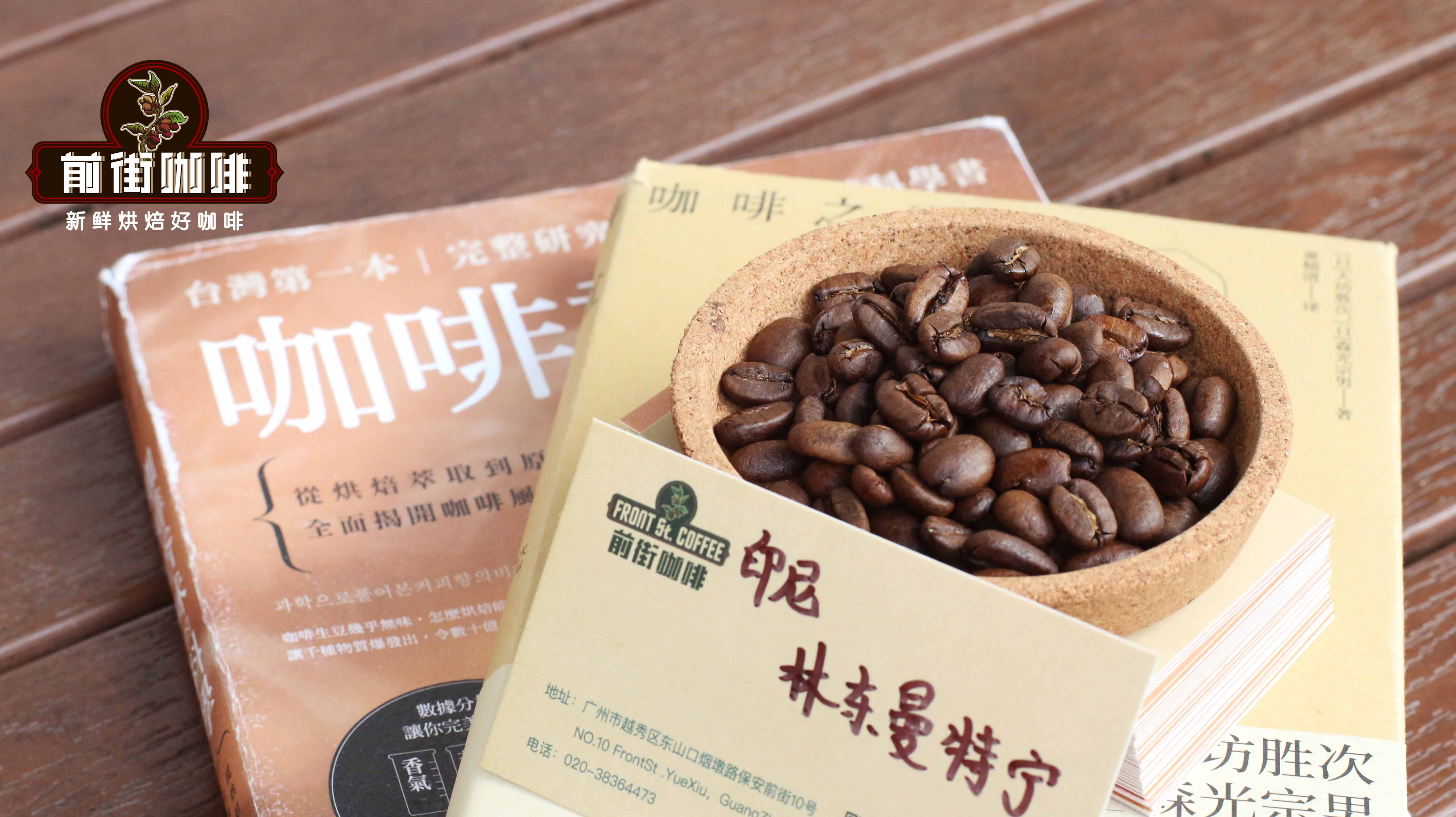
The unique flavors of Mandheling originate from the volcanic soil and tropical rainforest climate of Sumatra. This producing region sits at an altitude of about 600 to 1200 meters. Although rich in minerals, the low-altitude environment results in less pronounced acidity, and instead develops rich herbal and spicy notes. The beans are larger and harder, and require strict manual sorting after harvest. Though their appearance may not be appealing, they are considered "the uglier, the bolder." In particular, Golden Mandheling, as a popular everyday bean, is beloved by coffee enthusiasts who prefer a bold flavor.
When it comes to varieties, some Mandheling is labeled as Tim Tim Ateng, while Golden Mandheling is labeled as Ateng. These are actually local Indonesian terms for hybrid varieties, belonging to the Catimor branch of Arabica and Robusta crosses, suitable for cultivation in Aceh. Due to differences in naming conventions, many consumers are unfamiliar with these names, but they are simply localized terms. Understanding the variety background can help you better appreciate the uniqueness of Mandheling’s flavor.
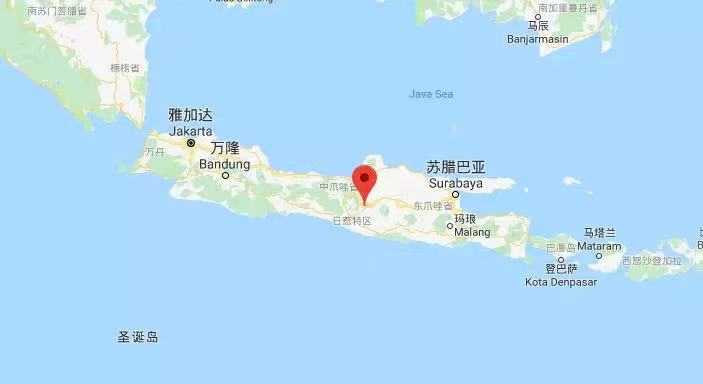 The special flavor of Mandheling is also closely related to its semi-washed processing method (wet hulling). The tropical rainforest climate of Indonesia brings frequent rainfall, making sun drying unfavorable, and economic limitations have led to the development of this unique technique: after removing the pulp, the beans are fermented, then rinsed with a small amount of water to remove the mucilage, and finally dried. This method creates Mandheling’s typical traits of low acidity, full body, and earthy aroma, distinctly setting it apart from other regions.
To brew Mandheling and fully express its flavor profile, key parameters must not be overlooked. It is recommended to usethe KONO filterwith88°C water temperature,a 1:15 coffee-to-water ratio(15 grams of coffee to 225 milliliters of water), and choosea coarse grind size with 70% extraction through a #20 mesh sieve. The rib design of the KONO filter is concentrated from the bottom to the middle, and the smooth upper wall reduces bypass water, enhancing body — especially suitable for medium to dark roasted Mandheling. A slightly coarser grind prevents over-extraction of deeply roasted beans due to their loose structure, which could lead to burnt bitterness; if too fine, the flavor becomes thin like water.
The specific pour over steps follow a three-stage pouring method:The first stage is a 30ml bloomto wet all coffee grounds and release CO₂, lasting 30 seconds;the second stage involves pouring in a small circular motion up to 125g, then pausing once the coffee bed is exposed;the third stage continues pouring until the total water reaches 225g, and the filter is removed once dripping stops. The total extraction time is controlled within2 minutes. This process fully highlights Mandheling’s herbal aroma, dark chocolate, and caramel sweetness. Be aware that too high a water temperature can cause burnt bitterness, while too low may result in a flat flavor with possible sourness.
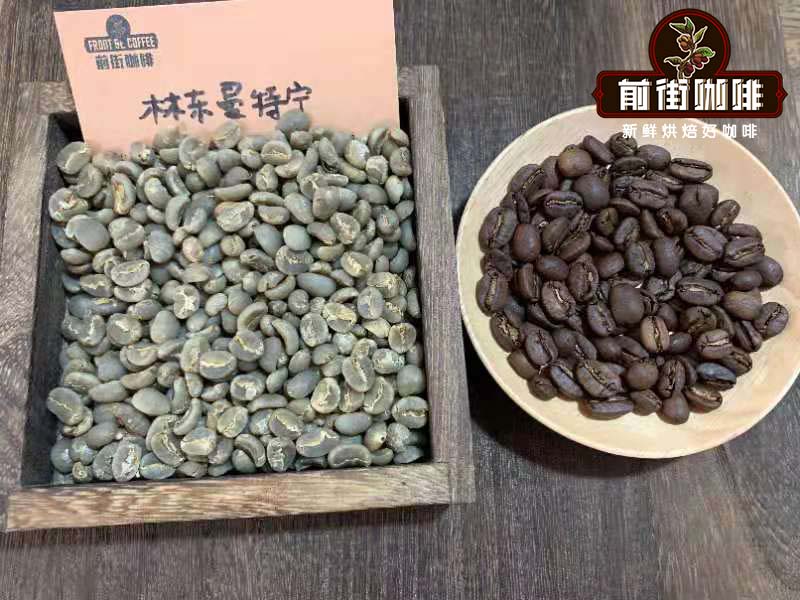
It is recommended to use freshly roasted coffee beans within 5 days of roasting for the best flavor. The beans benefit from a 4–7 day resting period after delivery, when the flavor is most balanced. If purchasing pre-ground coffee, although resting is not needed, brew as soon as possible to avoid oxidation — grinding fresh just before brewing is ideal to preserve full aroma. Additionally, besides Mandheling from Lintong and Golden Mandheling, the coffee list also offers diverse options such as Ethiopian floral beans and Colombian nutty-chocolate profiles, perfect for exploring different regional characteristics.
The above content is compiled by CoffeeHunters, a coffee news website.


