







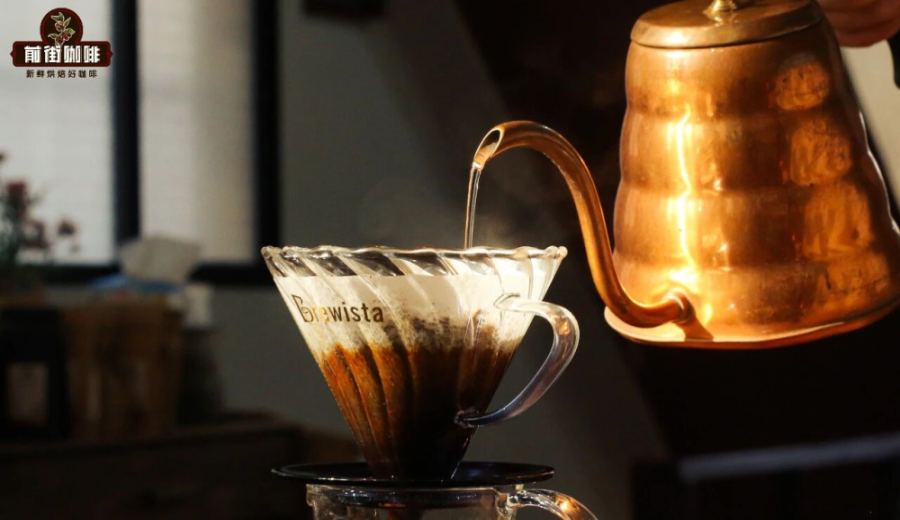
Introduction:Pour over coffee may seem simple, but many beginners often end up with unstable extraction and unbalanced flavors due to neglecting grind uniformity, equipment preparation sequence, pouring techniques, and time management. This article delves into five commonly overlooked key details in the pour over process—from grinder selection, grind timing, pre-pour checks, extraction time control, to post-brew coffee liquid mixing—and supplements practical parameters and common mistakes to help you refine your pour over skills and brew more balanced, layered coffee.
The charm of pour over coffee lies in the ability to manually control each step, thereby showcasing the most authentic flavor profile of the coffee beans. However, many beginners tend to focus on the general process while ignoring those seemingly minor yet highly impactful elements—such as grind uniformity, pour stability, or even post-brew coffee liquid mixing. Failure to properly master these details can easily result in coffee that is either as weak as water or overly bitter and burnt-tasting.
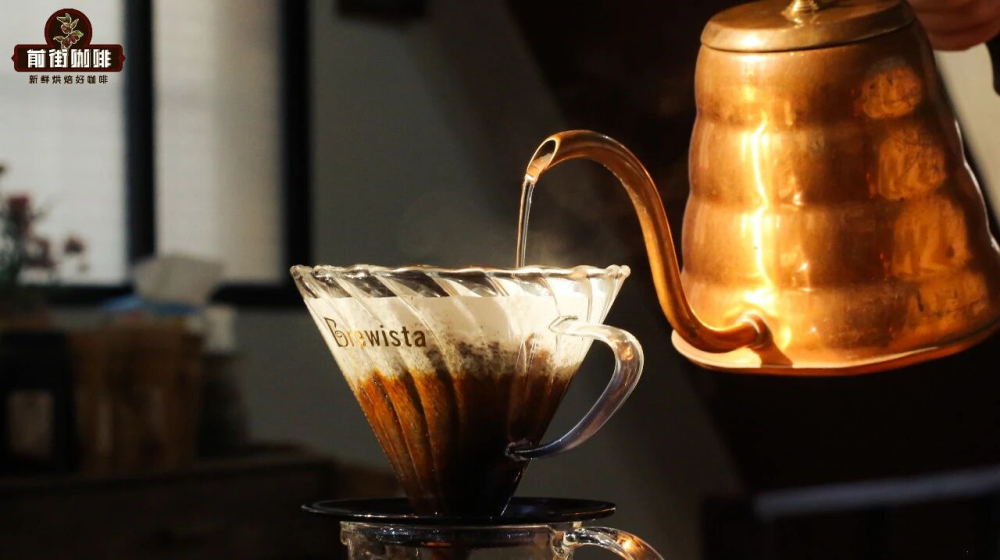
In fact, brewing a great cup of pour over coffee doesn’t require overly complex techniques, but it does require attention to some easily overlooked aspects. Below, we’ll detail the five most commonly ignored key details, including how to choose the right grinder, when the best time to grind coffee beans is, what to check before pouring, how to control the overall extraction time, and how to handle the coffee liquid after brewing—so you can adjust step by step and ultimately achieve stable and delicious results.
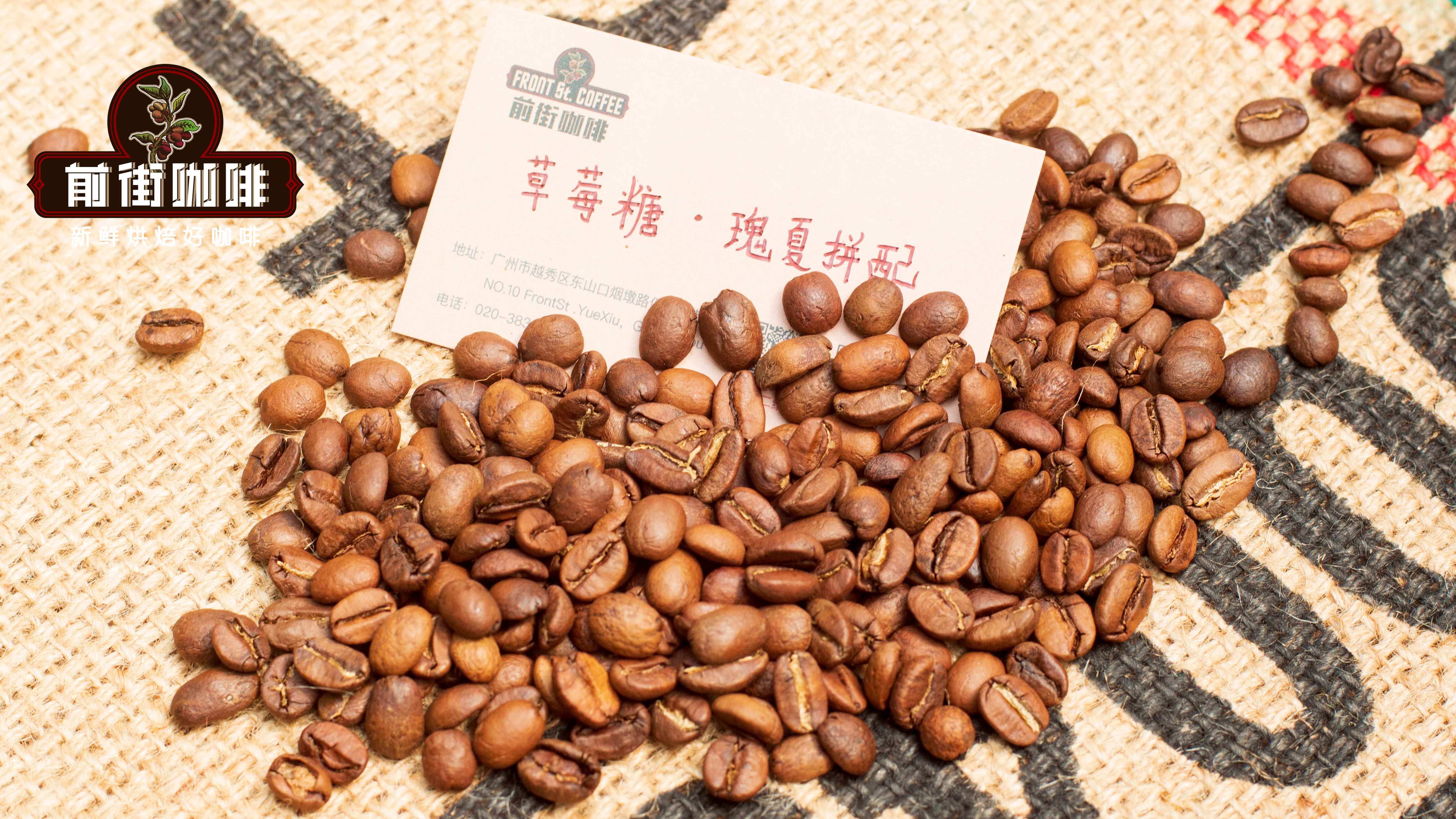
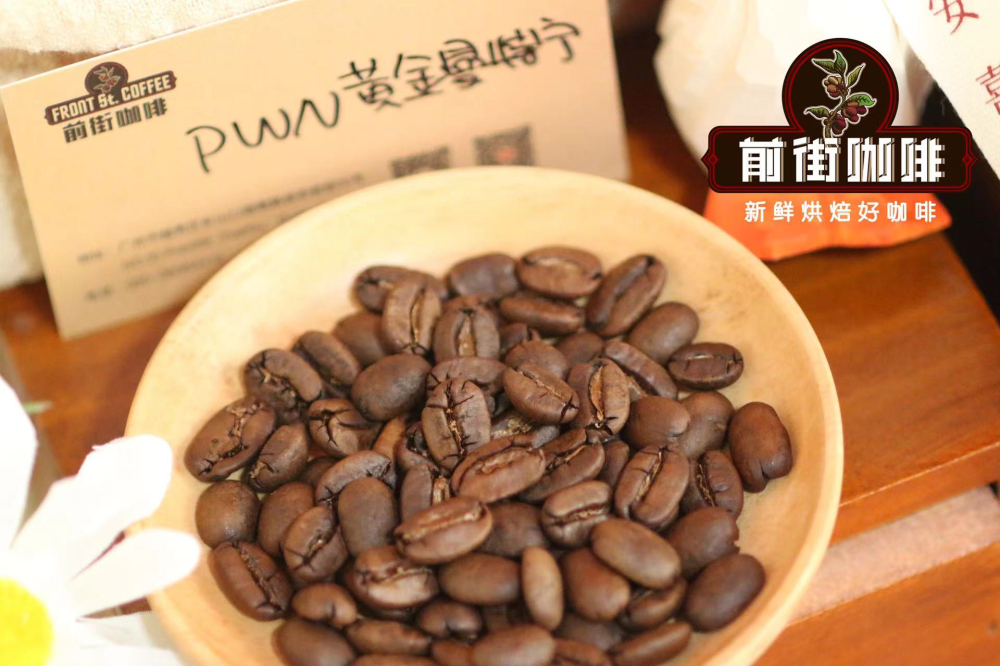
First, selecting the right coffee beans is the first step to achieving good flavor. Whether you’re a beginner or already have some experience, it’s recommended to prioritize freshly roasted, high-quality Arabica beans—that’s the foundation for ensuring a rich flavor profile. If you prefer bright fruity notes and vibrant acidity, you can try options with lively profiles like strawberry candy, cherry tomato, or Huakui; if you lean toward a richer, lower-acid taste, you might consider medium-to-dark roasted varieties such as Queen Estate, PWN Golden Mandheling, or Lanshan No. 1.
Detail 1: Grinder selection is absolutely non-negotiable
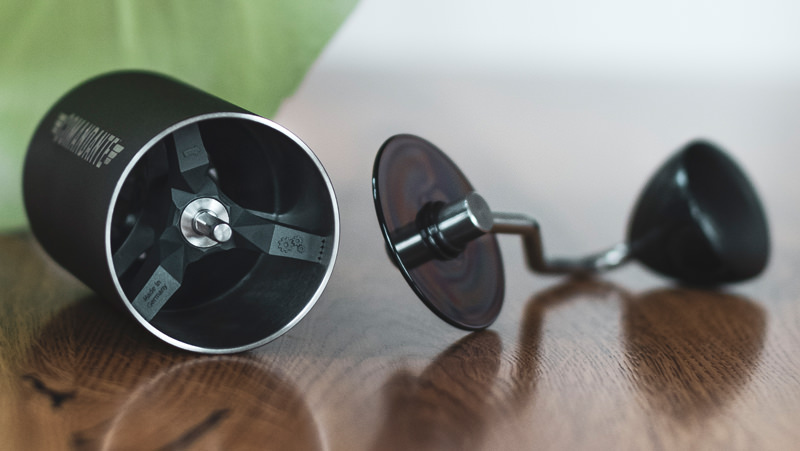
One of the biggest issues many beginners face during pour over often relates to grind size. But upon further analysis, the root cause is often not technique or judgment, but rather insufficient quality of the grinder itself, resulting in unevenly ground coffee particles. Uneven grind size directly affects water flow speed and extraction efficiency, which can ultimately make the coffee too weak or unbearably bitter. Therefore, if you truly want to improve your pour over quality, investing in a grinder that delivers consistent and uniform grind results is absolutely essential.
Detail 2: Grinding should be the final step in preparation
Pour over coffee emphasizes grinding just before brewing, mainly because once coffee beans are ground into powder, their aromatic compounds begin to volatilize rapidly and are extremely prone to loss. Therefore, it’s recommended that before you actually start grinding, you first set up your filter cone, server, and other equipment, and heat the water to the target temperature. Once everything is ready, proceed to grind the coffee beans—this way, you can preserve the aroma to the greatest extent and enhance the flavor performance of the final brew.
Detail 3: Don’t skip the pre-pour detail checks
Before you actually start pouring water, it’s recommended to perform a quick but comprehensive check. First, confirm whether there’s any leftover water in the lower vessel, as during the process of wetting the filter paper and preheating the server, excess water often accumulates in the lower vessel. If you don’t pour this out before starting to pour, it will dilute the coffee concentration and affect the overall extraction result. In addition, even if you’ve done this many times before, it’s still advisable to zero the scale before pouring in the coffee grounds—this ensures the accuracy of the coffee powder weight you measure and avoids issues like “powder loss” during the grinding process, which could result in an insufficient actual amount of coffee.
Detail 4: The trick to precisely controlling extraction time
Extraction time is one of the key factors influencing the flavor presentation of pour over coffee. Many people find it challenging enough to control the end time of pouring, let alone the subsequent phase where the coffee liquid drips naturally. However, as long as you’ve chosen the appropriate grind size, the pouring technique actually has a significant impact on time. Generally speaking, the more pours (or stages) you do, the longer the overall extraction time. For example, the single-pour method (pouring all the water at once) typically results in an extraction time about 15 to 20 seconds shorter than the three-pour method. Additionally, a larger water flow can quickly lift the coffee bed, widening the bottom channels and accelerating water flow, thus relatively shortening extraction time; whereas a smaller water flow helps prolong contact between water and coffee grounds, suitable for extracting more delicate flavors. In practice, you can flexibly alternate between different water flows to adjust the overall extraction time to an ideal range—generally recommended to keep total extraction time between 1 minute 50 seconds and 2 minutes 10 seconds.
Detail 5: Remember to shake the coffee liquid in the lower vessel after brewing
After you finish pouring and waiting for the drip to complete, the coffee liquid in the lower vessel is often not fully mixed—commonly resulting in a stronger concentration at the bottom and a milder taste at the top. At this point, it’s recommended to gently shake the lower vessel to allow the entire coffee liquid to blend thoroughly, ensuring each sip presents a more consistent flavor. If you’re using a smoothly designed, easy-to-shake server like the Yun Duo (Cloud) server, it will be even more helpful in completing this step and enhancing the overall drinking experience.
The above content is compiled by CoffeeHunters, a coffee news website.


