








Introduction:To easily make a well-balanced iced Americano at home, the key lies in mastering the extraction techniques and proportioning of espresso. This article walks through the entire process of making a standard iced Americano—from selecting bean varieties and adjusting the coffee-to-water ratio, to fine-tuning grind size, controlling the amount of ice and water—and delves into how crema affects flavor, as well as how adding sugar or milk can alter the overall taste. Whether you’re a beginner or an experienced coffee enthusiast, these practical details can help elevate your everyday coffee experience.
The core of making a satisfying iced Americano actually lies in understanding the principles of espresso extraction. Though an iced Americano may seem simple—just espresso and water—the final flavor profile is closely tied to the quality of the coffee beans and the precision of the extraction.
If you prefer a bold flavor with nutty aromas, it’s recommended to choose medium-to-dark roasted coffee beans. For example, blends combining Brazilian and Colombian beans often feature notes of roasted peanuts, caramel, and creamy chocolate, with a smooth and mellow mouthfeel—perfect for those who dislike pronounced fruit acidity and seek a stable, consistent flavor.

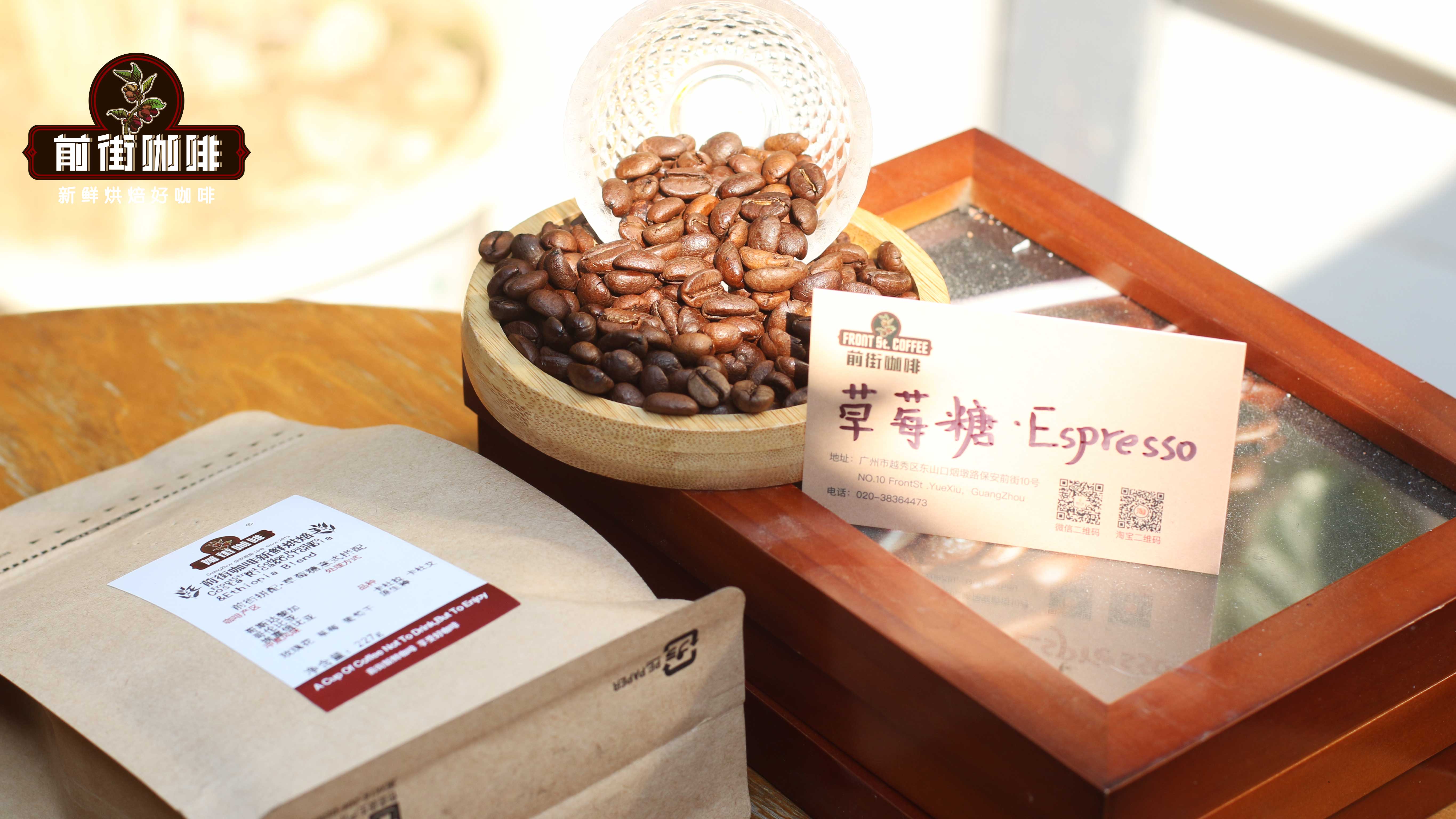
For those who are sensitive to bitterness or prefer a sweeter taste, you might consider blends with more prominent sweetness. These beans are often crafted by blending beans from fruit-growing regions, resulting in richer aromatic layers. For instance, blends that include Costa Rican honey-processed beans, Colombian Huila, and Ethiopian Yirgacheffe can showcase enticing fruit notes such as rose, grape, and dried blueberry, while maintaining moderate crema.
When making espresso, it’s advised to start with the classic golden extraction ratio: a 1:2 coffee-to-liquid ratio, with an extraction time controlled between 25 to 30 seconds. The amount of coffee grounds should be adjusted based on the capacity of your portafilter basket. For example, for a basket with a capacity of about 20g, use 19 to 21g of coffee grounds; if the basket holds only 18g, then 17 to 19g of coffee grounds is recommended.
In practice, you can first visually select a grind size close to what you need and perform a trial extraction, then fine-tune according to the actual extraction time. If the flow rate is too fast and the extraction time is too short, it means the grind is too coarse—you should grind the coffee finer. Conversely, if the flow rate is too slow and the time exceeds expectations, you’ll need to adjust the grind to be coarser.

Once you can consistently extract espresso with your desired flavor, you can try making various specialty coffee drinks, such as the ever-popular iced Americano. Here's a common method used by most cafes:
1. Prepare a coffee cup with a capacity of at least 300ml.
2. Add about 100g of ice cubes first.
3. Pour in approximately 180ml of room temperature or cold water.
4. Finally, pour the freshly extracted espresso (about 30–40ml) directly over the ice and water—a refreshing iced Americano is complete.
Many people ask: can you add sugar or milk to an iced Americano? The answer is yes. For those who are less tolerant of bitterness, adding a moderate amount of sugar or milk not only softens the flavor but also adds complexity, making the overall taste smoother. Additionally, a standard Americano often has a thin layer of golden, delicate foam on the surface—known as crema. This crema not only enhances the drinking texture but also contributes extra aroma to the olfactory experience, and serves as an important indicator of the freshness of the coffee beans.
If you want richer crema, many baristas opt for dark-roasted espresso beans, which inherently have a bolder, bitter-sweet flavor profile. However, if the parameters for dark roast beans are not set properly, the result can be an overly dry or rough mouthfeel. In such cases, adding a small amount of milk can not only neutralize the bitterness but also improve the drink’s smoothness and overall fullness, making flavors like caramel and chocolate more vivid and pronounced.
The above content is compiled by CoffeeHunters, a coffee news website.


