








Introduction:Have you ever wondered why Blue Mountain coffee commands such high prices, while Americano is an everyday staple? This article delves into the fundamental differences between these two classic coffees—from origin, bean variety, roasting, to brewing methods—and provides KONO filter pour over parameters and common blend ratios to help you better understand what makes your cup of coffee unique.
In the world of coffee, Blue Mountain coffee and Americano represent two extremes of drinking experiences. The former hails from Jamaica’s Blue Mountains and is regarded as a top-tier single-origin coffee among enthusiasts, while the latter, thanks to its simple brewing process and universal accessibility, has become the most widespread form of black coffee worldwide. Where do they come from, how are they brewed, and what kind of flavors do they offer? Let’s start with the basics.
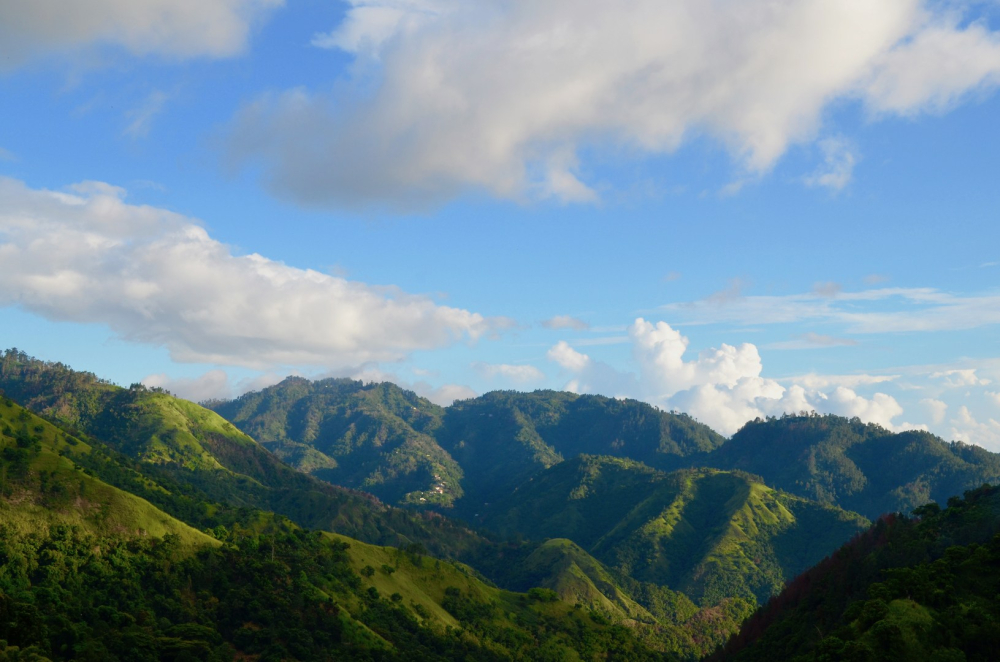
First, let’s talk about Blue Mountain coffee—the name originates from the mountainous landscape of Jamaica’s Blue Mountain region. When sunlight shines upon the blue sea and the reflected light casts a glow on the mountaintops, it creates a unique bluish visual effect, hence the area's name, "Blue Mountain." However, not all coffee grown in the Blue Mountains can be called Blue Mountain coffee. Strictly speaking, only beans grown at specific altitudes and meeting certain quality grades can bear this title.
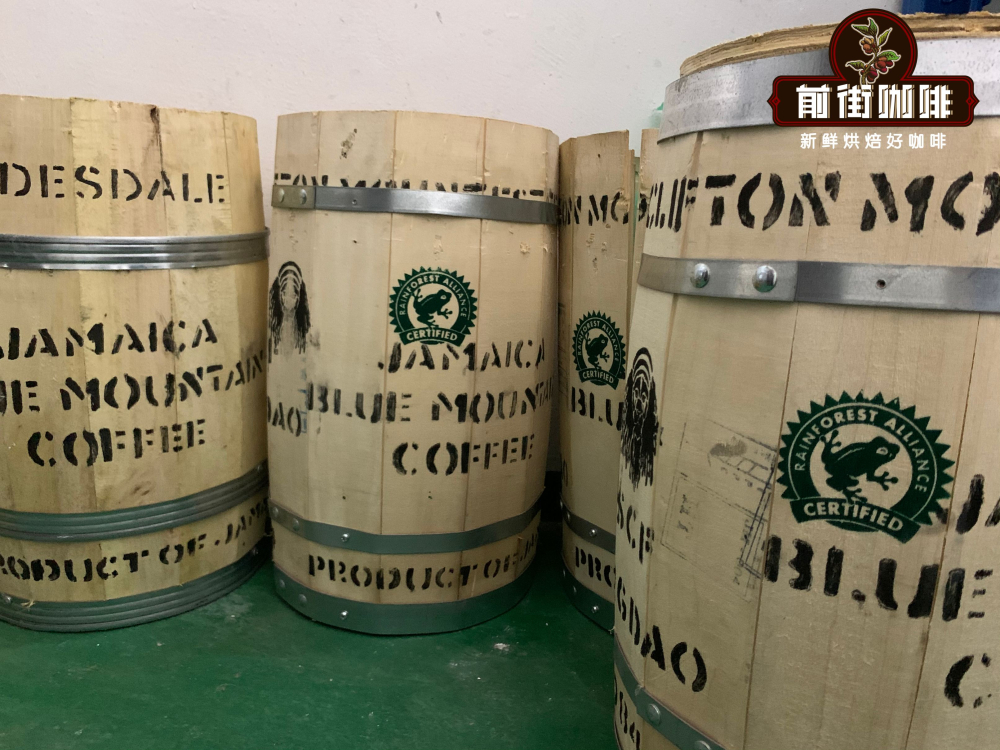
Jamaica Blue Mountain coffee is categorized into several grades based on altitude and green bean conditions. Among them, Blue Mountain No. 1 is considered the highest-grade offering. Its green beans must come from elevations between 1,000 and 1,700 meters, have bean sizes of 17/18 mesh, and a defect rate below 2%. These stringent criteria contribute to the high price and rarity of Blue Mountain No. 1 in the market. Such coffee beans typically feature rich notes of nuts and dark chocolate, with balanced acidity, sweetness, and bitterness, along with a full-bodied mouthfeel—making it the dream flavor for many coffee connoisseurs.
When brewing Blue Mountain No. 1, it is recommended to use a KONO filter with medium-light to medium roast grinding. Taking a common pour over practice as an example, using 15 grams of coffee grounds with water temperature controlled at 88°C and a brew ratio of 1:15 can fully highlight its layered profile. The KONO filter is designed with a smooth upper section and short ribs at the bottom; when the filter paper is attached, it aids in even drainage, enhancing the extraction body. Additionally, since Blue Mountain No. 1 is often medium-dark roasted, the grind size is advised to be around 75% passing through a 20-mesh sieve in China, to avoid over-extraction and burnt bitterness due to too fine a grind.
During actual pour over, start by pouring 30 grams of hot water for a 30-second bloom, then slowly circle the water from the center outwards until you reach 125 grams. Once the water level drops slightly, continue pouring to 225 grams. The total brewing time is about 2 minutes. This method brings out the distinctive nutty aroma and full-bodied texture of Blue Mountain coffee, with harmonious flavors and a long-lasting aftertaste.
Now let’s look at Americano—it actually didn’t originate in America, but was created during World War II when American soldiers diluted strong European espresso with plenty of hot water to suit their palates. Initially somewhat mocking in tone, it was dubbed "Americano," which is now the well-known term we use today.
The base of an Americano is espresso, and such espresso is typically made from blended beans. The purpose of blending is to stabilize flavor and mouthfeel, avoiding the overly sharp or jarring characteristics that single-origin beans might exhibit. For instance, a common blend might combine Honduran Sherry and Ethiopian Natural Red Cherry—the former brings vanilla, cream, and wine notes, while the latter adds berry and fermentation layers. Brewing usually involves high-pressure extraction, with precise control over the ratio of coffee to water to ensure the concentrated liquid is thick and flavorful.
When making hot Americano, a common coffee-to-hot water ratio is 1:4.5, highlighting a complex of winey, vanilla, and chocolate notes with a rounded mouthfeel—ideal for daily drinking. If making iced Americano, the dilution effect from melting ice must be considered; a general recommendation is a ratio of coffee liquid : ice : water = 1:2.5:3, ensuring the overall flavor remains balanced over time.
In summary, although both Blue Mountain coffee and Americano fall under the category of black coffee, they differ greatly in origin, quality, processing methods, and brewing techniques. Blue Mountain coffee emphasizes single-origin sourcing and handcrafted, refined extraction—best enjoyed slowly to savor its delicate nuances. In contrast, Americano is valued for its convenience, consistency, and mass appeal, making it an essential daily pick-me-up for many. Whether you prefer one over the other, understanding their stories and brewing details will allow you to better appreciate the cup in your hand.
The above content is compiled by CoffeeHunters, a coffee news website.


