







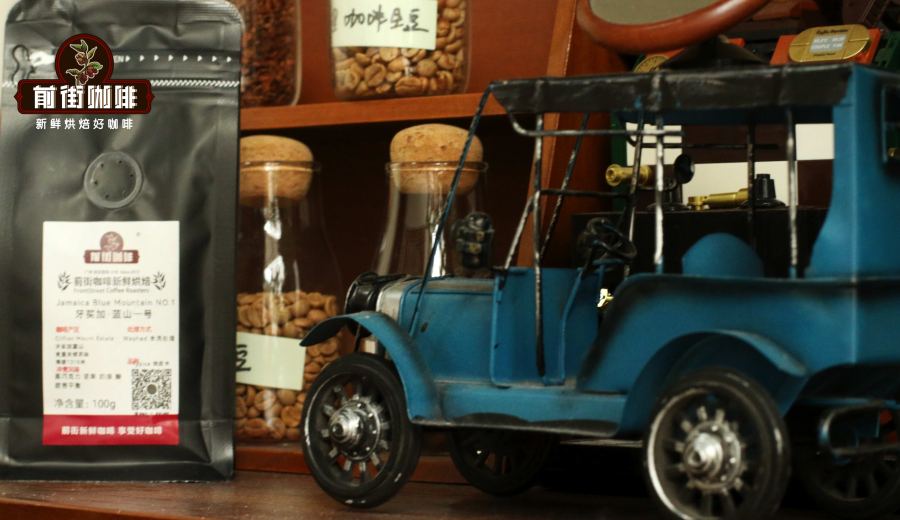
Introduction:Blue Mountain coffee and espresso represent the pinnacles of specialty coffee and Italian-style beverages, respectively, but do you understand the fundamental differences between them in terms of flavor, origin, and production philosophy? This article delves into the historical background, variety characteristics, grading standards, and packaging features of Jamaican Blue Mountain coffee. Starting with the regulatory systems of CIB and JACRA, it explores the uniqueness of Blue Mountain No. 1. The latter half takes a practical approach, guiding you on how to make an SOE latte with Blue Mountain beans and offering professional advice on coffee bean freshness and resting.
When discussing the world’s top-tier coffees, “Blue Mountain coffee” is almost a universally recognized legend, while “espresso” is the soul of modern cafés. Though equally captivating, they differ greatly in flavor profile, origin, processing method, and even brewing logic. What are the essential differences between Blue Mountain coffee and espresso? What makes Jamaican Blue Mountain stand firm in the global specialty coffee market? This article begins with the balanced richness and nutty undertones of Blue Mountain coffee, introducing its long-standing regional history and stringent quality control system, while also analyzing the extraction principles of espresso and walking you through the complete process of making a “Blue Mountain No. 1 SOE Latte.”
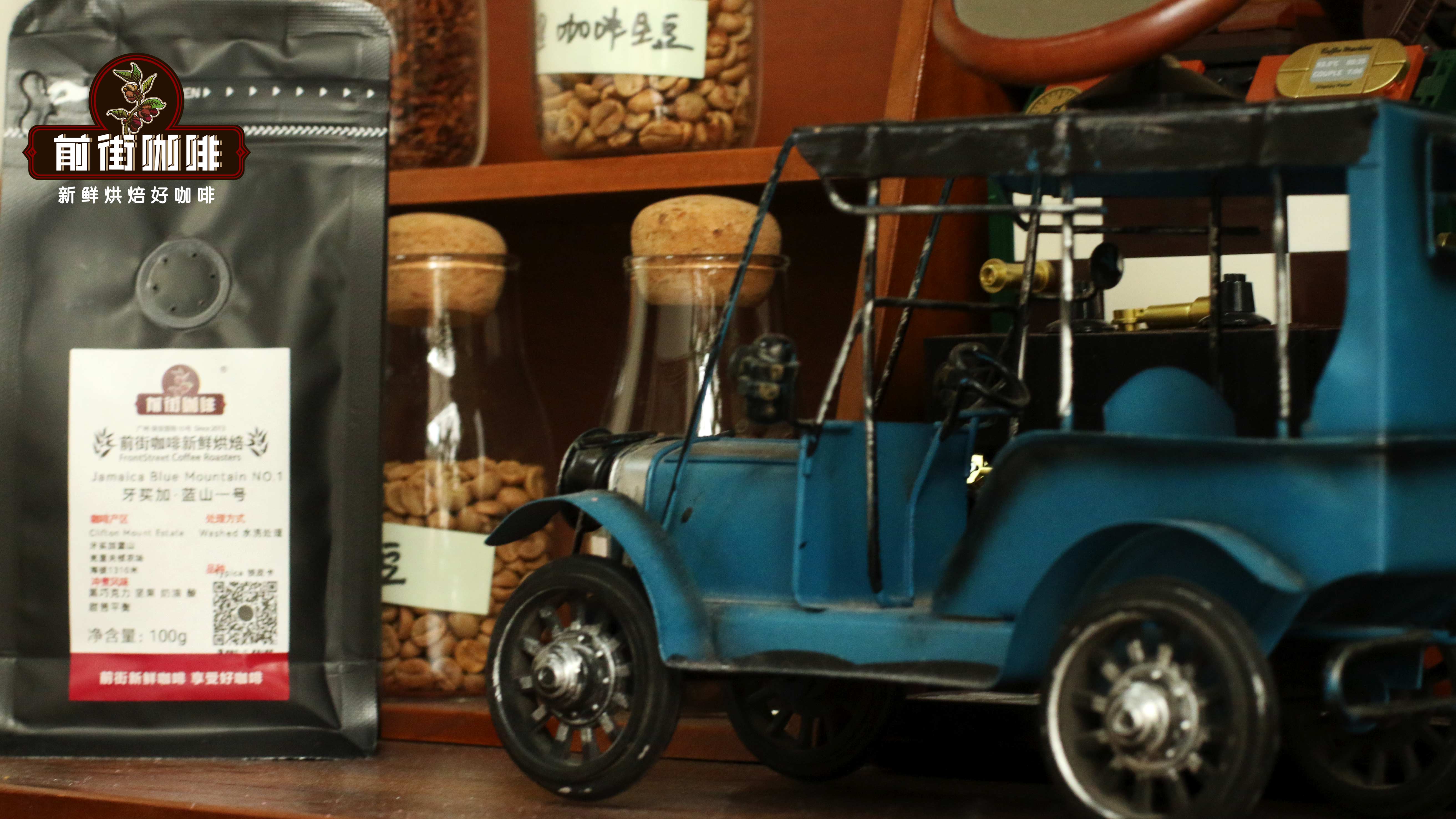
A certain brand’s Blue Mountain coffee has long been hailed as “the smoothest coffee in the world,” known for its balanced and rich taste. It is especially suited for brewing via siphon or pour over, delivering its original flavors without the need for added sugar or milk. This coffee boasts a clear and distinct nutty aroma, a bold and full-bodied mouthfeel, and extremely low acidity that is barely noticeable—making it a dream brew for many coffee enthusiasts. In contrast, espresso is an ultra-concentrated extraction technique that uses high pressure and high temperature to extract a rich, intense, and multi-layered coffee liquid from finely ground beans in a short period of time. This method forms the foundational core of many classic coffee drinks such as lattes and cappuccinos.

However, despite Blue Mountain coffee’s worldwide fame, it is rarely used to make espresso. Do you know why? The answer is closely tied to its origin, variety, processing method, and even roasting characteristics. Let’s start with the history of Blue Mountain coffee. Jamaica’s coffee cultivation history dates back to 1728, when the first coffee seedlings were introduced to the island. Between 1800 and 1838, Jamaica was once the world’s largest coffee producer, with annual output reaching as high as 70,000 metric tons. But after the abolition of slavery in 1838, many farmers turned to cultivating other cash crops, leading to a sharp decline in the coffee industry.
To revitalize the industry, the Jamaican government implemented planting reforms starting in 1891, but with limited success. It wasn’t until 1944, with the establishment of the Central Coffee Clearing House, and in 1948, with the delineation of the legal growing area for “Blue Mountain coffee,” that a regional certification system began to take shape. According to the Coffee Industry Regulation Act enacted in 1948, Blue Mountain coffee can only be called “Jamaican Blue Mountain coffee” if it is grown at elevations between 915 and 1700 meters within the four administrative regions of Saint Andrew, Saint Thomas, Portland, and Saint Mary, and is of the Typica variety.
Typica, the main variety used in Blue Mountain coffee, features a tall tree stature and copper-colored top leaves, hence also referred to as “red-top coffee.” The coffee beans of this variety are large, slender in shape, and pointed at both ends, resembling the appearance of an egg. Its flavor profile often showcases clear citrus acidity paired with a gentle sweetness, regarded as an elegant and multi-layered classic representative. However, Typica also has notable drawbacks, such as very poor disease resistance—it is highly susceptible to leaf rust and berry diseases. Additionally, its tall tree height makes harvesting difficult, resulting in low yields. Cultivation thus poses significant challenges and requires strict management along with a favorable natural environment to produce high-quality coffee.
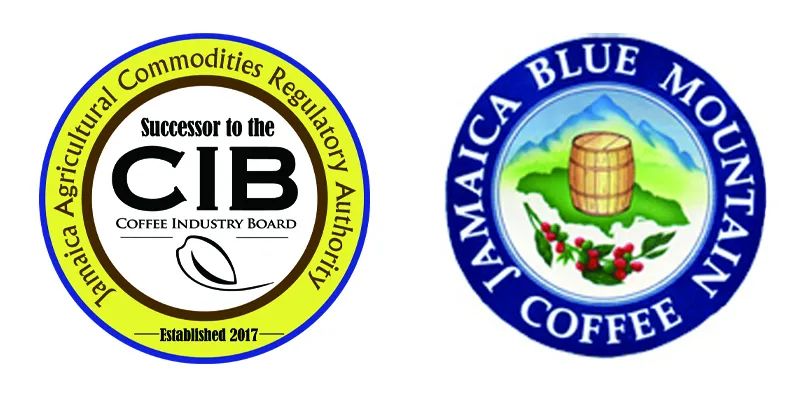
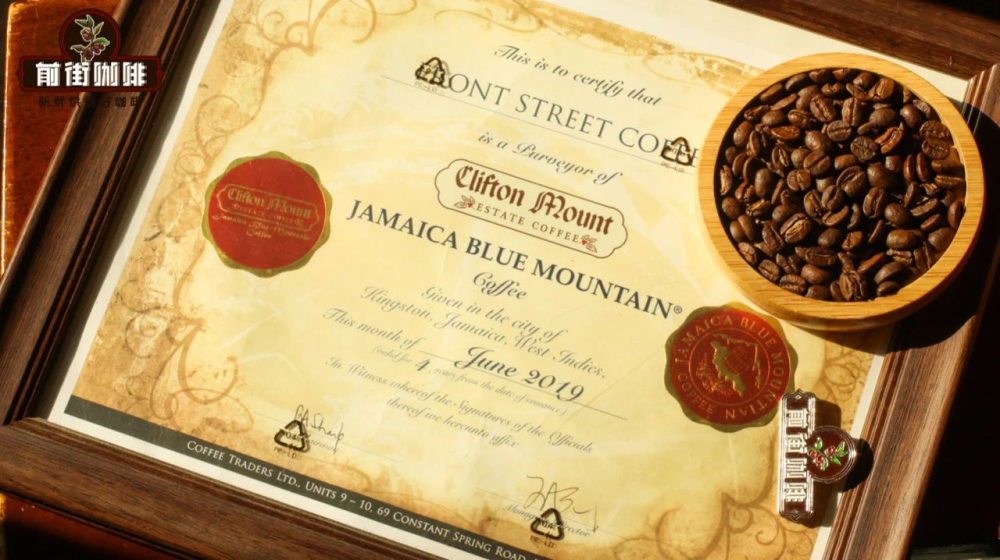
The Jamaican government, fully aware of Blue Mountain coffee’s potential, established the Coffee Industry Board (CIB) in 1950 to oversee quality control and protect the brand’s reputation. The CIB not only formulated strict certification systems and quality grading standards but also introduced exclusive wooden barrel packaging to ensure the beans maintain optimal quality during transportation and storage. All exported Blue Mountain coffee must pass CIB quality inspections and bear official certification marks to guarantee its authenticity. In 2018, the CIB merged with other statutory agencies to form JACRA (Jamaica Agricultural Commodities Regulatory Authority), which continues to oversee the quality of Blue Mountain coffee.
Blue Mountain coffee is graded based on bean size, defect rate, and altitude. Among these, “Blue Mountain No. 1” is the highest grade, limited to beans grown above 1200 meters in altitude, with uniform size and an extremely low defect rate. These green coffee beans are all packaged in traditional wooden barrels, which help maintain moisture and aroma, preventing deterioration during transit. If you see a Blue Mountain wooden barrel in a shop, it’s very likely a symbol of authentic Blue Mountain coffee.
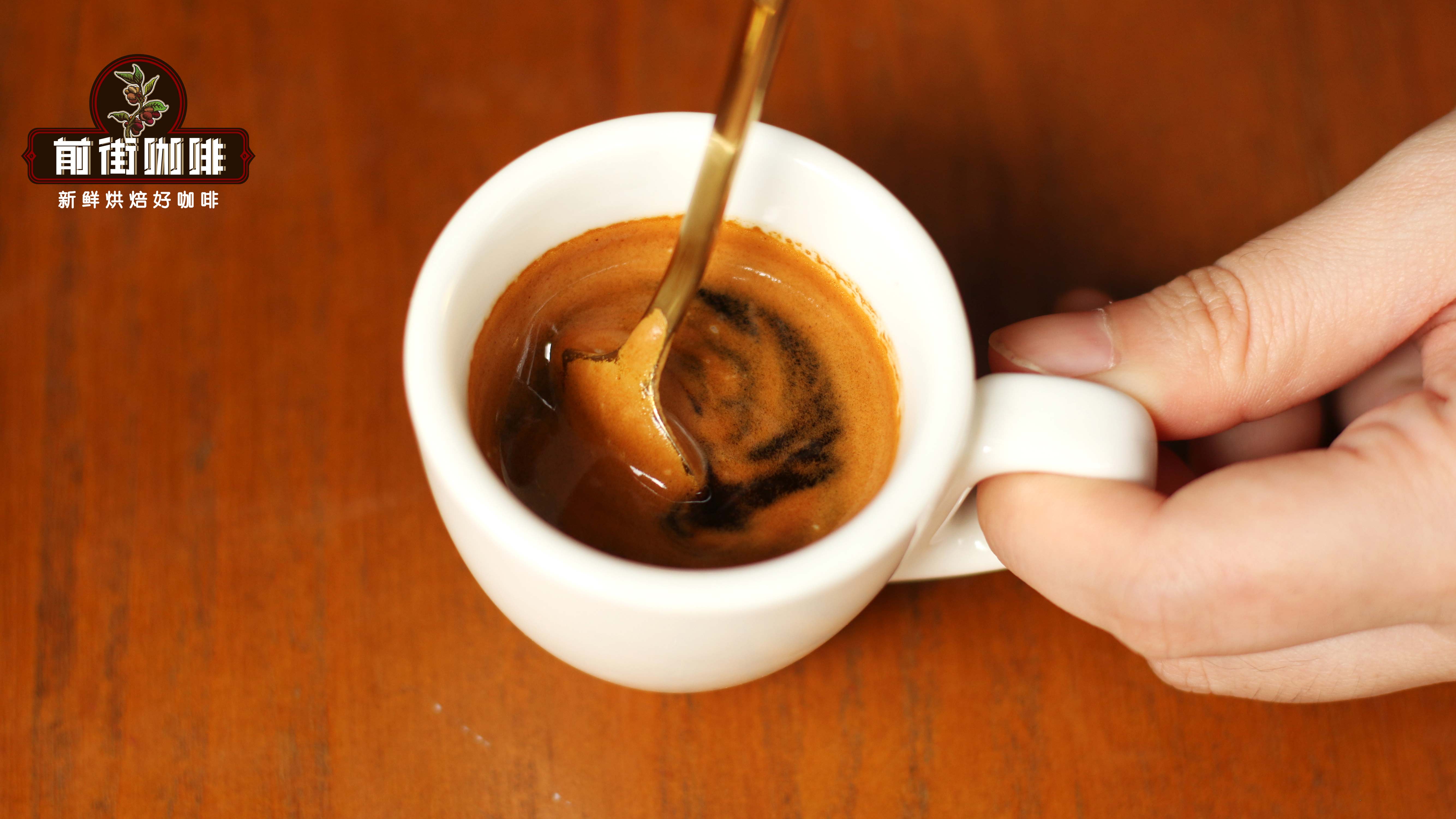
A certain brand employs a medium-dark roasting strategy for Blue Mountain No. 1, aiming to highlight its chocolatey and nutty aroma characteristics while preserving moderate acidity and caramel sweetness. This results in a well-balanced, round mouthfeel with medium body crema, showcasing its unique charm whether brewed via pour over, French press, or espresso. This roasting approach also distinguishes Blue Mountain coffee from the extreme flavor profiles of very light or very dark roasts, making it more accessible to a broader palate.
As for espresso, this extraction method originating in the 19th century utilizes high pressure and high temperature to extract a concentrated coffee liquid from finely ground beans in a short time (typically 20 to 30 seconds), resulting in a rich, thick, and multi-layered taste. To make a high-quality Blue Mountain SOE latte, precise control is needed over coffee dosage (recommended 20g), extraction ratio (1:2, yielding 40g of coffee liquid), extraction time (ideally 28 to 30 seconds), and the use of appropriately tempered fresh milk (55–60°C) for steaming, ultimately blending into a balanced and rich coffee experience.
In summary, Blue Mountain coffee and espresso each represent the pinnacle of craftsmanship in the coffee world—the former renowned for its origin, variety, and stringent quality control, and the latter showcasing the apex of extraction techniques and flavor integration. If you’re seeking a coffee experience that is rich, balanced, and infused with nutty and chocolatey notes, Blue Mountain No. 1 is undoubtedly the ultimate choice. And if you want to explore its application in espresso and lattes, mastering the correct grinding, extraction, and milk frothing techniques will open up a whole new sensory journey in coffee.
Finally, a reminder: whether it’s Blue Mountain or other specialty coffee beans, freshness is key to flavor. It’s recommended to choose beans roasted within five days and to enjoy them within the 4 to 7 day resting period after receipt for optimal flavor performance. If you opt for pre-ground coffee, it’s best to brew it as soon as possible to avoid oxidation affecting the aroma. For the fullest experience of Blue Mountain coffee’s layers, grinding and brewing whole beans fresh is your best option.
The above content is compiled by CoffeeHunters, a coffee news website.


