







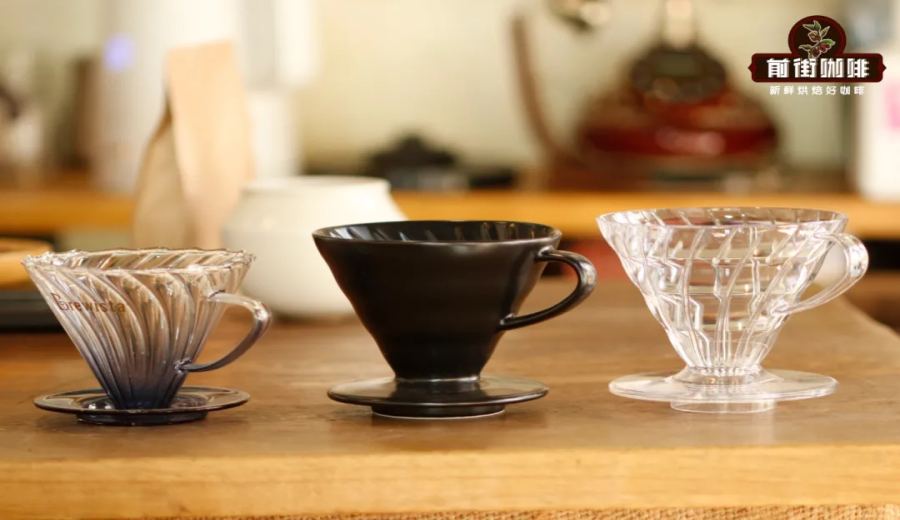
Introduction:Choosing the right V60 filter cone material is not just about aesthetics—it directly affects extraction efficiency and coffee flavor. Based on practical testing, this article compares the thermal insulation, flow rate, and flavor profiles of the three most common V60 materials: resin, glass, and ceramic. It will help you choose the most suitable home-use V60 based on your daily coffee beans and budget.
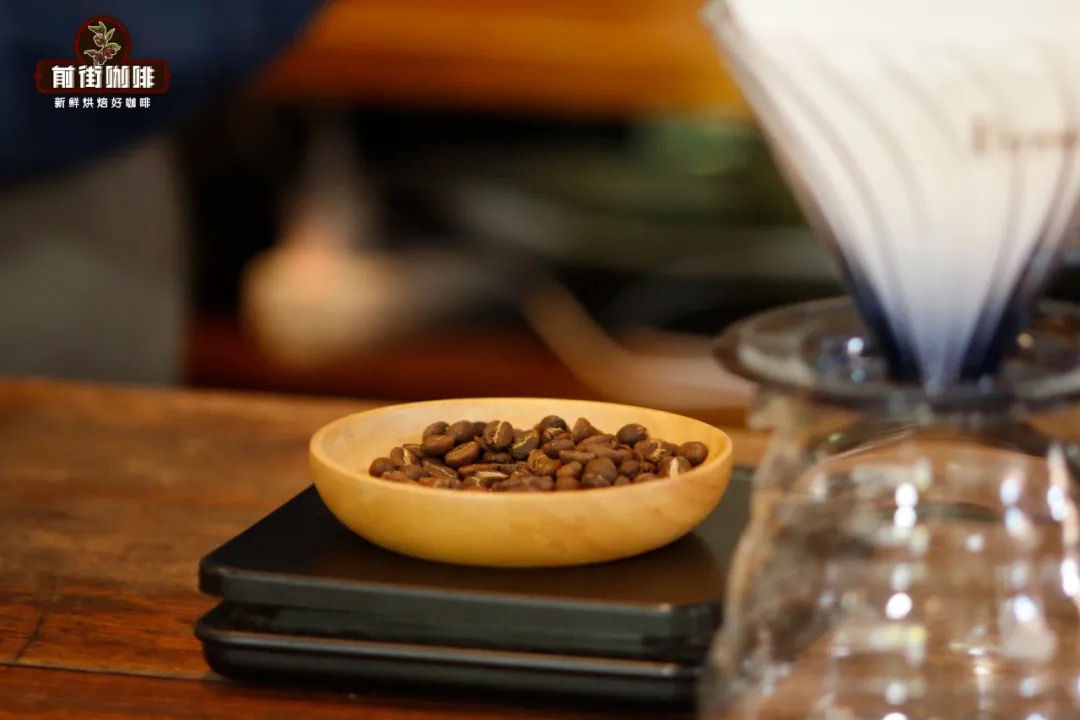
Many beginners to pour-over coffee often wonder when selecting a V60 filter: if they’re all V60s, why are there resin, glass, and ceramic versions, and why is there such a big price difference? More importantly, do these material differences really affect the final brewed coffee flavor? To answer these questions, we used Ethiopian Yirgacheffe Guji Dingding washed beans as an example. Under the same conditions—15g coffee dose, 91°C water temperature, medium-fine grind (about the coarseness of granulated sugar), and a 1:15 brew ratio—we conducted live tests with V60 cones made from each of the three materials. We observed their heat retention capabilities, water flow performance, and potential impact on the final flavor.
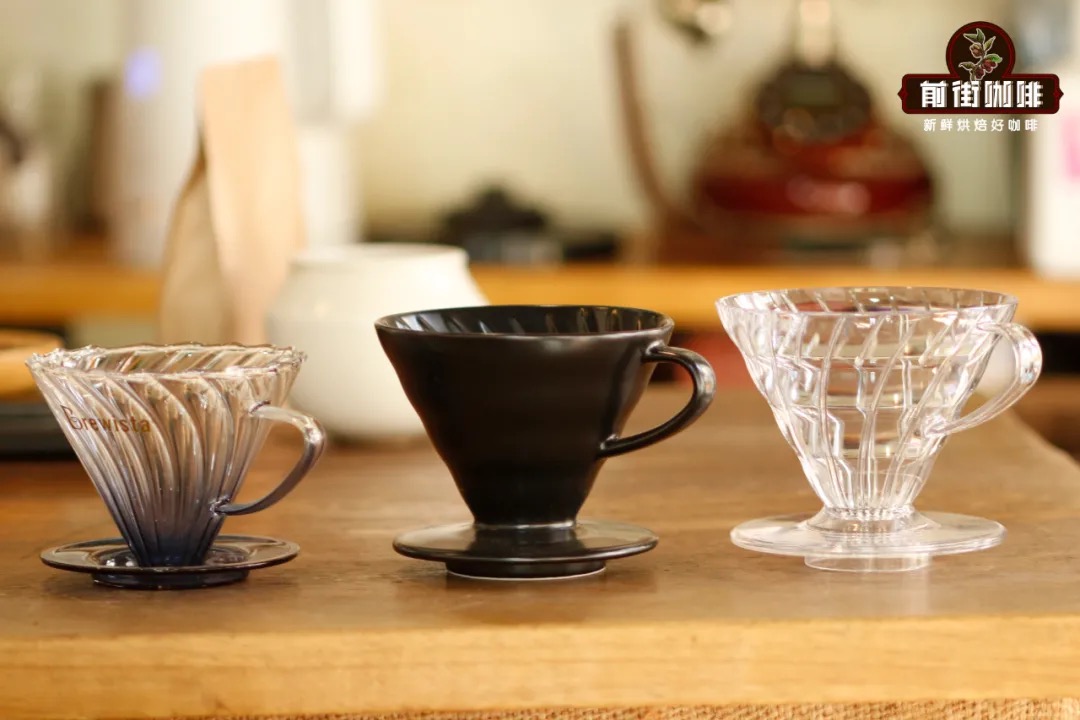
Commonly available V60 cones on the market can be largely categorized into three materials: resin, glass, and ceramic. Each has its own strengths and weaknesses in terms of heat retention, heat dissipation speed, and flow efficiency. There are also aluminum and brass options, but due to their lower popularity and higher prices, we won’t go into detail about them here. This test aims to help you understand how different V60 materials influence the coffee extraction process and provide practical recommendations so you can choose the most appropriate home-use V60 based on your usual coffee preferences and budget.
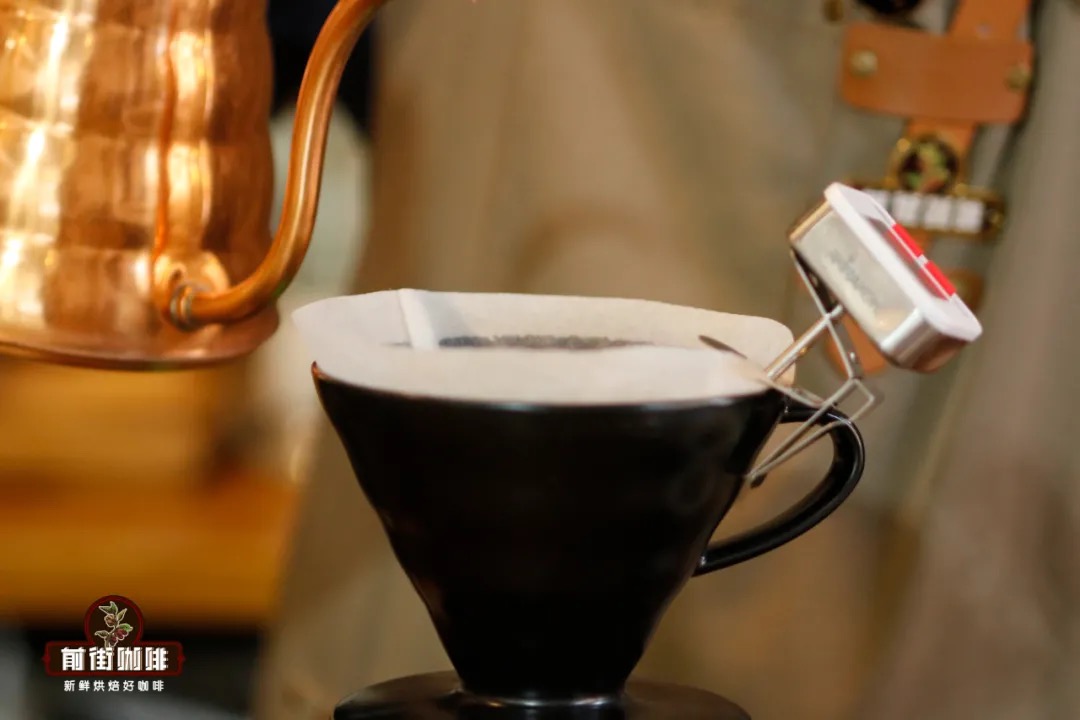
During the tests, we paid special attention to the temperature changes of the coffee bed under two scenarios: “unpreheated” and “fully preheated,” including after pouring in the coffee grounds, during the bloom phase, during the pouring phase, and at the end of extraction when measuring the brew temperature. Additionally, we recorded the impact of different materials on the overall flavor complexity and mouthfeel of the coffee, ensuring that the data reflects more than just numbers—it corresponds to actual taste experiences.
[Heat Retention Performance Comparison]
First, we looked at the heat retention capability of the cones.Ceramic V60 cones demonstrated the best heat retention,but only if they are “evenly preheated.” Because ceramic is a heat-retaining material, insufficient preheating may actually lead to inadequate brewing temperatures in the early stages due to its slower heat absorption. However, with proper preheating, ceramic cones can maintain a higher and more stable brewing temperature, which helps fully extract flavor compounds.
In comparison,glass cones showed relatively stable temperature performance whether preheated or not,without significant fluctuations, maintaining the coffee bed within a relatively consistent temperature range, which contributes to a balanced extraction.Resin cones, on the other hand, had the weakest heat retention of the three,with the smallest temperature variation range. Regardless of preheating, their overall temperature remained relatively stable but on the lower side, showing minimal fluctuations due to external factors.
[Detailed Temperature Data]
Below are the measured temperatures (in °C) of the three materials at key brewing stages:
- Resin: Unpreheated coffee bed 28.6°C → Bloom phase 80.4°C → Pouring phase 86.2°C → End of extraction 83.2°C
- Glass: Unpreheated coffee bed 29.1°C → Bloom phase 83.5°C → Pouring phase 86.3°C → End of extraction 83.3°C
- Ceramic: Unpreheated coffee bed 44.3°C → Bloom phase 83.7°C → Pouring phase 87.5°C → End of extraction 87.2°C
The data shows that even without preheating, the ceramic cone starts at a significantly higher temperature than the others and maintains a high temperature throughout the extraction process. This can positively influence certain flavor releases but may also increase the risk of over-extraction.
[Flavor Profile Differences]
From actual tasting results,coffee brewed with resin and glass cones exhibited richer layers,with brighter acidity, clearer sweetness, and a more sequential expression of various flavor elements. This is related to their faster heat dissipation, which allows natural temperature fluctuations in the coffee bed during pouring and pauses, aiding the release of temperature-sensitive flavor compounds.
Conversely,coffee from ceramic cones had a fuller and richer mouthfeel,though some testers noted a slight grassy astringency in the aftertaste. This may be related to the overall higher brewing temperature and slightly slower flow rate, potentially causing over-release of certain flavor compounds.
[Flow Rate Performance Comparison]
All three cones feature spiral ribbed walls extending from the rim to the bottom spout, primarily designed to help degas the coffee bed and guide water flow. Observations and hands-on testing revealed thatresin and glass cones have more pronounced ribbing,which allows the filter paper and cone to maintain slight gaps when wet, accelerating water flow and resulting in a relatively quicker overall extraction pace—suitable for brewing medium to light roasted beans with pronounced fruity notes and layered complexity.
Ceramic cones have smoother and more rounded ribs,causing the filter paper to adhere more tightly to the cone wall once wet, narrowing the venting and flow channels. This leads to a slower flow rate, making it better suited for extracting deeper roasted or fuller-bodied beans that require longer time to release flavors.
[Conclusion: Which Should You Choose?]
Considering heat retention, flow performance, and flavor profile, if you’re new to pour-over, have a limited budget, and want a durable, hard-to-damage V60,a resin cone is the most cost-effective option.If you prefer a transparent look and the visual experience of watching water flow, a glass cone is a great choice, and its temperature stability also helps brew balanced coffee.
On the other hand, if you frequently brew dark roasts, enjoy rich and full-bodied coffee, or are pursuing greater body and mouthfeel,a ceramic cone might be the better option for you,but remember to preheat it thoroughly to minimize uneven extraction caused by heat absorption. No matter which material you choose, proper preheating, stable grind size, and water temperature control are the keys to brewing great pour-over coffee.
The above content is compiled by CoffeeHunters, a coffee news website.


