







Introduction:Jamaican Blue Mountain coffee is hailed as one of the world’s top-tier coffees, but do you know who it’s best suited for? This article delves into the growing environment, grading system, Typica variety characteristics, and washed processing method of Blue Mountain coffee, while also analyzing its classic flavor profile. It also provides expert pour over recommendations and practical parameters to help you better understand the positioning and charm of this rare specialty coffee.
What tier does Blue Mountain coffee actually belong to? For many coffee enthusiasts, this is a common yet not easily answered question. In fact, Blue Mountain coffee is widely regarded as a representative of high-end specialty coffee, not only because of its rarity but also due to its unique growing conditions and rigorous production process. In the early days, due to limited supply and high market demand, the price of Blue Mountain coffee remained consistently high, even becoming a luxury item, leading to a proliferation of counterfeits in the market. Therefore, learning how to identify authentic Blue Mountain coffee is especially important for those who truly want to enjoy it.
The Authentic Origin of Blue Mountain Coffee
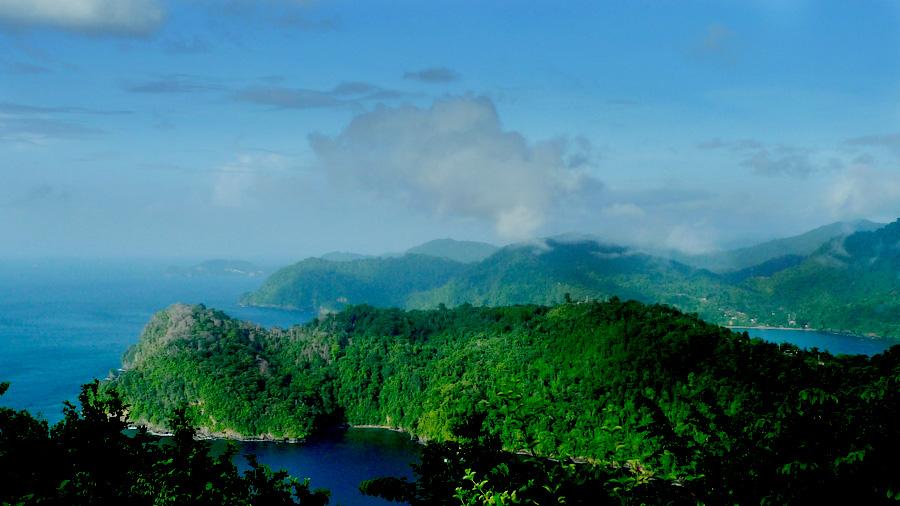
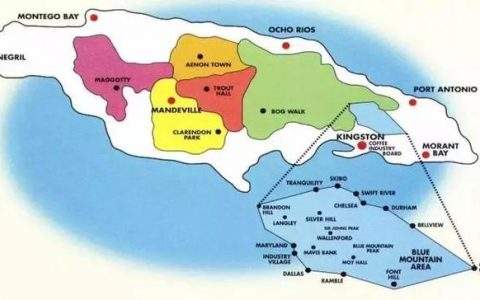
The so-called authentic Blue Mountain coffee is produced exclusively in the Jamaica Blue Mountains. The highest point of this mountain range reaches an elevation of 2,256 meters, while the coffee-growing areas are mainly concentrated below 1,700 meters, with regions above 1,700 meters designated as ecological reserves. Thanks to long-term conservation efforts, the Blue Mountains are not only a source of high-quality coffee but also a renowned tourist destination. Jamaica has a tropical climate, and coffee trees are primarily located in the mountainous regions, where the air is fresh, nearly pollution-free, temperatures remain stable at around 27°C year-round, and frequent cloud cover provides natural shading. Coupled with nutrient-rich volcanic soil, these factors collectively contribute to the exceptional quality of Blue Mountain coffee.
The Grading System of Blue Mountain Coffee
According to the regulations of the Jamaica Coffee Industry Board, only Arabica varieties grown at elevations between 910 meters and 1,700 meters can be called Jamaican Blue Mountain coffee. Coffee grown at lower altitudes is typically classified as Jamaican High Mountain or Jamaican Prime Coffee. In addition, Blue Mountain coffee is further subdivided into four grades based on bean size and defect rate: No.1, No.2, No.3, and PB (Peaberry). Among them, No.1 is the highest grade, requiring that each 300 grams of green beans have beans sized 17 mesh or larger, a defect rate of less than 2%, a moisture content of about 13%, and a uniformly plump appearance, representing the finest quality.
The Typica Variety and Its Challenges
The variety used in Jamaican Blue Mountain coffee is Typica, an historic Arabica variety known for its clean and balanced flavor. Typica thrives in high-altitude environments and can showcase delicate aromas and smooth mouthfeel. However, Typica also has its limitations: the plants are tall with slender branches that grow outward, making close planting impossible and requiring more space, which leads to relatively higher management costs. Additionally, its yield per plant is 20% to 30% lower than mainstream varieties like Bourbon, offering farmers lower returns. It is also more susceptible to pests and diseases, and has gradually been replaced by other high-yield varieties in many parts of the world. But under Jamaica’s unique environment and good management, Typica still demonstrates extraordinary flavor potential.
Washed Processing and Classic Flavor
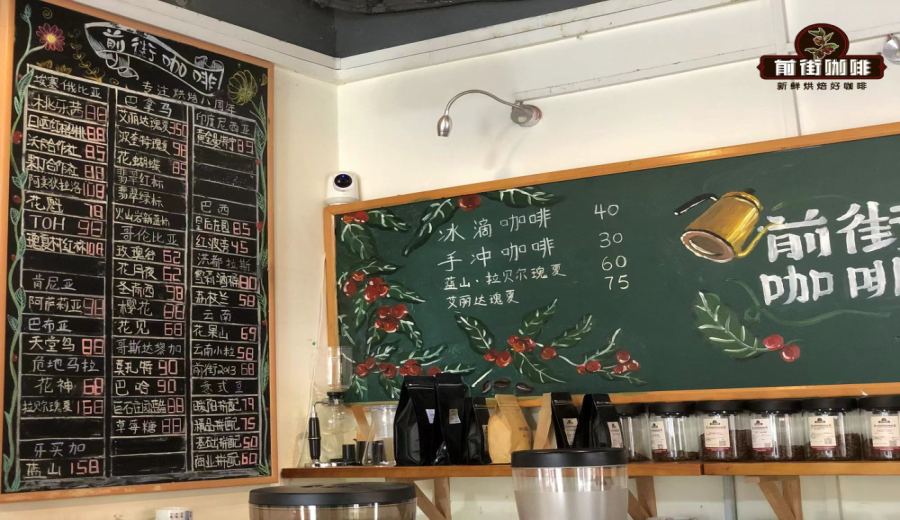
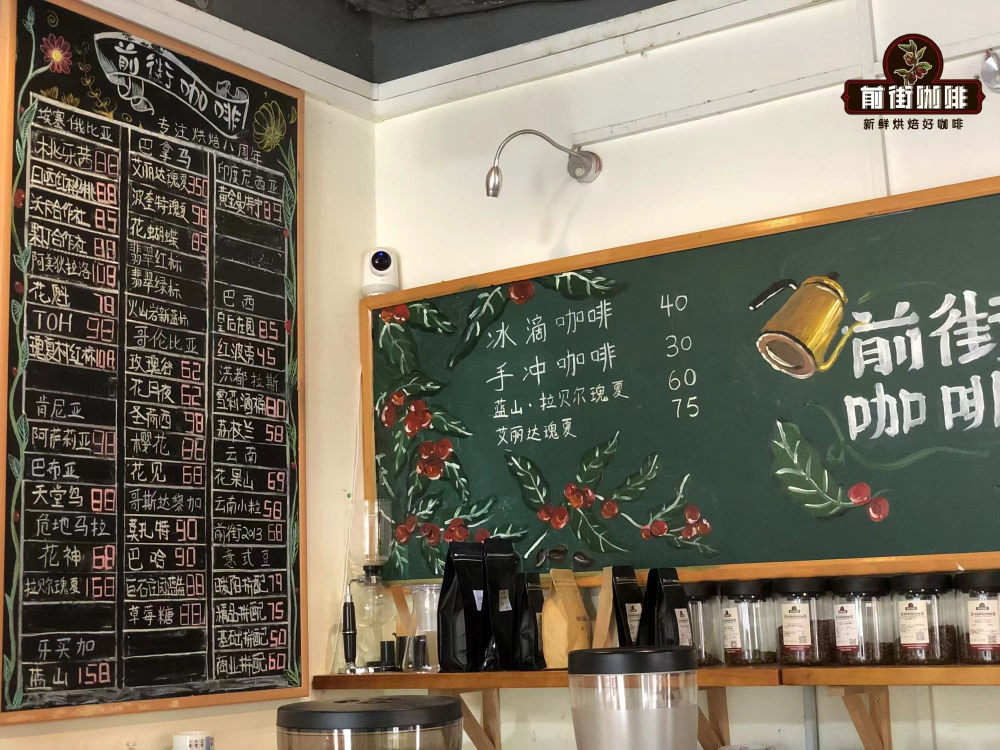
Blue Mountain coffee is typically processed using the washed method, which can fully highlight the coffee’s clarity and delicacy. A well-known coffee brand’s Clifton Estate Blue Mountain No.1, listed on their bean menu, is produced by the historic Clifton Estate, which has been growing coffee since the mid-18th century and has accumulated extensive experience in washed processing. The washed method involves using washing channels and a continuous supply of flowing water. The process includes removing the pulp and flesh, fermenting for 12 to 18 hours, then using water flow and friction between beans to remove residual mucilage, followed by drying to reduce the moisture content from about 50% down to 12% to 14%. The entire process requires strict control to ensure the final quality of the beans. Although there are small amounts of naturally processed Blue Mountain coffee on the market, most experts still believe that the washed method better preserves the classic flavor characteristics of Blue Mountain coffee.
Purchase Channels and Authenticity Identification
In the past, due to a long-term agreement between Jamaica and Japan, about 80% of the premium quota of Blue Mountain coffee was supplied to the Japanese market, making it difficult to obtain elsewhere—even when available, prices were very high. With the expiration of the agreement, the Blue Mountain coffee quota has gradually been distributed to more countries, and markets including China can now access genuine products through legal import channels. Legally imported Blue Mountain coffee is usually packaged in wooden barrels, labeled with “Jamaican Blue Mountain Coffee,” “Clifton Estate,” and bears the Rainforest Alliance-certified green frog logo as well as an official certificate from the Jamaica Coffee Industry Board. Consumers should pay attention to these details when purchasing.
Recommended Brewing Methods and Flavor Profile of Blue Mountain Coffee
Blue Mountain coffee is known for its rich aroma and balanced flavor. For those who enjoy a pure coffee experience, drinking it as a black coffee allows one to fully appreciate its characteristics. Black coffee includes methods such as pour over and Americano—without milk or sugar—which not only highlights the original flavors of the coffee but also aids metabolism and digestion. It is recommended to limit daily intake to 2 to 3 cups to avoid potential stomach discomfort or palpitations from overconsumption.
For a coffee like Blue Mountain No.1, which leans toward nutty and cocoa flavors, a medium-dark roast is recommended to enhance the layers of chocolate and nutty aromas. The standard pour over parameters from a well-known coffee brand’s shop are as follows: use a KONO filter, set the water temperature to 88°C, grind size to 75% through a 20-mesh sieve, a powder-to-water ratio of 1:15, and use 15 grams of coffee. The specific steps are to first wet the filter paper, add the coffee grounds, and then bloom for 30 seconds (pouring 30 grams of water). Then proceed with three pours: the first from the center slowly circling to 125 grams, the second to 225 grams, and finally waiting for the dripping to finish. This method extends the contact time between water and coffee, extracting a richer and more balanced flavor.
The brewed Blue Mountain No.1 coffee has a pronounced black chocolate and nutty aroma upon entry, with a mellow and smooth mouthfeel, gentle acidity and distinct layers, delivering an overall very balanced and clean profile—embodying the classic qualities of high-quality Blue Mountain coffee.
The above content is compiled by CoffeeHunters, a coffee news website.


