







Introduction:The classic White Rabbit Creamy Candy was counterfeited by unscrupulous merchants who launched a "viral White Rabbit milk tea," sparking a trademark dispute. Bright Dairy & Food Co., Ltd. won the first-instance lawsuit and was awarded 250,000 yuan in compensation. This article details the case and provides practical tips to help consumers distinguish genuine products from imitations, safeguarding their rights.
What childhood memories do "White Rabbit Creamy Candy" evoke? During festivals, parents would always buy a few pieces—the rich milky aroma and silky texture remain unforgettable to this day. However, some businesses have exploited this sense of nostalgia by launching so-called "White Rabbit milk tea," leading consumers to mistakenly believe it’s an official product when it’s actually an infringing imitation.
Recently, Bright Dairy & Food Co., Ltd., a well-known dairy company, sued two food companies and a retailer for infringing on its "White Rabbit" trademark. The Shanghai Xuhui District Court ruled in the first instance that the infringing parties must compensate Bright Dairy for economic losses250,000 yuan, as well as pay reasonable litigation costs6,000 yuan, while the retail outlet is liable for joint compensation up to30,000 yuan.
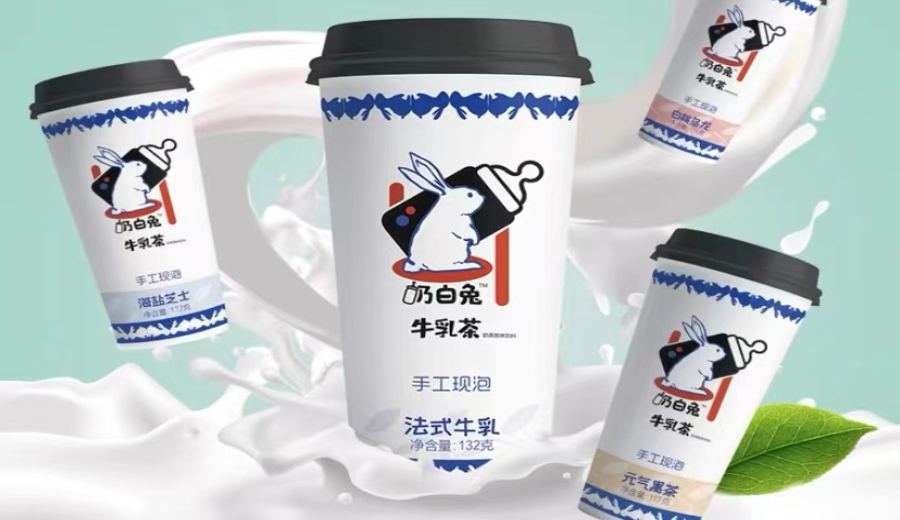
This case stems from the appearance of "viral White Rabbit milk tea" on the market, with flavors including French milk, Genki black tea, white peach oolong, and sea salt cheese, seemingly following youth beverage trends. But upon closer inspection of the brand name, it turns out to be "Milk White Rabbit Milk Tea," not the real White Rabbit. These products were produced by Shandong Zhongertai Food Co., Ltd. and Shandong Dashu Dafuto Dietary Food Co., Ltd., with packaging extremely similar to the original, exploiting consumers' brand recognition to mislead purchases.
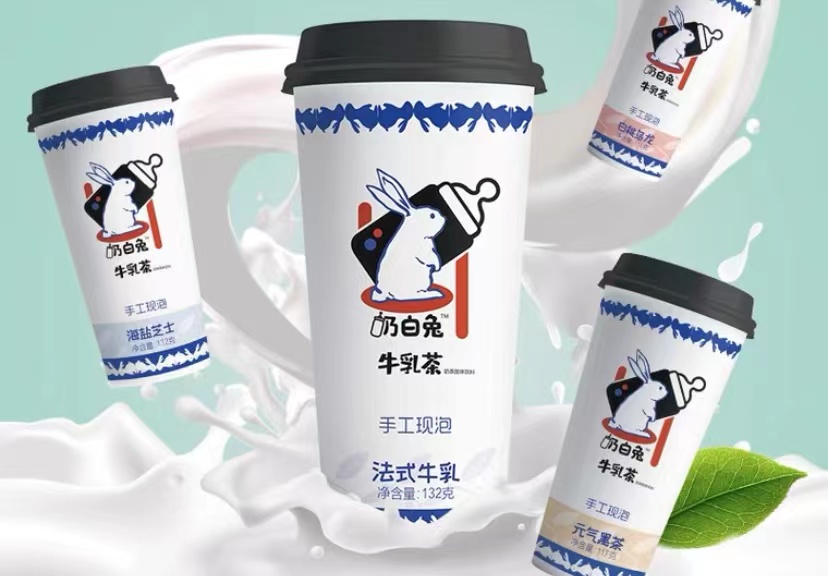
Many consumers unknowingly bought these imitation milk teas out of nostalgia, only to find the flavor far from what they expected and realizing they had been duped. Such cases are not limited to the milk tea market—counterfeit products like "Yue Li Yue," "Kang Shuai Fu," and "Lei Bi" are rampant, making them hard to guard against.
Experts warn that faced with the wide array of beverages and foods on the market, consumers should stay vigilant and learn to identify genuine products versus counterfeits. First,carefully check the brand name and trademark registration information on the packaging, as the official White Rabbit milk tea will not be named something similar like "Milk White Rabbit." Second,choose officially authorized sales channels, and avoid purchasing questionable products from obscure online stores or street vendors.
The court’s ruling not only protects the legal rights of Bright Dairy but also serves as a warning against counterfeit practices in the market. Relevant authorities should continue to strengthen anti-counterfeiting efforts, improve regulations, and prevent the "bad money driving out good" phenomenon, ensuring the survival and development space for legitimate brands.
In summary, when enjoying food and beverages, consumers should exercise more caution—by understanding brand backgrounds, checking product information, and choosing trustworthy purchase channels, they can effectively avoid falling into the trap of counterfeit goods and protect their consumer rights.
The above content is compiled by CoffeeHunters, a coffee news website.


