







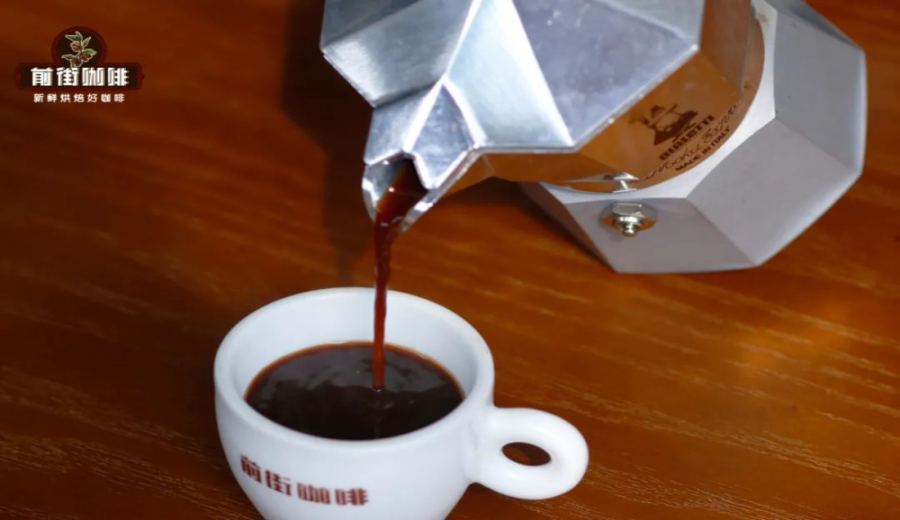
Introduction:When using a moka pot to brew espresso at home or outdoors, it's common to encounter issues such as weak flavor or overly bitter and burnt taste. This article delves into the workings of the moka pot and guides you through the key factors for extracting rich crema, including suitable coffee bean types, precise grind size, proper coffee bed tamping techniques, heat control, and the optimal time to turn off the heat. It also includes a practical step-by-step brewing guide and important tips to help you consistently brew a coffee with layers of complex flavors and captivating crema.
In recent years, the moka pot has gained widespread popularity due to its suitability for both outdoor camping and home use. However, many first-time users often find that their brewed coffee is either too light in flavor or exhibits noticeable burnt bitterness. In reality, by mastering the correct extraction parameters and operational details, the moka pot can reliably produce rich, bold coffee with a golden layer of crema.
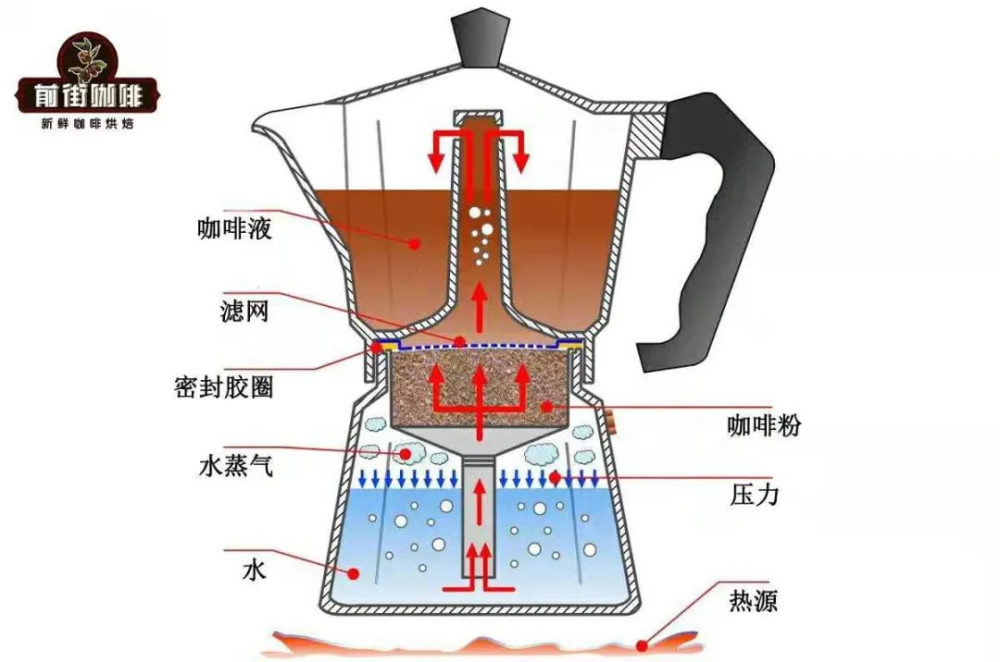
The moka pot works by heating water in the lower chamber, causing the temperature to rise and generate steam pressure. This pressure pushes the hot water upward through the coffee grounds held in the middle filter basket, and finally collects the brewed coffee in the upper chamber. This pressure-based extraction method is similar to the principle behind espresso making. Therefore, when operated correctly, it can also produce coffee with a layer of crema.
The formation of crema largely depends on the freshness and roast level of the coffee beans.During the roasting process, coffee beans produce large amounts of carbon dioxide, especially during the dark roast stage, where the beans accumulate a rich reserve of CO₂. When using freshly roasted dark roast beans (ideally within 5–14 days post-roast), these gases can emulsify with the coffee oils under high-pressure extraction conditions, forming a fine, golden layer of crema. Conversely, if the beans are stale, the loss of CO₂ and aromatic compounds not only makes crema formation difficult but also results in a dull overall flavor.
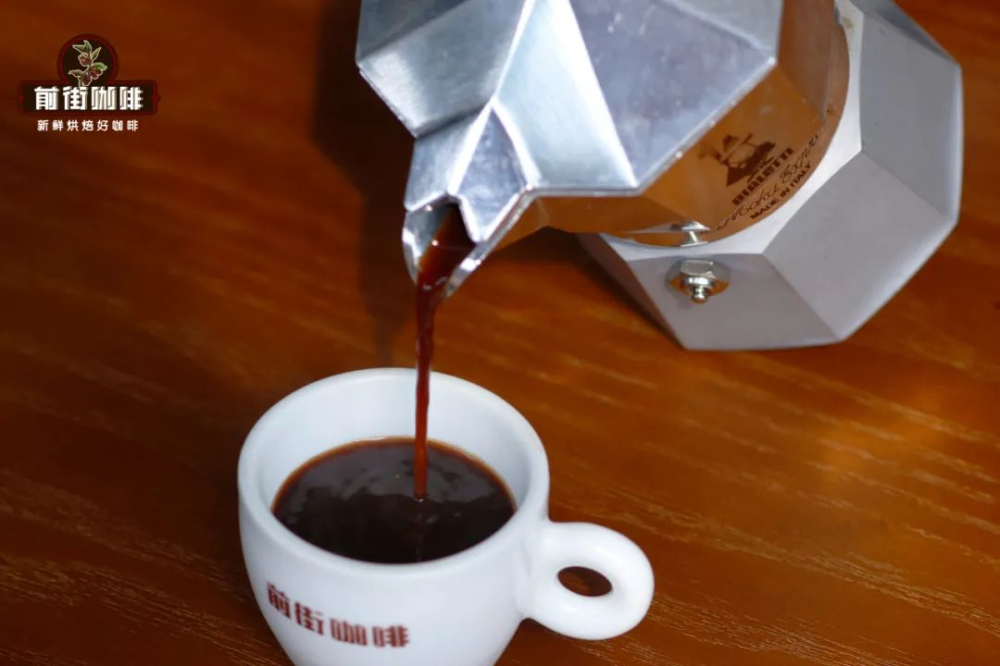
When selecting coffee beans, the moka pot is best suited to medium-dark to dark roasted beans, particularly Italian-style blends. These beans typically have bold flavors and a full body, which can withstand the high temperature and pressure of moka pot brewing. If you prefer lighter roasts, the higher brewing temperature and longer extraction time may lead to excessive sharp acidity and astringency, affecting the overall balance.
For beginners or those who prefer a simplified process, it’s recommended to choose evenly sized, freshly roasted pre-ground blends. For example, a blend with sherry cask fermentation notes and berry characteristics can offer a rich aromatic profile. Alternatively, you could opt for Brazilian coffee beans grown at high altitudes from the Yellow Bourbon variety, whose nutty and caramel notes are also well-suited for moka pot brewing.
When actually using the moka pot, it is advisable to go for a 3–4 cup size model. The grind size should be adjusted to be similar to that of fine sugar or even finer, but take care not to make it so fine that it falls through the holes at the bottom of the filter basket. Generally, a grind that is finer than a pour over grind but slightly coarser than an espresso grind is most appropriate. Grind about 20 grams of coffee beans and pour the grounds into the filter basket. Then gently tap the basket to settle the coffee bed slightly, but do not tamp it down forcefully, as this may affect water flow speed and extraction uniformity.
Next, reinsert the filter basket into the lower chamber and ensure the upper and lower chambers are screwed together tightly to prevent pressure loss or leakage during heating. When adding water to the lower chamber, make sure the water level stays below the safety valve to avoid direct overflow of high-pressure steam, which could negatively impact extraction quality and safety.
When starting to heat, it’s recommended to use a low to medium flame and keep the flame’s range from extending beyond the base of the pot to avoid localized overheating, which can cause burnt or bitter flavors. Once you hear the coffee begin to rise and observe a steady flow, pay attention to the color and flow rate of the coffee in the upper chamber. When the flow slows down and the color darkens, it’s time to turn off the heat to avoid over-extraction. After turning off the heat, it’s best to pour the coffee into your cup promptly to prevent residual heat from continuing to extract and resulting in overly intense or bitter flavors.
In summary, the key to successfully brewing espresso with crema using a moka pot lies in selecting fresh, dark roasted coffee beans, adjusting the grind to the right fineness, properly tamping the coffee bed, mastering heat and timing, as well as turning off the heat and pouring out the coffee at the right moment. Once you’re familiar with these techniques, whether at home or outdoors, you’ll be able to consistently enjoy a richly flavored and well-layered coffee experience.
The above content is compiled by CoffeeHunters, a coffee news website.


