







Introduction:Faced with the wide variety of coffee beans on the market, many beginners often find it difficult to choose. In fact, as long as you grasp a few key elements—such as brewing method, roast date, origin flavors, and grind size—you can easily find coffee beans that suit you. This article will detail the differences between single-origin beans and blended beans, analyze which types of beans are suitable for different brewing methods, discuss the impact of freshness and degassing on flavor, introduce typical flavor characteristics based on major producing regions, and finally answer common questions about whether to buy beans or pre-ground coffee, helping you select the flavor you desire.
When walking into a coffee shop or opening an e-commerce platform, faced with a dazzling array of coffee bean packaging and flavor descriptions, many people are often confused and unsure of what to choose. Actually, selecting coffee beans is not complicated—the key lies in first clarifying your usual brewing method, then making a decision based on the roast date, origin characteristics, and grind form.
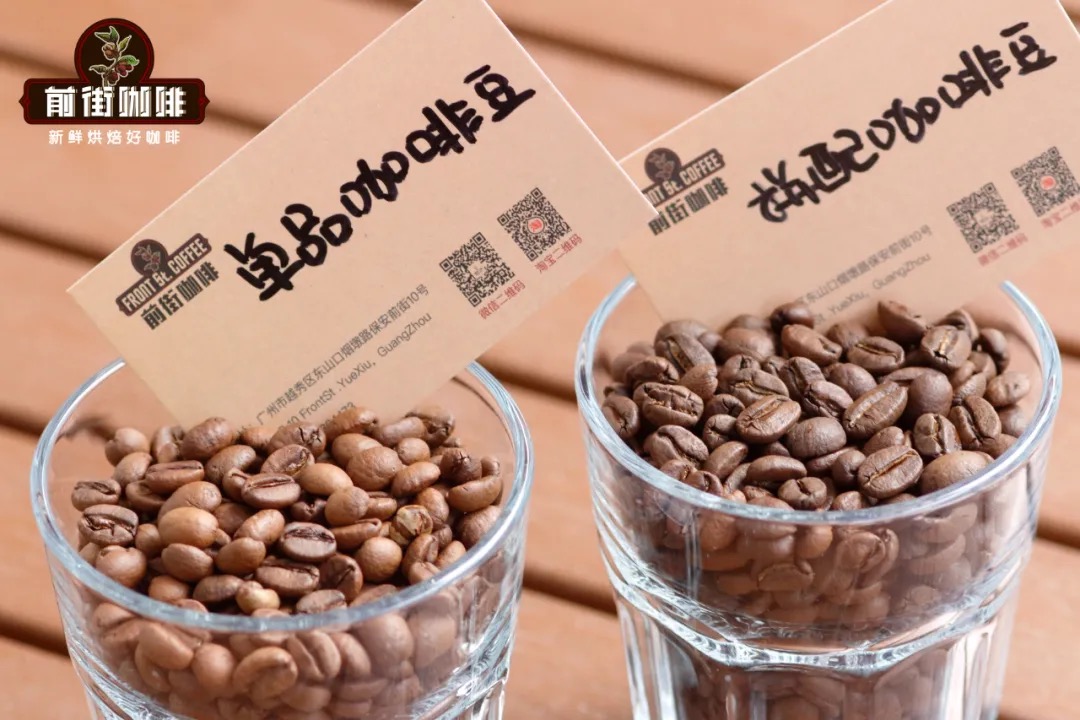
Commonly available coffee beans on the market can generally be divided into two main categories: single-origin beans and espresso blends. Single-origin beans usually come from a single region or farm, and their flavors are relatively clean and clear, suitable for highlighting regional characteristics. Blended beans, on the other hand, are a mix of beans from multiple origins in specific proportions, aiming to maintain stable and balanced flavors, with an overall profile that tends to be rich and full-bodied. If you’re accustomed to using pressure-based extraction tools such as moka pots or espresso machines, then espresso blends will be more suitable for you. If you prefer drip-style extraction methods such as pour over, French press, cold drip, cold brew, or siphon, single-origin beans are often the better choice.
Of course, this is not absolute. Some blended beans, after special roasting processes, are also suitable for drip brewing. Similarly, some single-origin beans can be adjusted for use in pressure extraction. The key lies in whether the roaster or shop has optimized the roast profile for a specific brewing method, making the flavors and mouthfeel more aligned with your preferences.
If you prefer coffee with rich crema, balanced flavor, and a bold body, espresso blends are a good option. For example, some blend recipes combine Colombian and Brazilian beans in specific ratios to deliver intense roasted nut and chocolate aromas, suitable for users who enjoy a full-bodied taste.
Regardless of which type of bean you choose, freshness is a key factor affecting flavor. It’s recommended to pay close attention to the roast date when purchasing. Generally speaking, single-origin beans have the most distinct flavors within 15 to 20 days after roasting, with the optimal drinking period being around 30 days post-roast. For espresso beans, the flavor peak typically occurs within 30 days after roasting, and the best drinking window can extend up to 45 days.
It’s worth noting that freshly roasted beans contain a large amount of residual carbon dioxide inside and may also carry a smoky note, which can actually affect extraction performance and flavor expression. Therefore, many coffee beans are packaged with one-way degassing valves. This design allows the beans to release carbon dioxide naturally while preventing air and moisture from entering—a process known as “degassing.” The degassing time varies depending on the roast level: for light to medium roasts, 3 to 4 days is recommended; for medium to dark roasts, about 5 to 6 days; and for espresso beans, 7 to 10 days are needed to allow the flavors to fully develop.
When selecting single-origin beans, you can refer to the origin, roast level, and flavor description. Generally, beans from African origins often exhibit floral and fruity acidity notes, suitable for those who prefer a bright and fresh taste, and are typically medium to light roasted. Beans from Central and South America are known for their nutty profiles, mostly presented with a medium roast. Beans from Asian origins usually have low acidity, leaning toward bitterness or a full-bodied taste, appealing to those who enjoy strong flavors, and are commonly medium to dark roasted.
Taking real bean examples, African-origin coffees such as those from Ethiopia or the Yirgacheffe series often feature bright citrus, berry, or floral notes, falling within the medium to light roast range, with distinct sweet and sour profiles. Coffee from Central and South American origins, such as Brazil or Panama, typically showcases nutty, dark chocolate, and creamy richness, usually medium to medium-dark roasted. As for Asian-origin beans from places like Indonesia or India, due to special processing methods, they may sometimes offer intense characteristics like wine-like or bold fruity notes, with standout flavor expressions.
In addition, many coffee retailers provide flavor descriptions for consumer reference. If you see product descriptions frequently mentioning terms like citrus, berries, floral, or tea-like, it usually indicates that the beans are medium to light roasted with bright acidity. If there are more references to nuts, chocolate, or creaminess, then they are likely medium to dark roasted, with a richer and fuller mouthfeel. If wine-like notes or unique fruitiness are emphasized, it may be a bean processed with a special method, where a particular flavor stands out.
Regarding the form of purchase—should you buy whole beans or pre-ground coffee? Although many shops offer grinding services, if possible, it’s recommended to prioritize buying whole beans. Because whole beans can more effectively delay flavor loss. Once ground, the surface area increases significantly, and aromatic and flavor compounds will quickly dissipate. If you brew at home frequently, consider investing in a quality hand grinder and grinding just before each brew to preserve maximum freshness and complexity.
Of course, if you don’t want to buy a grinder for the time being but still want to experience the joy of pour over, drip coffee bags are a good alternative. These products typically pack freshly ground single-origin coffee powder into individual filter bags, with fixed portions per bag (such as 10 grams). Just pour about 150 milliliters of water at around 90°C, and you can enjoy a cup of flavorful pour over coffee. However, the shelf life of drip coffee bags is generally recommended to not exceed 30 days to ensure the flavor remains unaffected.
The above content is compiled by CoffeeHunters, a coffee news website.


