







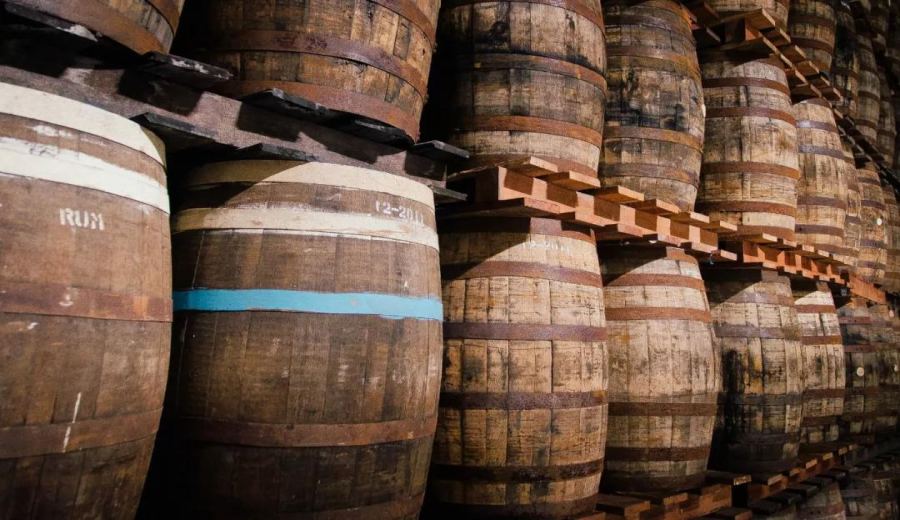
Introduction:This lot of coffee beans from Finca Santa Josefina in Colombia, fermented in rum barrels, combines traditional washed processing with barrel aging to deliver unique rum aromas and grape-like acidity. This article will delve into its origin background, variety characteristics, and processing method, and share recommended V60 pour over parameters to help you fully experience this specialty coffee that boasts a sweet finish and rich complexity.
Among Colombia’s many coffee-growing regions, Finca Santa Josefina, located in the Nevado del Ruiz volcanic belt, has nurtured numerous impressive coffee varieties thanks to its century-plus cultivation experience and exceptional volcanic soil. Among them, a coffee bean processed through barrel fermentation stands out for its distinctive flavor profile, becoming a top choice for coffee enthusiasts eager to try something new.
The inspiration for this coffee bean came from the creative idea of the farm owner. As her husband is deeply involved in the wine industry, she wondered if freshly harvested coffee cherries could be fermented in rum barrels. This bold idea eventually gave birth to this special coffee with distinct alcoholic aromas.
In terms of variety selection, the farm used the Castillo variety, carefully cultivated by Colombia’s coffee research institutions. Although it has sparked discussions due to carrying a small amount of Robusta genetics, its actual cup profile demonstrates excellent balance and disease resistance. Currently, about 40% of coffee farmers across Colombia choose to cultivate this variety, attesting to its stable performance and market recognition.
In the processing workflow, these coffee beans first undergo a traditional barrel fermentation stage, where the coffee pulp slowly releases unique aromatic molecules in the micro-oxygen environment of the wooden barrels. It is then further processed through washed methods to remove impurities and stabilize the flavors, followed by careful drying to ensure optimal moisture content, laying a solid foundation for subsequent roasting and brewing.
For actual pour over experience, it is recommended to use a V60 dripper with a medium-coarse grind size (about the size of white sugar granules), and water temperature controlled between 92 to 94 degrees Celsius. Brewing can be done using a 2:1 coffee-to-water ratio, such as 15 grams of coffee grounds to 225 milliliters of water, with a two to three-stage pour, and a total extraction time of around 2 minutes and 30 seconds to 3 minutes, which helps fully bring out the layers of rum aroma and fruit acidity.
The first impression upon tasting is the rich aroma of rum fermentation, followed by a clear grape-like acidity with subtle fruit peel notes. The mid-palate transitions into caramel and nutty tones, while the aftertaste lingers with a mild maple-like sweetness. The overall profile is well-balanced, appealing not only to coffee lovers who enjoy alcoholic notes but also to those seeking complex single-origin profiles.
If you typically prefer coffees with boozy flavor profiles or want to explore special processing methods beyond traditional washed and natural methods, this Colombian Santa Josefina rum barrel fermented coffee bean is definitely worth adding to your try-list. With appropriate brewing parameter adjustments, its captivating aromas and flavor characteristics can be fully unlocked.
The above content is compiled by CoffeeHunters, a coffee news website.


