







Introduction:The washed processing method is one of the most common and stable methods for processing specialty coffee green beans. Through a series of meticulous procedures, it effectively removes defective beans and highlights the bright acidity and clear regional flavors of the coffee. This article starts with the structure of the coffee fruit, providing a detailed explanation of the historical background, processing steps, and flavor characteristics of the washed method. It also includes a practical case study — the washed batch from the Gedeb Guji Cooperative in Ethiopia — to help readers gain an in-depth understanding of the charm and practical details of this classic processing method.
The washed processing method is one of the most widely adopted green bean processing techniques in specialty coffee-producing regions. Through a series of refined processes including flotation, pulping, fermentation, scrubbing, and drying, it can effectively select high-quality coffee beans, reduce the proportion of defects, and result in a purer coffee flavor with consistent performance. This article will start with the basic structure of the coffee fruit, guiding you through the development rationale, practical operational steps, and the unique flavor profile shaped by the washed processing method. It also uses the washed beans from the Gedeb Guji Cooperative in Ethiopia as a case study to deeply analyze their flavor characteristics.
 The so-called washed processing method refers to the transformation of harvested coffee cherries into green coffee beans suitable for roasting through a scientific and systematic processing procedure. The emergence of this processing method was primarily driven by the crude practices of early natural (sun-dried) processing — where coffee cherries were directly sun-dried, making them prone to contamination, off-flavors, and highly unstable quality. To overcome these drawbacks, producers gradually developed a water-based processing technique, which is the widely used washed method today.
Generally speaking, a whole coffee cherry from the outside to the inside consists of: the skin, pulp (the sweet, sticky layer), mucilage, parchment, silverskin, and the core seed — what we commonly refer to as the coffee bean. Currently, the mainstream processing methods can be divided into two major categories: natural (sun-dried) and washed, while some regions also adopt mixed techniques such as honey processing or wet hulling based on climate and resource conditions. With the rise of the specialty coffee market, more innovative methods such as anaerobic fermentation, enzymatic washed processing, and carbonic maceration have emerged. However, due to its stability and clear flavor profile, the washed method remains the dominant process.
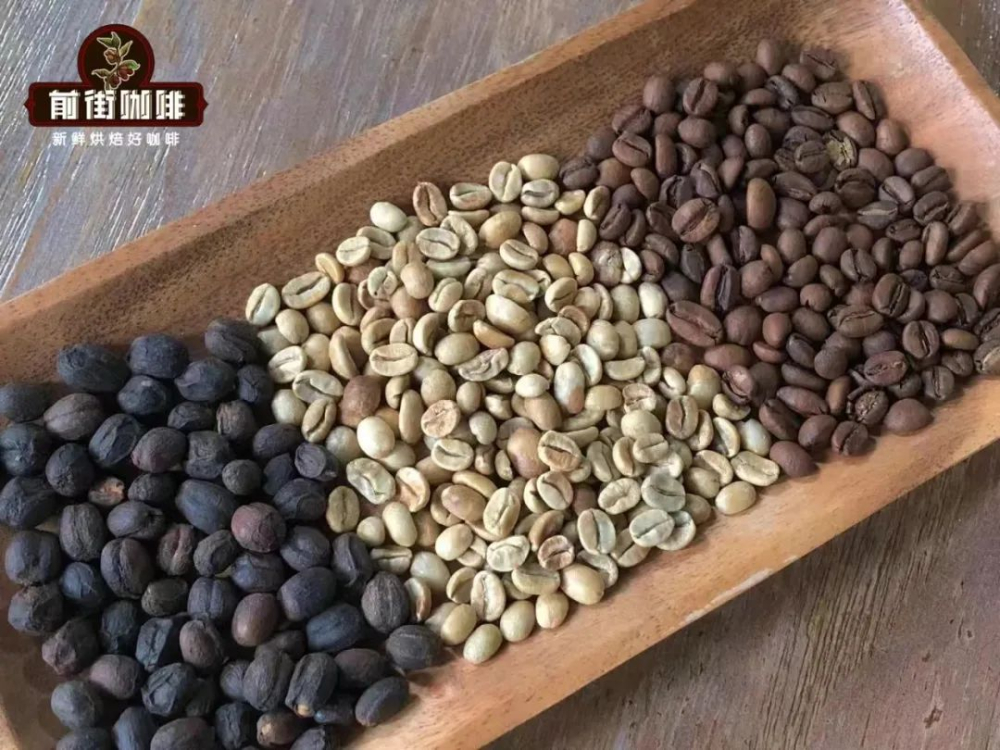
Traditional natural processing usually involves laying harvested coffee cherries flat on the ground or rooftops to dry until the moisture evaporates and the pulp dehydrates into a raisin-like hardness. The outer hard shell is then mechanically removed to extract the inner seed. This method is especially common in many parts of Africa such as Ethiopia, Kenya, and Rwanda, where there is typically abundant sunshine. However, this approach carries significant risks: if the coffee cherries come into direct contact with muddy ground, they can easily absorb earthy and off flavors; uneven heating may also lead to partial over-fermentation, severely affecting the final flavor and quality of the coffee.
 In comparison, the emergence of the washed processing method significantly improved these issues. This method first matured in the 19th century in Latin America, particularly in water-rich countries such as Colombia and Guatemala. Producers, in pursuit of higher quality and more stable coffee, gradually replaced traditional natural processing with the washed method. To this day, the washed processing method remains an important technique in global specialty coffee production, especially favored in regions that prioritize bright acidity and clean flavors.
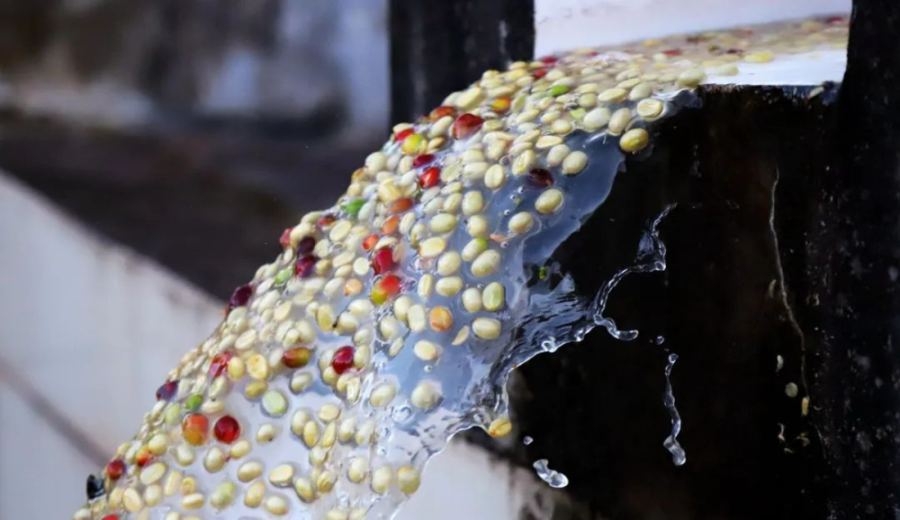
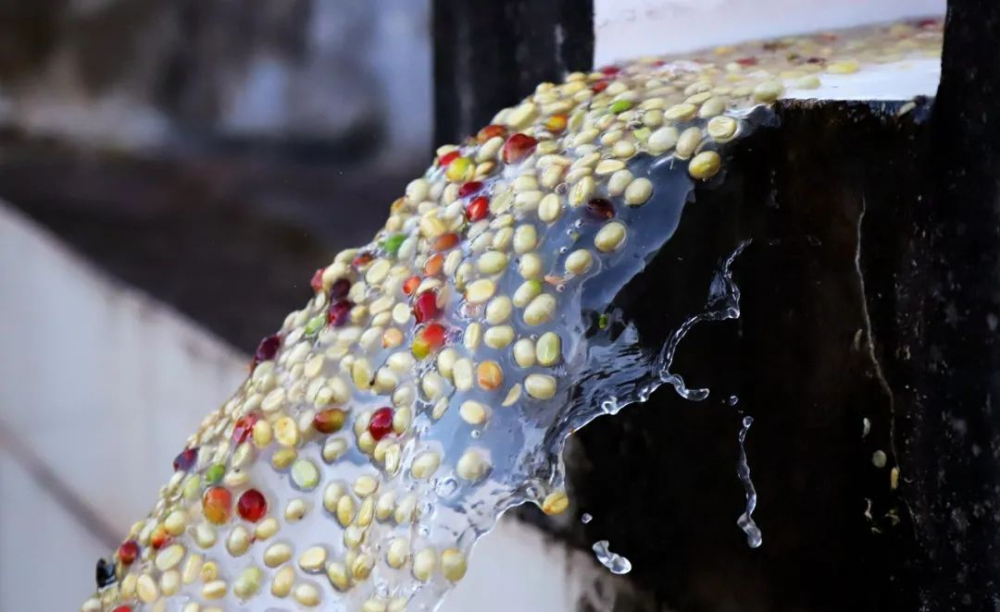
The specific process of washed processing can generally be divided into the following key steps: First isFlotation, where freshly harvested coffee cherries are placed in water. Using the principle of buoyancy, unripe or overripe cherries, which have lower density, float to the surface and are easily screened out. Next, apulperis used to remove the outer skin and pulp, leaving the coffee beans coated with a sticky layer of mucilage. These mucilage-covered beans are then transferred to afermentation tankand left to rest for approximately 12 to 36 hours (depending on temperature and humidity), allowing natural enzymes to break down the mucilage. This stage releases acidic compounds that help enhance the complexity of the subsequent flavors.
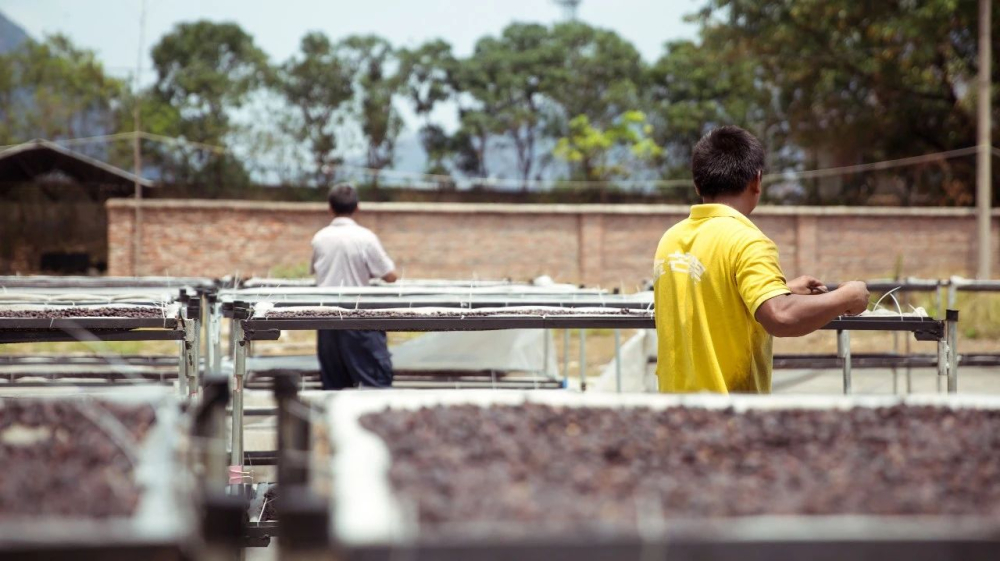
After fermentation, a small amount of mucilage may still remain on the bean surface, soscrubbingis performed either manually or mechanically. This step typically takes 30 to 60 minutes and involves a continuous flow of water to ensure complete removal of the sticky residue. Then, the beans undergo density sorting using flowing water and specially designed channels, where lower-density defective beans float or are washed away, leaving only higher-quality parchment beans. Finally, the clean beans are evenly spread on raised beds, drying racks, or African beds fordrying, with a target moisture content of generally 11% to 12%. The drying period lasts about 10 to 20 days, depending on weather conditions. Once dried, the beans can be hulled, packaged, and stored.
The advantage of the washed processing method lies in its high stability and clarity of flavor. Since the coffee beans are not wrapped in pulp during the drying stage, the resulting flavors often exhibit bright acidity, good cleanliness, and clearly express the unique terroir characteristics of the origin, also known as "regional taste." If you want to deeply explore the essential flavors of a particular coffee-growing region, starting with its washed batches is an excellent choice.
 Take the Banko Gotiti Cooperative in Ethiopia’s Yirgacheffe region as an example. This cooperative was originally part of the Worka Cooperative in the Yirgacheffe area but gained recognition for its outstanding washed processing techniques and became an independently operated well-known production unit in 2012. Since the introduction of washed processing technology in the Yirgacheffe region in 1972, there has been a continuous effort to enhance coffee quality through refined processing. The members of the Banko Gotiti Cooperative meticulously sort each batch of coffee cherries and follow a unified process of fermentation, washing, and drying on raised beds to ensure the final coffee has high consistency and excellent quality.
Washed processing has helped Yirgacheffe coffee overcome its previous issues with inconsistent quality. Especially when medium to light roasted, it can fully showcase its signature bright citrus notes, elegant white floral aromas, as well as delicate sweetness and layered acidity, delivering an overall bright and vibrant profile. For this reason, Yirgacheffe has not only distinguished itself from the Sidamo region but also become a classic origin representative beloved by specialty coffee enthusiasts worldwide.
The above content is compiled by CoffeeHunters, a coffee news website.


