







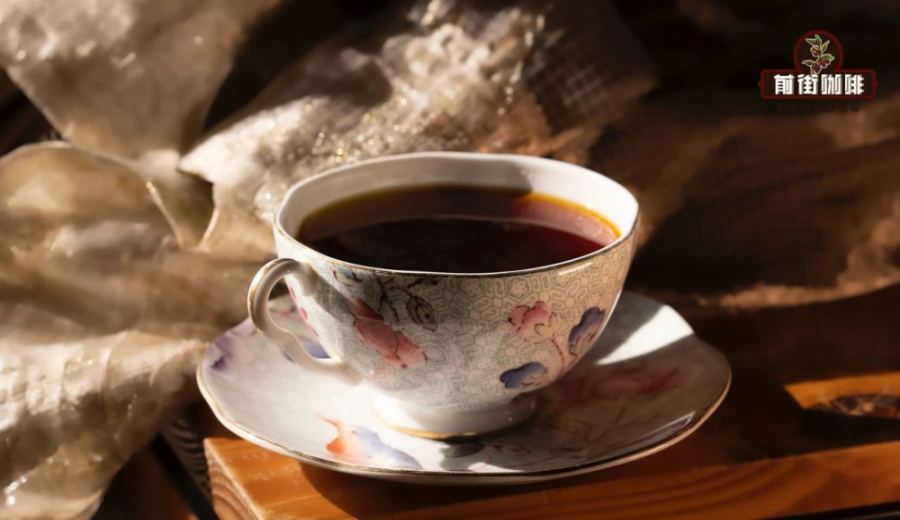
Introduction:Light roasted coffee is known for its bright acidity and delicate aromas, making it the top choice for many coffee enthusiasts just starting out. This article delves into the roasting stages of light roast beans, their flavor characteristics, and how they compare to dark roasts. It also recommends five classic light roast beans from regions such as Ethiopia, Kenya, and Panama, and finally provides professional-grade three-stage pour over brewing advice — including coffee-to-water ratio, water temperature, grind size, and pouring rhythm — to help you master the key points of extraction.
The degree of coffee bean roasting has a decisive impact on the final flavor. Light roasting is generally done in the middle to late stage of the first crack. At this stage, the core of the bean still retains abundant organic acids and original flavors, resulting in a lively acidity and soft aroma. Compared to dark roasting, which emphasizes caramelization and rich bitterness, light roast beans highlight bright citrus and berry notes, making them ideal for those who prefer a refreshing taste.
Observing the roasting curve, green beans first go through the drying and yellowing stages, then enter the first crack. At this point, the bean releases a large amount of heat and begins to expand. The exit point for light roasting falls in the middle to end of the first burst of cracking sounds. At this time, the core temperature of the beans reaches about 190–200 degrees Celsius. The organic acids have not yet been fully broken down by high temperatures, so after brewing, they can present distinct layers of fruity acidity and floral notes.
For beginners, when selecting light roast beans, it is recommended to prioritize options with clear fruit characteristics — for example, beans with citrus, berry, or honey notes. These types of beans are not only easy to extract bright acidity from, but also showcase the unique layering that light roasting offers. The following five classic light roast beans come from different regions and each has its own unique flavor profile:
First recommended is "Gu Ding Ding" from Yirgacheffe, Ethiopia — a washed coffee grown at an altitude of 2,300 meters using the native variety, showcasing bright, sweet acidity with citrus, blueberry, and honey notes, and a green-tea-like freshness in the aftertaste. Kenya’s "Little Tomato" uses the SL28 and SL34 varieties, processed via the K72 washed method, presenting a complex sweet and sour profile of cherry tomatoes, black plums, and brown sugar. The growing environment at altitudes of 1,550–1,750 meters gives it vibrant fruit aromas.
Panama’s "Flower Butterfly" is a blend of Geisha, Caturra, and Catuai varieties. Washed processing brings out a balanced profile of white floral, orange, and nutty notes. The Boquete region at 1,600 meters altitude imparts a comfortable tea-like mouthfeel. Also from Ethiopia, "Huakui" uses the native variety from the Guji Hambela region. Sun-dried processing highlights intense fruity notes of cream strawberry and citrus, with a long-lasting berry and black tea aftertaste. Lastly, Panama Boquete’s "Emerald Red Label Geisha" uses sun-drying to make mango, guava, and rose flavors more expressive, paired with bright acidity from citrus and berries — perfect for those seeking explosive fruit aroma.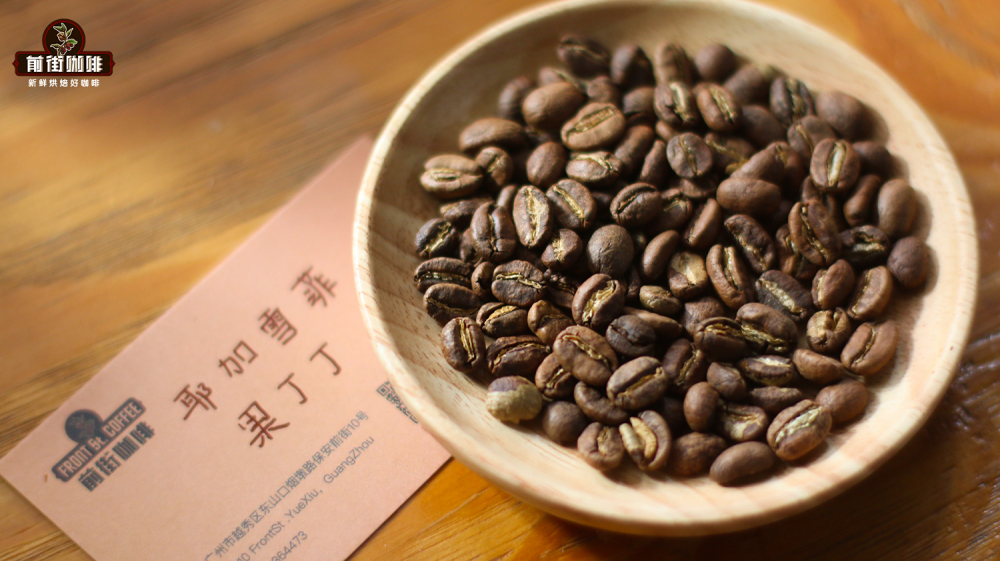
Brewing light roasted coffee via pour over requires precise control of parameters to balance acidity and aroma. It is recommended to use a three-stage pouring method, based on a 1:15 coffee-to-water ratio with 15 grams of coffee grounds and a total of 150 milliliters of water. The water is poured in three increments: 30, 95, and 100 milliliters, totaling 225 milliliters. This method helps evenly extract flavor compounds and avoids over-extraction in any single stage, which could lead to bitterness.
In practice, the first stage involves a small stream of water poured centrally to add 30 grams for a 30-second bloom, ensuring all coffee grounds absorb water evenly and begin releasing aroma. Next, increase the water flow and steadily pour 95 grams, aiming for a vertical and even water stream. This stage is usually completed around the 55-second mark, mainly helping to expand the coffee bed and improve extraction efficiency. The final stage involves pouring 100 grams using a thin stream in small circles. Begin pouring when the liquid level drops to half, and be careful to control the water stream to avoid disrupting the coffee bed structure. The overall extraction time should be kept around two minutes.
In terms of equipment, the V60 dripper’s spiral ridges effectively promote air circulation, aiding the volatilization and dissolution of acidic aromatic compounds. The recommended grind size is medium-fine — roughly equivalent to 78% passing through a Chinese standard No. 20 sieve, with a texture similar to fine sugar. Too coarse a grind may result in under-extraction and weak flavors; too fine a grind may cause over-extraction due to high water temperature, producing unpleasant bitterness.
The coffee-to-water ratio can be slightly adjusted according to personal preference. A 1:15 ratio suits those who prefer a stronger flavor, while 1:16 can highlight more delicate floral and sweet notes. Water temperature is advised to be maintained at 92–93 degrees Celsius, suitable for harder-light roasted beans, which helps fully activate their fruity and floral profiles. Be sure to fully wet and attach the filter paper to the dripper before use to avoid paper odors affecting the coffee’s purity. By following these parameters and steps, even beginners can consistently brew light roast coffee with refined flavors.
The above content is compiled by CoffeeHunters, a coffee news website.


