







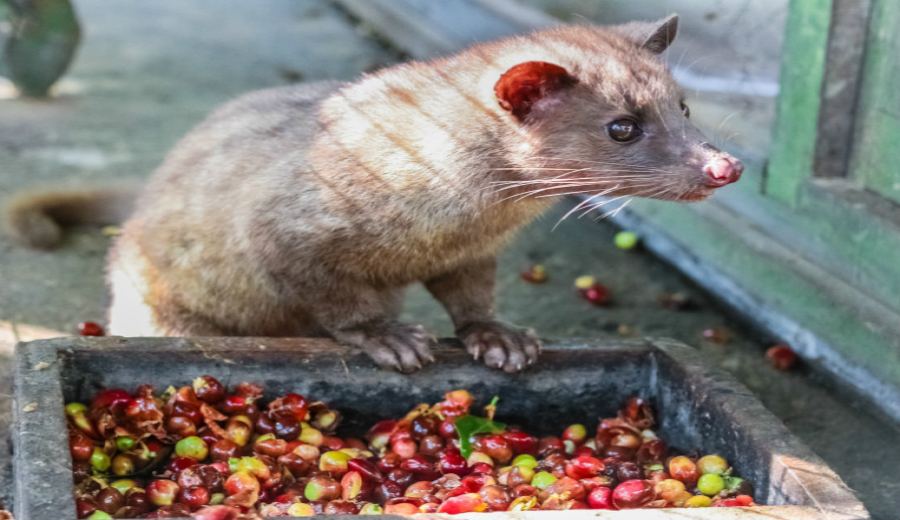
Introduction:Do you know how authentic Indonesian civet coffee is actually produced? This so-called "poop coffee," known as Kopi Luwak, gained fame for the unique fermentation flavors brought about by the civet's digestive process—but its rarity has also made it a hotspot for counterfeits. This article delves into the true origins and flavor characteristics of civet coffee, uncovers the truth behind Vietnamese market imitations, and provides expert brewing parameters and recommendations to help you distinguish genuine from fake and master the best way to enjoy it.
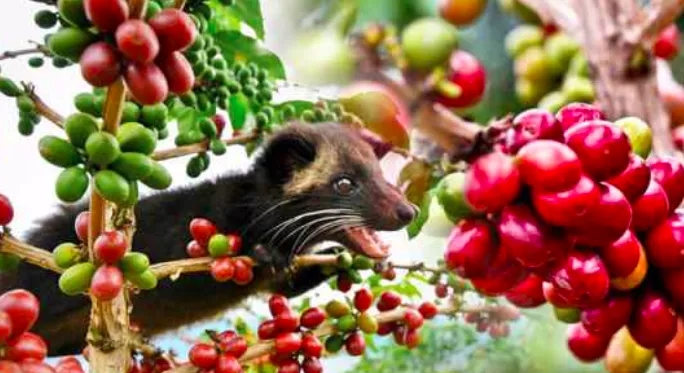
Civet coffee, scientifically named Kopi Luwak, is one of the most controversial and mysterious coffee varieties in the world. This rare coffee from Indonesia gets its name because it is produced after civets consume coffee cherries, which then undergo natural fermentation in their intestines and are excreted along with the beans. This unique processing method gives the beans a rich, rounded mouthfeel, along with complex aromas of herbs, nuts, and slight fermentation—making it a prized brew among coffee enthusiasts.
As the world’s largest archipelagic nation, Indonesia comprises over 17,000 islands scattered across the equatorial volcanic belt, offering extremely suitable geographic and climatic conditions for coffee cultivation. The island of Sumatra, home to the Barisan Mountains and numerous volcanic lakes, features fertile volcanic soil and a tropical rainforest climate, providing an ideal environment for growing Arabica coffee. The coffee produced here shares with civet coffee a strong foundation of herbal and nutty notes, but civet coffee gains an additional layer of irreproducible fermented aroma due to its special fermentation process.
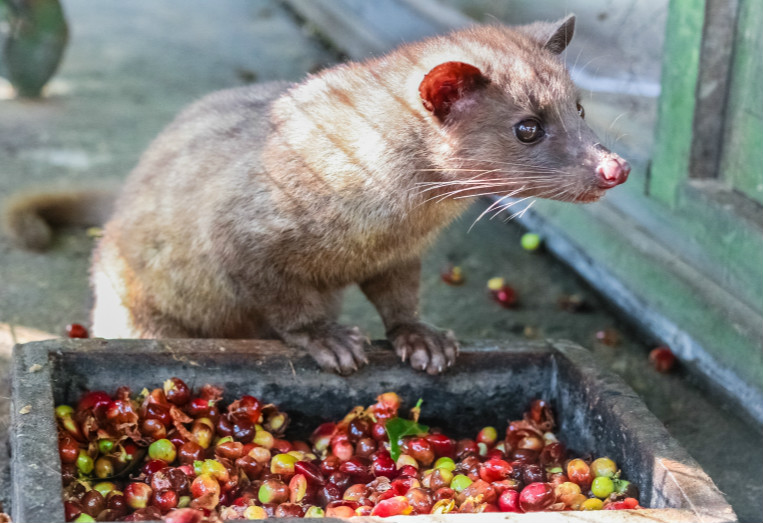
The so-called civet coffee uses beans from a wild omnivorous animal called the civet (Luwak). These animals prefer to eat ripe, sugar-rich red coffee cherries but cannot digest the hard coffee beans inside. As the beans pass through the civet’s digestive tract, the protein structure on the bean’s surface is broken down by digestive enzymes, making the surface smoother and significantly reducing acidity and bitterness. More importantly, the civet’s digestive system secretes specific enzymes that break down large protein molecules and release free amino acids, which in turn promote the Maillard reaction during subsequent roasting, forming unique aromatic compounds.
The coffee beans excreted by civets often come into contact with musk oil around their reproductive organs—a factor beyond control that adds a distinctive aromatic layer to the coffee. Additionally, because civets only select the sweetest, highest-sugar coffee cherries to eat, they indirectly filter out higher-quality beans, which is another key reason for the unique flavor profile of Kopi Luwak.
However, the market is flooded with Vietnamese coffee products claiming a "cat poop flavor." Most of these are cheap instant coffees that use flavoring techniques to mimic the aroma of civet coffee but are in fact completely unrelated to genuine Kopi Luwak. Although Vietnam is the world’s second-largest coffee exporter, its production mainly consists of Robusta beans, typically used in instant coffee or espresso blends, and its flavor profile is vastly different from that of civet coffee. True civet coffee, due to its extremely limited production and high cost, is not sold at low prices.
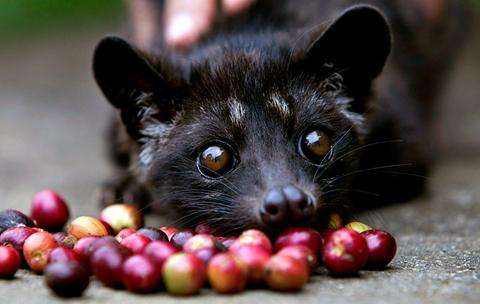
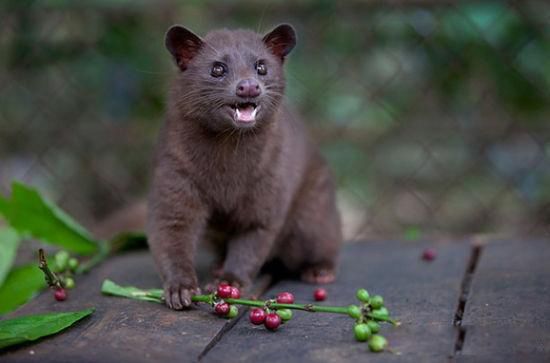
It is worth noting that the original flavor characteristics of civet coffee include a distinct herbal tone, nutty aroma, black chocolate finish, and a unique fermented note. Some drinkers can even detect a cool, mint-like aftertaste, a rare trait in other coffee varieties. However, in recent years, due to the sharp decline in wild civet populations, many merchants have turned to farming civets in captivity, confining them in small spaces and force-feeding them large quantities of coffee cherries. This not only affects coffee quality but also raises serious ethical concerns regarding animal welfare.
In terms of brewing, professionals recommend using medium-to-dark roasted civet coffee beans to fully showcase their herbal and nutty aromas while balancing the fermented flavors. It is recommended to use a KONO filter for pour over brewing, as its design extends the contact time between coffee grounds and water, effectively extracting more soluble substances and enhancing body. Suggested parameters are as follows: 15 grams of coffee, a 1:15 coffee-to-water ratio, water temperature around 88°C, and grind size medium-fine (75% passing through a Chinese standard No. 20 sieve). During brewing, it is advised to pour with a coarse stream in slow circular motions to avoid over-extraction and bitterness.
Furthermore, since civet coffee beans are usually medium-to-dark roasted, they experience higher weight loss, making the coffee grounds less likely to sink during brewing. It is recommended to ensure even water distribution to avoid channeling effects that could impact extraction consistency. A resting period (degassing) of 4 to 7 days is advised to allow excess CO₂ to dissipate and the coffee to reach peak flavor. Special note: if purchasing pre-ground coffee, it is best to brew it immediately to prevent rapid aroma loss due to prolonged air exposure. The optimal tasting experience is still achieved with whole beans ground just before brewing.
In summary, authentic Indonesian civet coffee, with its unique processing method and irreproducible flavor profile, stands as a premium offering in the coffee world. However, consumers should be cautious in identifying commercial products to avoid buying mere Vietnamese imitations that merely mimic the aroma. If given the chance to taste the genuine product, it is recommended to master the correct brewing techniques to fully experience the layered notes of herbs, nuts, black chocolate, and fermentation. The world of coffee is vast—exploring the unique flavors of different regions and varieties can also bring rich sensory enjoyment.
The above content is compiled by CoffeeHunters, a coffee news website.


