







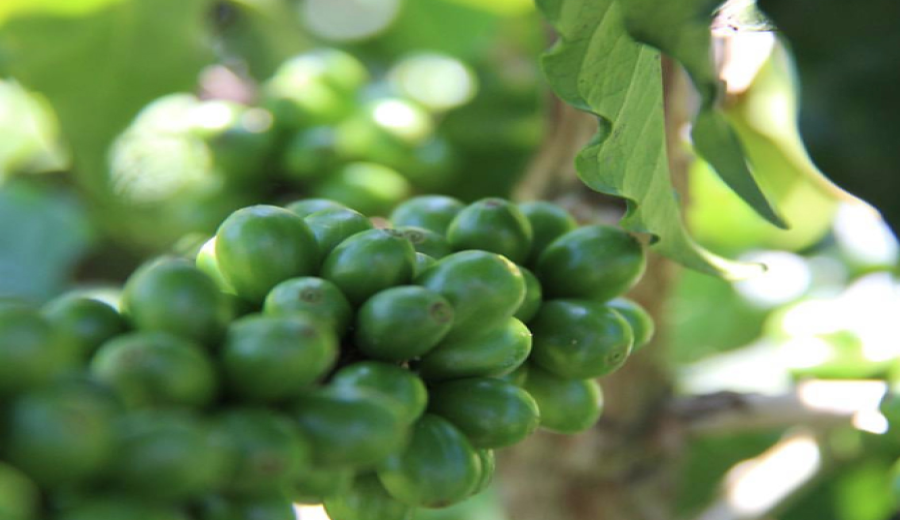
Introduction:Typica is a classic representative among Arabica coffee varieties and the "ancestor" of many modern coffee cultivars. Understanding the origins, botanical characteristics, and global dissemination of Typica not only provides deeper insight into the evolution of coffee cultivation but also allows one to appreciate the unique flavors of different producing regions. This article delves into the plant traits, spread routes, flavor differences in major producing regions, and offers practical pour over brewing parameters for the Typica variety—helping coffee enthusiasts grasp the charm of this classic cultivar.
Among the many Arabica coffee varieties, Typica is regarded as the most representative ancient lineage and is considered the foundational base of many modern Arabica cultivars. It is no exaggeration to say that all Arabica cultivars are more or less related to Typica, though the reverse is not true—Arabica does not necessarily equate to Typica. If Arabica were likened to a large family, then Typica would be one of its oldest members.
From a botanical classification perspective, the main coffee species globally include Arabica, Robusta, and Liberica. Among these, Arabica is not only the earliest discovered and utilized coffee variety by humans, but it still accounts for 70–80% of global commercial coffee production. Arabica coffee is widely loved for its delicate flavors, bright acidity, pronounced sweetness, and mild bitterness, though it is relatively challenged by lower yields. Typica is one of the most classic and historically significant representatives within this category, with origins traceable to the highland regions of southwestern Ethiopia—the birthplace of coffee.
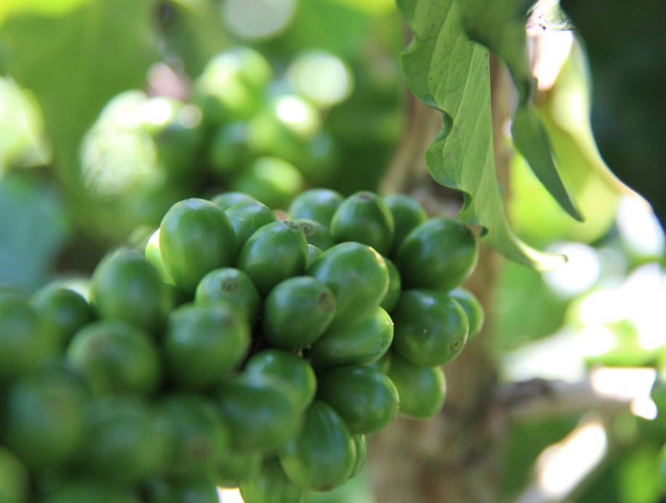
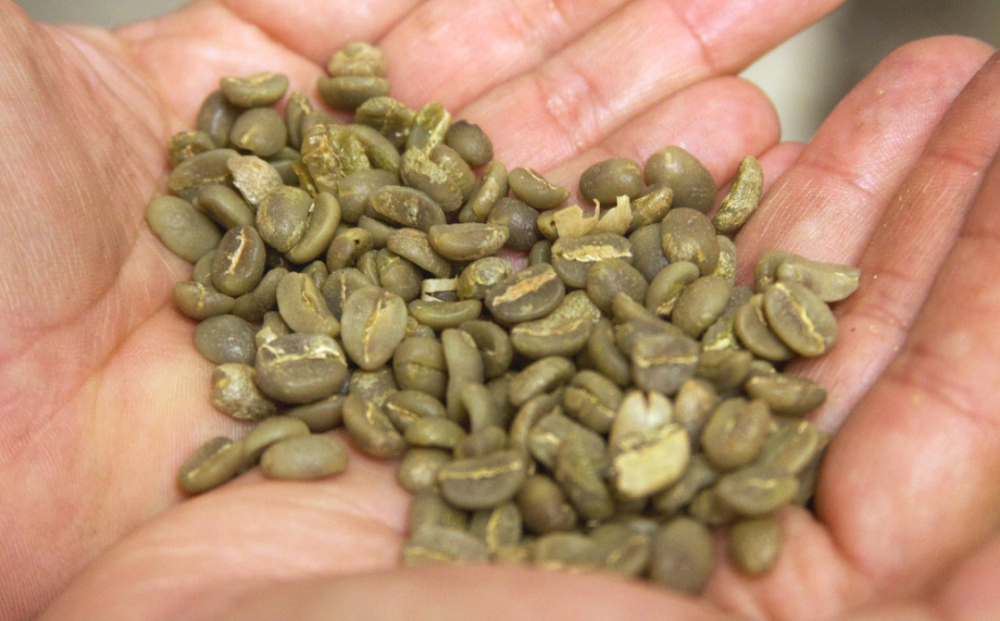
Typica coffee trees possess highly distinctive characteristics: their newly emerged top bud leaves exhibit a reddish-copper sheen, hence the nickname “red-tipped coffee.” This variety has a relatively slender tree structure, with long and naturally drooping branches. The angle between lateral branches and the main stem is typically between 50 to 70 degrees, and mature plants can reach heights of around 5 meters—posing a significant challenge for harvesting. Additionally, Typica coffee beans have a very distinctive appearance: the beans are relatively large, elongated in shape, and pointed at both ends, resembling an egg, making them very easy to identify.
In terms of flavor profile, Typica is renowned for its clean, bright citrus acidity and sweet aftertaste, with many coffee enthusiasts describing it as the epitome of being “clean and elegant.” Representative producing regions such as Jamaica’s Blue Mountain area are world-famous for their Typica varieties, and the Blue Mountain No. 1 coffee beans produced there are considered the pinnacle of the classics. However, Typica also has clear drawbacks—it is extremely susceptible to common diseases such as leaf rust and berry disease, and its disease resistance is arguably the weakest among all major cultivated varieties. Once infected, the plants often wither or even die rapidly. Coupled with its low yield per unit, which limits economic returns, many producers have gradually shifted to planting more disease-resistant and higher-yielding varieties, such as the Catimor hybrid.
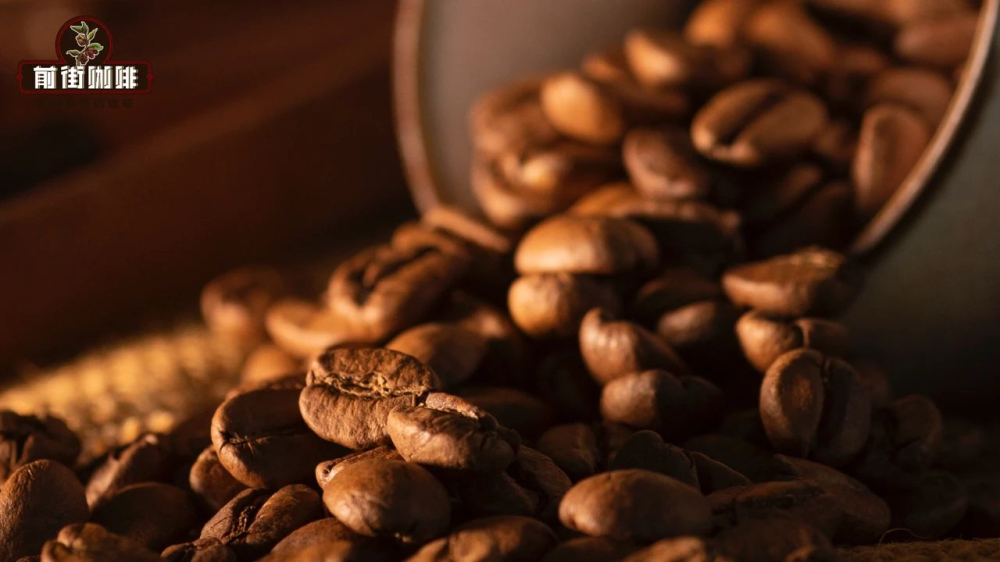
Looking back at the global dissemination history of Typica, it dates back to the 15th to 16th centuries. At that time, a group of wild coffee trees collected from southern Ethiopia were introduced to Yemen. Subsequently, around the year 1700, seeds of these coffee trees were brought to the Malabar Coast of India and the western Java region of Indonesia, where they were officially named Typica. Then, in 1722, these seeds were introduced to the Dutch colony of Suriname in South America, and in 1727, they made their way to Brazil. By the late 1800s, Typica had gradually taken root in places such as Jamaica, Central America, and South America, and further spread back to Africa and Asia.
Due to the vastly different climates and soil environments of each new planting region, Typica has also evolved slightly different adaptive traits in various locations. This means that even within Typica, the coffee produced in different regions can exhibit flavor variations. However, overall, Typica still maintains an irreplaceable position among numerous Arabica varieties due to its pure, clear, and layered taste characteristics.
Currently, Typica is mainly distributed in island-type climate regions such as Jamaica, Papua New Guinea, Hawaii Kona, as well as parts of Yunnan in China and its place of origin, Ethiopia. Among these, Papua New Guinea’s Heaven Bird and Jamaica’s Blue Mountain No. 1 are considered classic representatives of the Typica flavor. In addition, a certain coffee brand’s own plantation of small-bean Typica cultivated at an altitude of about 1,300 meters in Lincang, Yunnan, also showcases the rare clean flavor and high-altitude potential of this variety.
Among them, Jamaica Blue Mountain No. 1 coffee beans, when roasted to a medium-dark level, can exhibit rich dark chocolate aromas paired with light citrus acidity and moderate caramel sweetness. The balance of acidity, sweetness, and bitterness along with a solid mouthfeel makes it one of the best interpretations of the Typica style. Papua New Guinea’s Heaven Bird, often referred to as the “Little Blue Mountain,” may be slightly less full-bodied than Blue Mountain, but its overall flavor is equally balanced and comfortable—suitable for consumers who prefer a milder taste.
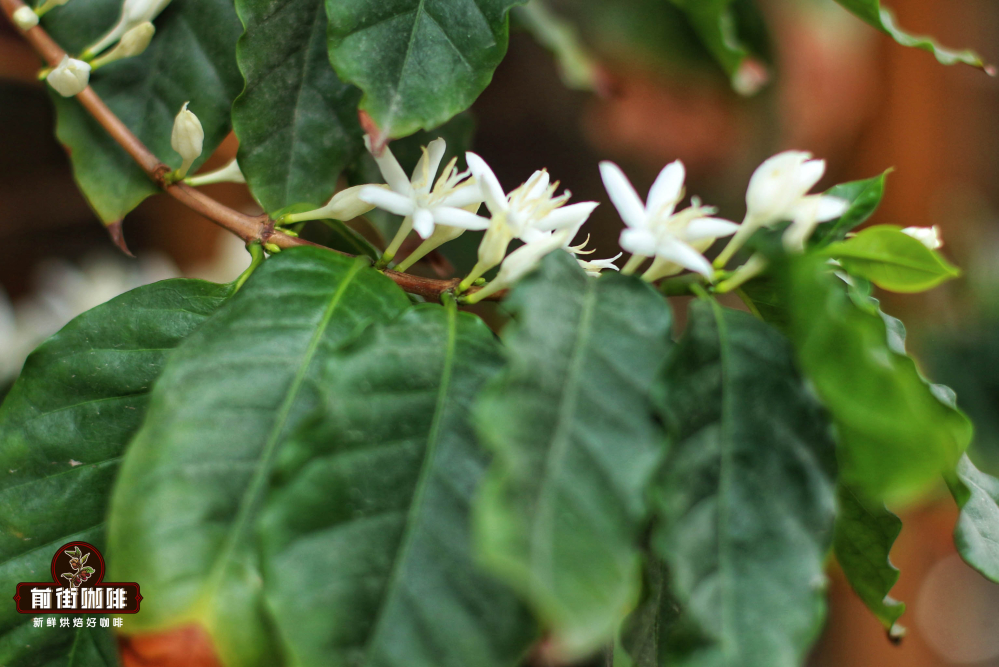
As for the Typica produced in the Yunnan region, although it faces similar challenges in terms of growing environment and varietal disease resistance, under the conditions of an altitude of 1,300 meters, the small-bean Typica planted by a certain coffee brand still demonstrates a cleaner profile than typical Catimor. In terms of roasting strategy, a medium roast level is recommended to balance aroma and acidity. Pour over is one of the best methods to showcase the flavor characteristics of Yunnan Typica. With appropriate parameter control, it can fully express its balanced taste and delicate layers of aroma.
For the pour over extraction of Yunnan Typica, it is recommended to use a Hario V60 dripper with a medium-fine grind size passing 75% through a #20 sieve, using about 15 grams of coffee. Water temperature should be controlled at 90°C, with a water-to-coffee ratio of 1:15. Specifically, a three-stage pouring method can be employed: first, pour double the coffee’s weight in water for a bloom for about 30 seconds to allow the coffee grounds to fully expand; then pour with a small stream in circular motions from the inside out until reaching 125 grams for the first pour; once the coffee bed has settled to the middle of the dripper, continue pouring to 225 grams to complete the extraction, with the total brew time being around 2 minutes. Such parameter settings can effectively balance acidity and sweetness, avoiding over-extraction or overly thin flavors.
In summary, Typica, as a classic elder of the Arabica family, is rich in storytelling and agricultural value through its plant traits, historical dissemination, and flavor expressions around the globe. Whether you are a coffee enthusiast pursuing classic flavors or an industry professional interested in the evolution of coffee varieties, gaining a deeper understanding of Typica can offer inspiration and an elevated tasting experience.
The above content is compiled by CoffeeHunters, a coffee news website.


