







Introduction:As a classic espresso-making tool, the Moka pot stands out with its simple structure and ease of use, making it a top choice for many home and outdoor coffee enthusiasts. However, to brew a balanced and aromatic cup of coffee with it, in addition to following the correct operation steps, one must also understand its heating principles, water temperature characteristics, and the grind size that suits it best. This article delves into the advantages and limitations of the Moka pot, and provides practical recommendations on coffee grind size to help you more steadily control extraction quality.
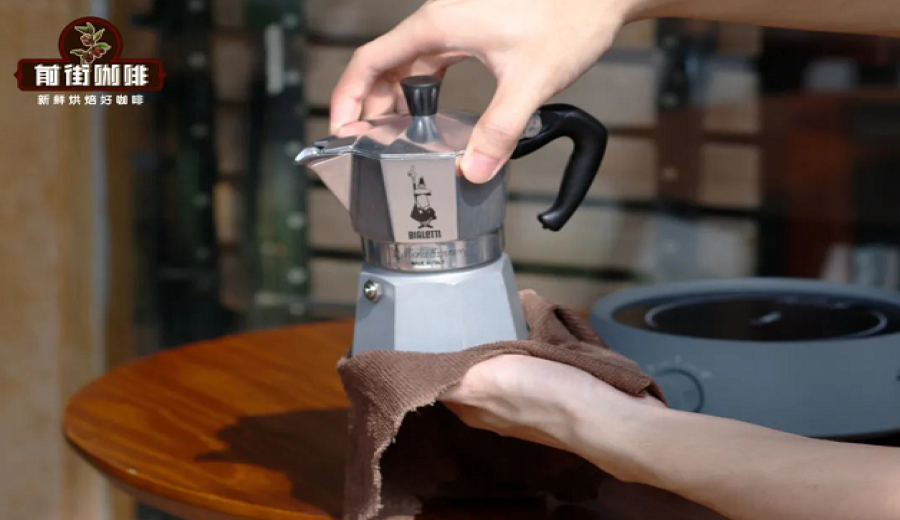
The Moka pot is a widely loved coffee brewing device, renowned for its compact size and intuitive operation. Whether at home or during outdoor camping, it can quickly brew coffee with rich flavor. This tool mainly consists of three parts: the lower chamber holds the water, the middle funnel holds the coffee grounds, and the upper chamber collects the final brewed coffee.
Its basic operating principle is quite straightforward: when the lower chamber is heated, the water inside generates steam pressure due to the heat. As the pressure gradually increases to overcome resistance, the hot water is pushed through the layer of coffee grounds in the middle, eventually flowing into the upper chamber. This method of extraction using pressure shares some similarities with the siphon coffee maker, but the Moka pot typically operates at a lower pressure, resulting in a milder form of pressure extraction.
Although the Moka pot is very convenient to use, this brewing method also has some notable limitations. First, since the water is often close to boiling point during the heating process, the actual brewing temperature tends to be high, which can easily lead to the over-release of bitter and astringent substances in the coffee—commonly referred to as "over-extraction"—thus affecting the balance of flavors.
In addition, it is relatively difficult to precisely control various parameters when using the Moka pot, including the coffee-to-water ratio, total brewing time, and water temperature, all of which are hard to fine-tune accurately. This means that the same coffee beans may produce significantly different flavor profiles under varying brewing conditions. Therefore, if you want to brew coffee with the Moka pot that is closer to the standard of professional cafés, you need to gain a deeper understanding of its operational characteristics and make adjustments to key variables.
Among these, the grind fineness of the coffee grounds is one of the most crucial factors. Because the Moka pot relies on pressure to push hot water through the coffee grounds, it is recommended to use a finer grind than what is used for pour over coffee, though not too fine—otherwise, it may lead to channeling or excessive blockage, causing uneven extraction or over-extraction. Generally speaking, the ideal grind size for the Moka pot falls between that of fine sugar and espresso grind, with slight adjustments possible based on the speed at which the coffee flows out.
If you notice that the coffee extracts too quickly (for example, finishing dripping in less than 20 seconds), it usually means the grind is too coarse—the water passes through the coffee too fast, resulting in insufficient extraction of flavor compounds. Conversely, if the brewing time is too long (exceeding 30 seconds or more) or there is noticeable resistance, it may indicate the grind is too fine, and you should adjust it coarser to avoid over-extraction and excessive pressure.
Additionally, how the coffee grounds are tamped also plays an important role in extraction. It is recommended to evenly spread the coffee grounds and then gently tamp them, but without applying too much force—otherwise, it may also impede the flow of water. Proper tamping helps maintain a stable flow rate, allowing the hot water to evenly penetrate the coffee grounds, thereby improving the overall stability of extraction and flavor expression.
In summary, the Moka pot is a tool that combines convenience with the potential for rich, bold flavors. By mastering the grind fineness, amount of coffee, and degree of tamping, you can effectively address common issues like over-extraction and flavor imbalance. Whether you’re a beginner just getting into coffee or a user seeking a more stable home brewing solution, understanding these fundamental principles and practical tips will allow you to get even more value out of your Moka pot.
The above content is compiled by CoffeeHunters, a coffee news website.


