







Introduction:Want to know how to choose Fengqing Dianhong without making a wrong pick? This article delves into the differences between Fengqing large-leaf varietal and other Yunnan-grown tea trees, covering aspects from tea garden management and altitude influence to tea processing techniques, to help you master the key elements of high-quality Dianhong. Whether you’re a beginner or a seasoned tea enthusiast, you’ll find practical tips for identifying good tea and purchasing advice.
As an important production area for Yunnan black tea, Fengqing County has long been a major supplier of Dianhong, thanks to its exceptional natural conditions and well-established tea garden management system. However, beyond Fengqing, other tea-growing regions in Yunnan—such as Yongde and Zhenkang—are also gaining attention. These areas preserve many naturally grown arbor-style old tea trees. Although their tea processing techniques vary, the raw material potential is outstanding.
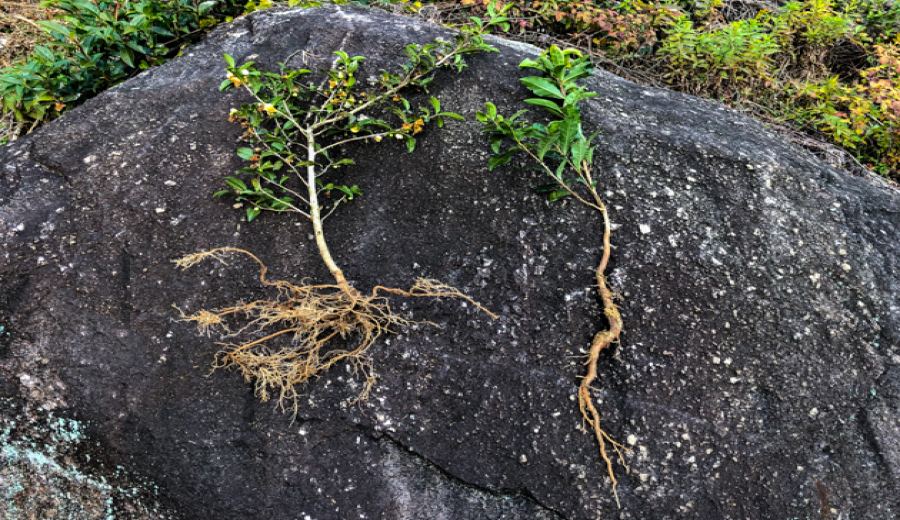
In Fengqing, the dominant tea tree variety is the “Fengqing large-leaf varietal,” which is naturally suited for black tea production. Most tea gardens adopt conventional cultivation methods similar to those in Japan and Taiwan—namely, intensive planting that facilitates large-scale production. However, while this method can maintain stable yields, it often sacrifices depth of flavor and the persistence of aroma, resulting in some teas having a somewhat thin aftertaste.
Despite this, Fengqing still maintains a fairly high standard in black tea processing techniques, particularly in focusing on harvesting premium materials capable of forming golden buds. As a result, some finished teas may have a relatively simple aroma profile but still demonstrate stable and high-level performance. Accordingly, market prices vary significantly by grade, with certain high-grade Dianhong even commanding quite a high price.
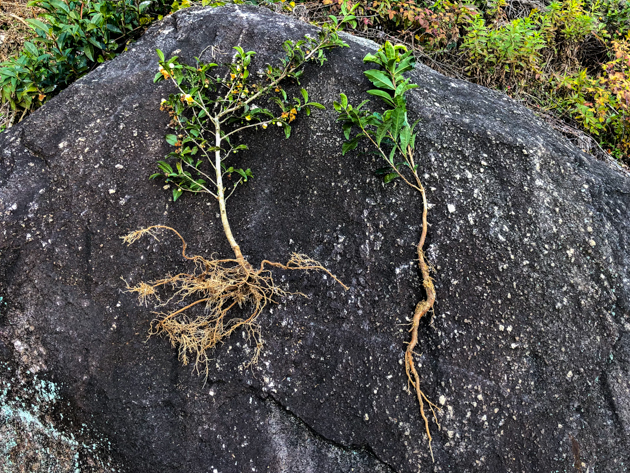
As for Yunnan black tea producing areas outside of Fengqing, most use traditional seed-sown methods—known as “seedling tea”—with tea garden management leaning toward arbor-type cultivation. That means planting tea trees one by one, more like an orchard, rather than dense planting. Under this model, the old tea trees—especially those grown at high altitudes and in pesticide-free environments—are rich in minerals. Their leaves not only offer intense aromas but also boast deep aftertastes and strong throat sensations.
However, although these remote areas possess exceptional raw material potential, they also face the common issue of generally insufficient tea processing skills. Common problems include improper control of fixation temperature, which may lead to scorched flavors or over-fermentation, ultimately affecting the final flavor profile.
In short, if you’re pursuing ultimate and rare raw materials, then tea-growing areas outside of Fengqing—especially the old-tree Dianhong from high-altitude mountainous regions—are a better choice. But if you value processing stability and consistent quality more, then Dianhong produced in Fengqing remains the more reliable option. In addition, because Fengqing black tea is widely circulated, it’s relatively easy to purchase, making it the top choice for many consumers.
The ideal Dianhong should strike a balance between raw material quality and tea processing techniques. Many high-end Dianhongs do not come from Fengqing itself but are sourced from mountainous areas in Yongde County and Zhenkang County at altitudes above 2,000 meters. These regions host a large number of naturally grown old tea trees, including some over a hundred years old, and the cultivation process completely avoids the use of pesticides and chemical fertilizers, creating a highly promising raw material base.
Of course, the processing skills of tea masters in these remote mountainous areas vary. Although most have not received professional training, there are still some highly skilled tea makers who can fully leverage the advantages of the raw materials to produce high-quality Dianhong with rich flavor layers and profound throat sensations. If you wish to select truly high-quality Fengqing Dianhong, it is recommended to pay attention not only to the producing area and altitude but also to carefully observe the appearance, aroma, and liquor performance of the tea leaves—to avoid paying a high price for a product with subpar craftsmanship.
The above content is compiled by CoffeeHunters, a coffee news website.


